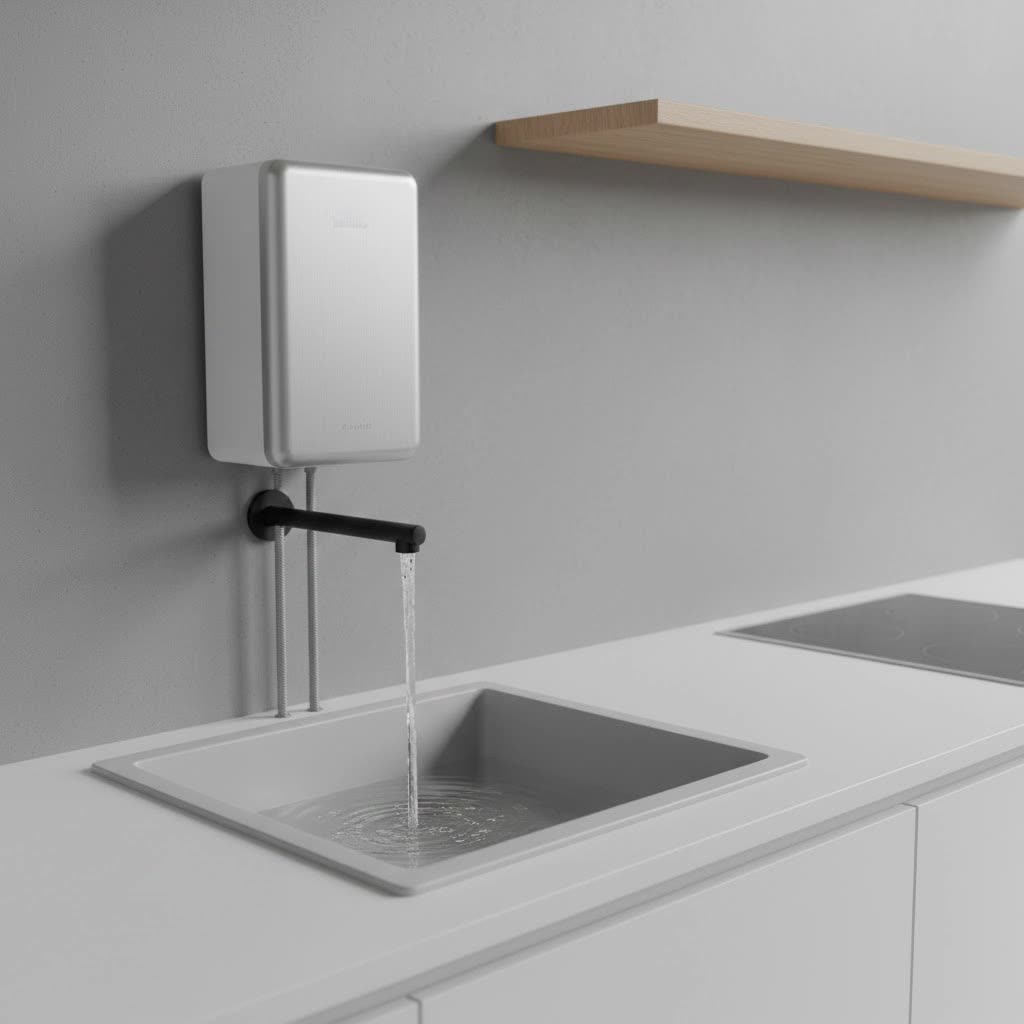
Ensuring your family has access to clean, safe drinking water is more crucial than ever. With increasing concerns about tap water quality, from chlorine and sediment to lead and emerging contaminants like PFAS, investing in a reliable water purification system has become a household necessity. This comprehensive guide, informed by over a decade of expertise in water filtration, will walk you through the various types of water purifiers available today, compare their benefits and drawbacks, and highlight the top 10 systems for 2026 to help you make an informed decision for your home.
Common Types of Water Purifiers
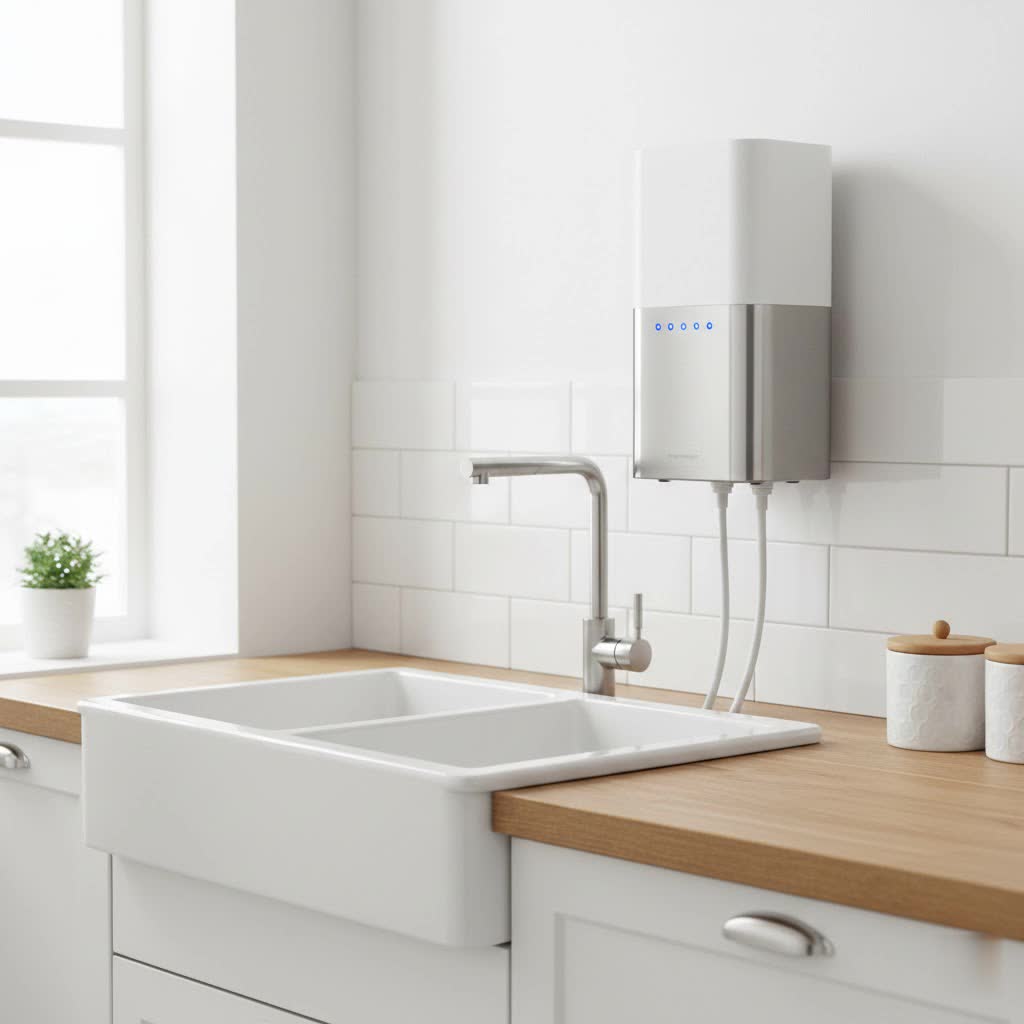
Table is empty.The market offers a diverse range of water purification technologies, each designed to address specific water quality issues. Understanding these types is the first step toward choosing the right system for your needs.
Reverse Osmosis (RO) Systems
Reverse Osmosis is perhaps the most comprehensive filtration method, pushing water through a semi-permeable membrane to remove dissolved solids, heavy metals (like lead and arsenic), chemicals (including fluoride and chlorine), and even microscopic contaminants such as bacteria and viruses. While highly effective, RO systems typically require a dedicated faucet, can produce some wastewater, and may remove beneficial minerals, although many modern systems now include a re-mineralization stage.
Nano-Filtration (NF) Systems
Nano-filtration is a membrane technology similar to RO but with slightly larger pores. This allows it to remove a significant range of contaminants while often retaining more beneficial minerals than an RO system. NF typically operates at lower pressure and produces less wastewater, making it an energy-efficient option.
Ultra-Filtration (UF) Systems
Ultra-filtration systems utilize a membrane with larger pores than NF, effectively removing suspended solids, bacteria, protozoa, and viruses. UF does not remove dissolved salts or minerals, preserving the natural mineral content of the water. These systems usually do not require electricity or produce wastewater, offering a simpler, more eco-friendly filtration solution for certain contaminant profiles.
Alkaline/Ionized Water Purifiers
These systems not only filter water but also adjust its pH level to make it more alkaline and often infuse it with beneficial minerals. Proponents suggest alkaline water can offer various health benefits, though scientific research in this area is ongoing. These systems typically represent a higher upfront investment and require consistent maintenance.
Activated Carbon Filters
Activated carbon is widely used across many water filter types, from pitchers to whole-house systems. It excels at removing chlorine, sediment, volatile organic compounds (VOCs), and other impurities that affect taste and odor. Carbon filters improve the aesthetic quality of water significantly but do not typically remove dissolved solids or hard water minerals unless combined with other technologies.
UV (Ultraviolet) Water Purifiers
UV purification uses ultraviolet light to sterilize water by inactivating bacteria, viruses, and other microorganisms without altering the water’s taste, odor, or chemical composition. It is highly effective against biological contaminants but does not remove sediment, chlorine, heavy metals, or dissolved solids. UV systems are often integrated as a final stage in multi-stage filtration units.
Whole-House Water Filtration Systems
Installed at the main water line entering your home, these systems filter all the water used throughout your house for drinking, bathing, and laundry. They are ideal for addressing broad water quality issues, protecting plumbing and appliances from scale and sediment, and ensuring consistent water quality from every tap.
Under-Sink Water Filters
These point-of-use systems are installed directly beneath your kitchen sink, providing filtered water specifically for drinking and cooking from a dedicated faucet. They are a popular choice for targeted high-quality drinking water without affecting water pressure in other parts of the house.
Countertop Filters and Water Filter Pitchers
Countertop filters sit on your kitchen counter and connect to your faucet or are gravity-fed, while pitchers are portable carafes with integrated filters. These are the most convenient and often the most affordable options, suitable for renters, small households, or those looking for a simple upgrade to their drinking water quality.
Detailed Comparison of Water Purifier Types
Choosing the right water purifier involves weighing the pros, cons, costs, and maintenance requirements of each technology against your specific water quality concerns and household needs.
| Filtration Technology | Key Contaminants Removed | Pros | Cons | Typical Cost | Maintenance |
|---|---|---|---|---|---|
| Reverse Osmosis (RO) | Dissolved solids (TDS), heavy metals (lead, arsenic), chlorine, fluoride, PFAS, nitrates, bacteria, viruses. | Highly effective, broad contaminant reduction, excellent water taste. | Produces wastewater, slower filtration, may remove beneficial minerals (unless remineralized), requires pressure, professional installation often recommended. | Mid-High | Regular filter changes (pre-filters, membrane, post-filters), typically every 6-24 months. |
| Nano-Filtration (NF) | Hardness minerals, bacteria, viruses, some dissolved solids, pesticides, herbicides. | Retains more beneficial minerals than RO, less wastewater than RO, often no electricity needed. | Less effective for very small dissolved solids than RO. | Mid | Filter replacement, typically every 6-12 months. |
| Ultra-Filtration (UF) | Bacteria, viruses, suspended solids, sediment, protozoa. | No electricity required, no wastewater, retains beneficial minerals, high flow rate. | Does not remove dissolved solids (salts, heavy metals, chemicals). | Low-Mid | Filter replacement, typically every 6-12 months. |
| Activated Carbon | Chlorine, sediment, VOCs, bad tastes and odors. | Improves water taste and smell, cost-effective, easy to install in various formats. | Does not remove dissolved solids, heavy metals (unless specifically certified), or hard water minerals. | Low-Mid | Filter replacement, frequency varies by type (pitchers: 2-6 months; whole-house: 6-12 months). |
| Alkaline/Ionized | (Filters +) Increases pH, adds minerals. | May offer health benefits, creates alkaline water. | High upfront cost, limited scientific backing for all health claims. | High | Regular filter changes, electrode cleaning. |
| UV Purifiers | Bacteria, viruses, cysts (Giardia, Cryptosporidium). | Highly effective against microorganisms, no chemicals added, no change to water taste/odor. | Does not remove sediment, chlorine, heavy metals, or dissolved solids; requires electricity. | Mid | UV lamp replacement annually, sleeve cleaning. |
Guide to Choosing the Right Water Purifier
Selecting the ideal water purifier for your home requires careful consideration of several factors.
1. Determine Your Needs and Water Quality
- Water Source: Is your home supplied by municipal water or a private well? Well water often requires more robust filtration for sediment, iron, sulfur, and bacteria, whereas municipal water primarily deals with chlorine, disinfection byproducts, and aging infrastructure contaminants like lead.
- Water Test: A professional or home water test is invaluable. It identifies specific contaminants in your water, guiding you toward a system designed to target those impurities.
- Household Size and Usage: A large family with high water consumption might benefit from a whole-house system or a high-capacity under-sink RO unit, while a single person might find a pitcher or countertop filter sufficient.
- Budget: Consider both the upfront cost of the system and the ongoing expense of replacement filters and potential professional maintenance.
2. Research Reputable Brands
Look for brands with a track record of quality and reliability. Many top brands, such as Culligan, Aquasana, SpringWell, Pentair, iSpring, APEC Water, AquaTru, and Brita, offer various products backed by certifications and customer support.
3. Understand Technical Specifications and Certifications
- Filtration Stages: More stages generally mean more comprehensive filtration.
- Contaminant Reduction: Verify claims, especially for lead, PFAS, and specific chemicals. NSF International and the Water Quality Association (WQA) certifications are crucial indicators of a product’s performance and safety.
- Flow Rate: Ensure the system can deliver water at a sufficient rate for your household’s needs, especially for whole-house systems.
- Filter Lifespan: Longer filter lifespans mean less frequent replacement, but always adhere to manufacturer recommendations.
4. Consider Additional Features
Modern purifiers come with smart features like filter life indicators, automatic shut-off valves, leak detection, and Wi-Fi connectivity for monitoring. Some even offer hot and cold water dispensing or re-mineralization capabilities for improved taste.
Top 10 Water Purifiers of 2026: Detailed Reviews
Based on performance, technology, reliability, and consumer feedback, here are some of the top-rated home water purification systems for 2026.
-
Culligan Whole-House Filtration Systems
- Technology: Customizable multi-stage filtration, including carbon, sediment, and specialized media for various contaminants; offers RO options.
- Pros: Industry leader with extensive experience and nationwide service; offers free water testing and in-home consultations; highly customizable to specific water issues.
- Cons: Higher professional installation cost; pricing only available by appointment.
- Best For: Comprehensive whole-home solutions, particularly for households with persistent or complex water quality problems.
-
Aquasana 3-Stage Max Flow Under-Sink Water Filter
- Technology: Three-stage filtration (sediment, activated carbon, catalytic carbon) with sub-micron filtration.
- Pros: NSF-certified to remove 77 contaminants, including PFAS, lead, pharmaceuticals, and pesticides; excellent flow rate; maintains beneficial minerals.
- Cons: Takes up cabinet space; may require professional plumbing modifications for installation.
- Best For: Targeted under-sink drinking water purification with broad contaminant removal, including “forever chemicals.”
-
SpringWell CF1 Whole House Water Filter System
- Technology: High-capacity catalytic carbon media with a sediment pre-filter.
- Pros: Reduces chlorine, chloramines, taste, odor, and organic compounds for the entire home; salt-free; comes with a limited lifetime warranty on the tank.
- Cons: Professional installation is recommended; add-ons can increase price.
- Best For: Environmentally conscious homeowners seeking a low-maintenance, salt-free whole-house solution for municipal water.
-
Pentair Pelican PC600-P Whole House Water Filter System
- Technology: Dedicated carbon-media filtration.
- Pros: Effectively removes chlorine, sediment, and improves overall water taste and smell across every tap; long-life media rated for up to 650,000 gallons; NSF-certified products.
- Cons: Can be more expensive than some brands; limited warranty coverage on some components.
- Best For: Standard-sized households (1-3 bathrooms) desiring premium, low-maintenance whole-home filtration without a built-in softener.
-
iSpring RCC7AK RO System
- Technology: Six-stage Reverse Osmosis filtration, including a re-mineralization stage.
- Pros: Highly effective against up to 99% of over 1,000 contaminants (lead, fluoride, arsenic, chlorine); reintroduces healthy minerals for balanced taste; DIY-friendly installation; NSF-certified.
- Cons: Produces wastewater; requires under-sink space.
- Best For: Homeowners seeking high-purity drinking water with balanced taste, easy installation, and strong contaminant reduction at an affordable price.
-
APEC Ultimate RO-90 Reverse Osmosis Drinking Water System
- Technology: Five-stage RO system with a high-performance membrane.
- Pros: Exceptional contaminant reduction (up to 99% of fluoride, lead, chromium, chlorine); efficient 1:1 drain ratio (less wastewater); high-output for faster filling.
- Cons: Can be complex to install; may require pricey add-ons.
- Best For: Large families or households with high daily filtered water consumption who prioritize superior contaminant removal and efficiency.
-
AquaTru Countertop Water Purifier
- Technology: 4-stage Ultra-Reverse Osmosis.
- Pros: No installation required, simply plug and play; removes hundreds of contaminants including lead, PFAS, chlorine, and nitrates; third-party verified certifications; efficient with low ongoing filter costs.
- Cons: Countertop footprint; slower filtration than direct-connect systems; higher initial cost for a countertop unit.
- Best For: Renters, small apartments, or anyone wanting advanced RO filtration without plumbing modifications, prioritizing ease of use and portability.
-
Brita Everyday Elite Water Filter Pitcher
- Technology: Activated carbon and ion-exchange filtration.
- Pros: Extremely budget-friendly; improves taste and odor by reducing chlorine, lead, mercury, and other contaminants (over 30 types); fast filtration.
- Cons: Requires manual refilling; limited capacity; does not remove dissolved solids or address severe water issues.
- Best For: Basic improvement of tap water taste and odor, ideal for individuals or small households on a tight budget.
-
Waterdrop G3P800 Tankless Reverse Osmosis System
- Technology: 10-stage RO filtration system with a tankless design.
- Pros: Eliminates the need for a storage tank, saving space and reducing risk of secondary contamination; removes hundreds of contaminants down to 0.0001 microns; sleek design; fast water flow.
- Cons: Higher initial cost; professional installation may be preferred for some.
- Best For: Modern homes seeking high-efficiency, space-saving RO purification with continuous pure water output.
-
Epic Pure Dispenser
- Technology: Multi-stage carbon block filter with targeted removal capabilities.
- Pros: Removes over 200 contaminants, including lead, PFAS, chlorine, and trace pharmaceuticals, while retaining healthy minerals; gravity-fed countertop dispenser.
- Cons: Manual refilling; limited capacity compared to under-sink or whole-house systems.
- Best For: Those seeking a robust countertop solution for broad contaminant removal without the complexities of RO or installation, especially for fluoride concerns.
Bảng So Sánh Chi Tiết Top Máy Lọc Nước
| Model/Brand | Type | Technology | Key Contaminants Removed | Pros | Cons |
|---|---|---|---|---|---|
| Culligan Systems | Whole-House/RO | Multi-stage, RO | Broad range (customizable) | Industry leader, extensive service, customized | High cost, appointment for pricing |
| Aquasana 3-Stage Max Flow | Under-Sink | Carbon, catalytic carbon | PFAS, lead, pharmaceuticals, chlorine | NSF-certified (77 contaminants), good flow | Cabinet space, potential plumbing mod |
| SpringWell CF1 | Whole-House | Catalytic Carbon | Chlorine, chloramines, taste, odor, organic compounds | Salt-free, lifetime tank warranty, eco-friendly | Professional installation recommended |
| Pentair Pelican PC600-P | Whole-House | Carbon Media | Chlorine, sediment, taste, smell | Long-life media, NSF-certified | Higher cost, limited warranty |
| iSpring RCC7AK | Under-Sink RO | 6-Stage RO + Remin. | Lead, fluoride, arsenic, chlorine (1000+ contaminants) | DIY-friendly, remineralizes, NSF-certified | Produces wastewater, requires space |
| APEC Ultimate RO-90 | Under-Sink RO | 5-Stage RO | Fluoride, lead, chromium, chlorine (up to 99%) | High-output, efficient 1:1 drain ratio, superior reduction | Complex installation, add-ons costly |
| AquaTru Countertop | Countertop RO | 4-Stage Ultra-RO | Lead, PFAS, nitrates, chlorine (hundreds) | No installation, portable, third-party verified | Countertop footprint, slower, higher initial cost |
| Brita Everyday Elite | Pitcher | Activated Carbon, Ion-Exchange | Chlorine, lead, mercury (30+ contaminants) | Budget-friendly, improves taste/odor, fast | Manual refill, limited capacity, no dissolved solids |
| Waterdrop G3P800 | Under-Sink RO | 10-Stage Tankless RO | Hundreds of contaminants (<0.0001 microns) | Space-saving tankless, fast flow, sleek | Higher initial cost |
| Epic Pure Dispenser | Countertop | Carbon Block | Lead, PFAS, fluoride, trace pharmaceuticals (200+) | Retains healthy minerals, gravity-fed | Manual refill, limited capacity |
Where to Buy Reliable Water Purifiers
Purchasing a water purifier from a trusted source ensures you receive a genuine product with valid warranties and support.
- Manufacturer Websites: Brands like iSpring, Aquasana, APEC Water, and AquaTru often sell directly from their official websites, ensuring authenticity and access to their customer service.
- Authorized Dealers & Franchises: For brands like Culligan and Leaf Home Water Solutions, direct engagement with their local franchises is often necessary for customized solutions, professional installation, and ongoing service plans.
- Major Home Improvement & Appliance Stores: Retailers such as Home Depot, Lowe’s, and Best Buy often carry a selection of under-sink, whole-house (DIY-friendly), and countertop filters from various reputable brands like GE and Whirlpool.
- Online Retailers: Platforms like Amazon and Walmart offer a vast selection of water purifiers, including many of the top brands. Always verify the seller’s reputation and ensure the product comes with a full manufacturer’s warranty.
How to Use and Maintain Your Water Purifier
Proper use and timely maintenance are critical for your water purifier to function effectively and extend its lifespan.
- Regular Filter Replacement: This is the most crucial maintenance task. Each filter type and stage has a recommended lifespan (e.g., carbon filters every 6-12 months, RO membranes every 2-5 years, pitcher filters every 2-6 months). Adhere strictly to the manufacturer’s schedule to ensure continued contaminant removal and prevent system damage.
- System Cleaning: Periodically clean housings and tanks, especially for gravity-fed systems or those with visible components. RO systems may require sanitization during membrane replacement.
- Monitor Performance: Pay attention to changes in water taste, odor, or flow rate, which can indicate a filter needs changing or a system issue. Many modern systems include indicator lights or smart monitoring apps to alert you.
- Professional Servicing: For complex whole-house systems or if you’re uncomfortable with DIY tasks, consider scheduling annual or bi-annual professional check-ups. This ensures optimal performance and catches potential issues early.
“A common misconception is that all water filters are created equal. In reality, the effectiveness of a water purifier hinges on selecting the right technology for your specific water quality challenges and adhering to a strict maintenance schedule. Neglecting filter changes can render even the best system ineffective, potentially exposing your family to contaminants you thought were removed.” – Admin, ReviewUB.com, Water Purification Technician with 10+ Years of Experience
Conclusion
Investing in a high-quality water purifier for your home is a significant step towards safeguarding your family’s health and enhancing your daily life. From comprehensive whole-house systems to convenient countertop units and pitchers, the options available in 2026 are more advanced and effective than ever. By understanding the different filtration technologies, assessing your specific water needs through testing, and prioritizing reputable brands with appropriate certifications, you can confidently select a system that delivers pure, great-tasting water directly to your tap. Consistent maintenance, particularly timely filter replacement, is key to ensuring your chosen system continues to perform optimally for years to come. What steps will you take to ensure your family enjoys the purest water possible?
Frequently Asked Questions
How often should I change my water filter?
Filter replacement frequency varies greatly depending on the type of purifier, your water quality, and household usage. Pitcher filters might need changing every 2-6 months, while under-sink carbon filters typically last 6-12 months. RO membranes can last 2-5 years, and whole-house systems’ media might last 5-10 years. Always consult your specific model’s manual for recommended schedules.
Do I need professional installation for a water purifier?
For most whole-house systems, professional installation is recommended to ensure proper plumbing, sizing, and consistent flow rates. Many under-sink, countertop, and pitcher filters are designed for easy DIY installation, making them accessible for homeowners and renters alike. Always check the product’s specifications for installation guidance.
What is the difference between RO, Nano, and UF filtration?
RO (Reverse Osmosis) offers the finest filtration, removing nearly all dissolved solids, chemicals, and microorganisms. NF (Nano-filtration) has slightly larger pores, allowing some beneficial minerals to pass while still filtering many contaminants. UF (Ultra-filtration) has the largest pores among the three, effectively removing bacteria, viruses, and suspended solids but not dissolved minerals or chemicals.
Can water purifiers remove PFAS (forever chemicals)?
Yes, several advanced Water Purifiers, particularly high-quality Reverse Osmosis (RO) systems and some specialized activated carbon filters, are certified to effectively remove PFAS (per- and polyfluoroalkyl substances). When choosing a system, look for explicit NSF certifications (e.g., NSF/ANSI 53 or 58) that specify PFAS reduction.
Are whole-house water filters worth it?
Whole-house water filters are highly beneficial for addressing broad water quality issues at every tap in your home, protecting plumbing and appliances from sediment and chlorine damage. They are particularly worthwhile if you have concerns about your entire water supply, improving water quality for drinking, bathing, and cleaning.
How do I know what contaminants are in my water?
The most reliable way to know what contaminants are in your water is to conduct a professional water test. Many local water treatment companies offer this service, or you can purchase home testing kits. For municipal water, your local water utility’s annual water quality report (Consumer Confidence Report) also provides valuable information.