The crisp, clean taste of water is often taken for granted until a strong, chemical odor or flavor emerges from your tap. This unwelcome intruder is almost always chlorine, a necessary disinfectant used by water treatment facilities. While essential for public health, chlorine can significantly impact your drinking water experience. If you’re tired of water that smells and tastes like a swimming pool, this guide offers practical, immediate solutions to remove chlorine and restore the pure taste of hydration.
Understanding Chlorine in Your Tap Water
Chlorine has been the hero of modern water treatment for over a century, effectively eradicating harmful bacteria, viruses, and parasites that can cause waterborne diseases. Water treatment plants add chlorine to maintain a residual disinfectant level as water travels through pipes to your home, ensuring its safety right up to the faucet. This residual level, typically around 1 milligram per liter (mg/L), is often enough for most people to detect by taste or smell, even though the Environmental Protection Agency (EPA) deems levels up to 4 mg/L safe for consumption.
However, not all chlorine is created equal. Water companies sometimes use chloramines, a more stable combination of chlorine and ammonia, especially when dealing with warmer temperatures or specific water sources. Chloramines are more persistent and do not evaporate as readily as free chlorine. This distinction is crucial because some removal methods that work for chlorine may be less effective against chloramines.
The presence of chlorine or chloramines in your tap water can lead to more than just an unpleasant experience. Beyond the noticeable taste and smell, chlorine can react with organic matter in water to form disinfection byproducts (DBPs) like trihalomethanes (THMs) and haloacetic acids (HAAs). Long-term exposure to high levels of these byproducts has been associated with potential health risks, though the immediate health concerns from typical tap water levels are generally low. Still, many people experience stomach or digestive irritation if sensitive to chlorine. The intensity of the chlorine taste and smell can also fluctuate based on your home’s proximity to the water treatment plant and seasonal increases in disinfection.
Instant Solutions to Eliminate Chlorine
When you need to enjoy chlorine-free water right away, these methods offer quick and effective relief.
Activated Carbon Filters
Activated carbon filtration is arguably the most popular and efficient method for instantly removing chlorine and chloramines from water. This technology works through a process called adsorption, where the porous structure of carbon material traps chlorine molecules and other contaminants as water passes through.
- How They Work: Activated carbon, often derived from coconut shells, wood, or coal, has a vast surface area riddled with tiny pores. When chlorinated water flows over or through the carbon, the chlorine molecules physically bond to these pores, effectively “adsorbing” onto the carbon surface and leaving the water clean and taste-free. This process is effective against both free chlorine and chloramines, as well as many other organic compounds that can affect water taste and odor.
- Types of Filters:
- Pitcher Filters: Simple and portable, these filters are ideal for filtering small batches of drinking water. Brands like Brita and PUR are common examples.
- Faucet-Mounted Filters: Attaching directly to your kitchen faucet, these provide filtered water on demand. You can typically switch between filtered and unfiltered water as needed.
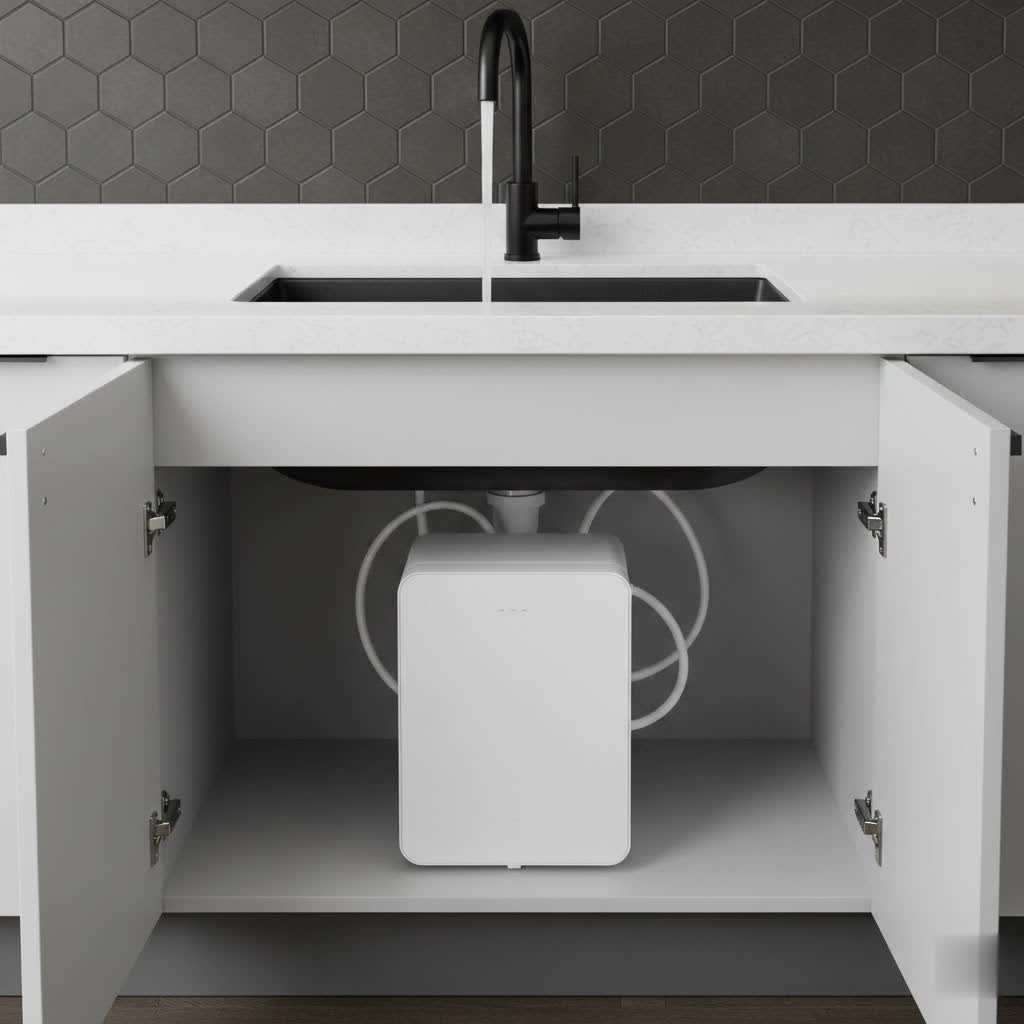
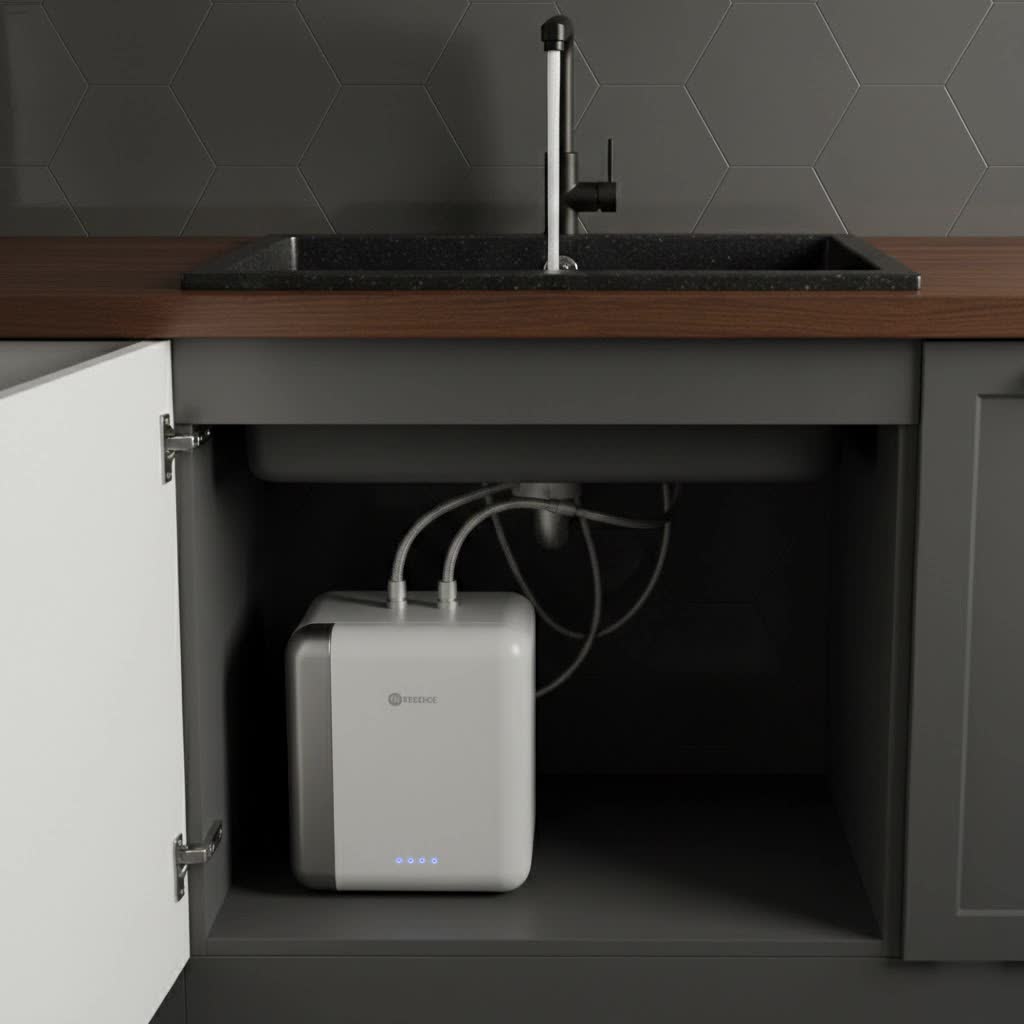
- Under-Sink Filters: Installed beneath your sink, these systems offer a dedicated filtered water tap, providing a continuous supply without altering your main faucet. Many under-sink systems incorporate multiple filtration stages, often including activated carbon.
- Whole-House Filters: For comprehensive chlorine removal throughout your entire home, a whole-house activated carbon filter can be installed at your main water line. This ensures all water used for showering, laundry, and drinking is free of chlorine.
- Reverse Osmosis (RO) Systems: Often considered the gold standard for water purification, RO systems typically integrate activated carbon pre-filters to remove chlorine, protecting the delicate RO membrane and ensuring a broader spectrum of contaminant removal.
- Benefits: Activated carbon filters deliver immediate results, significantly improving the taste and odor of your water. They are also effective at removing chloramines and can often reduce other impurities, enhancing overall water quality.
- Considerations: Filters require regular replacement to maintain effectiveness, with replacement frequency depending on water usage and quality. While initial costs for pitcher or faucet filters are low, the long-term cost of replacement cartridges can add up.
|
Our Picks for the Best Water purifier in 2026
As an Amazon Associate I earn from qualifying purchases.
|
||
| Num | Product | Action |
|---|---|---|
| 1 | Waterdrop G3P600 Reverse Osmosis System, 8 Stage Tankless Reverse Osmosis Water Filter, NSF/ANSI 42 & 53 & 58 & 372 Certified, Under Sink RO System, 2:1 Pure to Drain, Smart LED Faucet |

|
| 2 | PUR 30-Cup Countertop Water Filter Dispenser, 1 Genuine PUR Filter, 2-in-1 Powerful Filtration, Lasts 2 Months or 40 Gallons, Dishwasher Safe, White/Blue (DS1800Z) |
|
| 3 | Bluevua RO100ROPOT Countertop Reverse Osmosis Water Filter System, Portable RO Filtration with Remineralization, No Installation, WQA Certified - ROPOT-UV, 6-Stage RO |
|
| 4 | LifeStraw Personal Water Filter for Hiking, Camping, Travel, and Emergency Preparedness |
|
| 5 | Brita 27 Cup Water Filter Dispenser with Elite Filter, NSF Certified to Remove 99% of Lead, Reduces 30 Contaminants Including Microplastics, Mercury & Chlorine, SmartLight Indicator, BPA-Free, Black |
|
| 6 | DREO Reverse Osmosis Water Filter Countertop, RO Filtration System, 3:1 Pure to Drain, TDS & Filter Life & Autofill Pitcher, Installation-Free, Self-Cleaning Water Purifier, RO Water Filter |
|
| 7 | Brita UltraMax Large Water Dispenser with Standard Filter, BPA-Free, Reduces Copper, Cadmium and Mercury Impurities, Lasts 2 Months or 40 Gallons, 27-Cup |
|
| 8 | Brita Large Water Filter Pitcher for Tap and Drinking Water, Includes 1 Standard Filter, BPA-Free, Lasts Two Months, 10-Cup Capacity, Bright White |
|
| 9 | PUR Plus Vertical Faucet-Mount Water Filtration System, Lead-Reducing Filter, Easy Installation, 100-Gallon Capacity, Compatible with External Aerators, Grey |
|
| 10 | Brita Metro Water Filter Pitcher with SmartLight Change Indicator, BPA-Free, Replaces 1,800 Plastic Water Bottles a Year, Lasts Two Months, Includes 1 Filter, Small - 6-Cup Capacity, White |
|
Vitamin C (Ascorbic Acid) Neutralization
For an incredibly fast and cost-effective way to dechlorinate water, especially in smaller volumes, vitamin C (ascorbic acid) is a highly effective chemical neutralizer.
- How It Works: Vitamin C chemically reacts with chlorine and chloramines, neutralizing them almost instantly. Ascorbic acid donates electrons to the chlorine, reducing it to chloride, a harmless ion naturally found in water. This method is often used in situations requiring rapid dechlorination, such as treating water for aquariums or baths.
- Application: You can use vitamin C powder or tablets. A common recommendation is approximately 40 milligrams of vitamin C powder per gallon of water. This is a very small amount—roughly 1/16th of a teaspoon. Simply add the powder or a crushed tablet to the water and stir. The reaction is almost immediate.
- Benefits: Vitamin C is exceptionally fast, neutralizing chlorine and chloramines on contact. It’s inexpensive, readily available, and effective for both types of disinfectants. Unlike some other methods, it doesn’t require electricity or waiting time. Some sources note that it may impart a slightly different taste, while others claim it doesn’t change the water’s natural flavor.
- Considerations: This method is most practical for treating smaller quantities of water, such as a pitcher for drinking, rather than an entire household’s supply. Ensure you use pure ascorbic acid and follow dosage recommendations carefully.
“While chlorine is vital for water safety, its taste and smell can be a major deterrent. Fortunately, advanced filtration and simple chemical neutralization methods offer immediate relief, transforming your tap water experience.” – Admin of ReviewUB.com, Water Purification Expert.
Other Effective Methods for Chlorine Removal (Not Instant, but Useful)
While not instant, these methods are reliable for removing chlorine, especially if you have some time on your hands.
Letting Water Stand (Evaporation)
Chlorine is a volatile chemical, meaning it naturally evaporates into the air when exposed. This is the simplest and most cost-free method, though it requires patience.
- How It Works: Fill a clean pitcher or open container with tap water and leave it exposed to the air. Over several hours, the free chlorine gas will dissipate from the water into the atmosphere. Placing the container in a room-temperature environment can speed up the process. Once dechlorinated, you can store the water in the refrigerator.
- Limitations: This method is time-consuming, typically taking anywhere from a few hours to 24 hours for complete evaporation, depending on the initial chlorine level, water temperature, and surface area exposure. Crucially, it is effective primarily for free chlorine and will not significantly remove chloramines, which are much more stable and have a lower evaporation rate.
Boiling Water
Applying heat can accelerate the evaporation process for chlorine, making it a faster alternative to simply letting water stand.
- How It Works: Boiling water causes chlorine to convert into gas and escape into the air more quickly. Bring water to a rolling boil and maintain it for approximately 15 to 20 minutes.
- Process: After boiling, allow the water to cool completely before consuming it. Once cooled, you can store it in a clean, covered container in the refrigerator.
- Limitations: While faster than unassisted evaporation, boiling is still not an instant method. It also requires energy and can only treat small batches of water at a time, making it impractical for large volumes. Similar to letting water stand, boiling is primarily effective for removing free chlorine and has limited impact on chloramines.
Choosing the Right Chlorine Removal Method for You
Selecting the best method for removing chlorine from your water depends on your specific needs, the volume of water you want to treat, and your budget.
- For Instant, Small-Batch Treatment: If you primarily want to improve the taste of your drinking water for immediate consumption, a pitcher filter or the vitamin C method are excellent, fast, and cost-effective choices.
- For On-Demand Filtered Water at a Single Tap: A faucet-mounted filter or an under-sink system offers convenience and continuous access to dechlorinated water for drinking and cooking without significant effort.
- For Comprehensive Household Dechlorination: If the chlorine taste and smell affect your showers, baths, and all water-using appliances, a whole-house activated carbon filter or a Reverse Osmosis (RO) system that includes carbon filtration provides the most complete solution. These require a larger initial investment but offer unparalleled convenience and water quality throughout your home.
- For Budget-Friendly, Patient Solutions: If immediacy isn’t a top priority, letting water stand or boiling are free or low-cost options, though they are less effective against chloramines and require planning.
Consider how much water you consume, whether you have chloramines in your water supply (you can typically check with your local water provider), and your willingness to invest in a filtration system versus using simpler, batch-treatment methods.
Conclusion
The presence of chlorine taste and smell in your tap water doesn’t have to be a persistent nuisance. From the rapid action of activated carbon filters and vitamin C to the more patient approaches of evaporation and boiling, a range of effective solutions is available. By understanding the nature of chlorine in your water and evaluating your personal needs, you can easily implement a method that ensures every sip is clean, refreshing, and free from undesirable chemical flavors. Why settle for less when pure-tasting water is so easily within reach?
Frequently Asked Questions
Is chlorine in tap water harmful to drink?
While chlorine is added to tap water to kill harmful pathogens and is generally considered safe in the low levels maintained for disinfection, prolonged exposure to its byproducts (like THMs) may pose health risks. Many people also find the taste and smell unpleasant, leading them to seek removal methods.
Do all water filters remove chloramines?
No, not all water filters are designed to remove chloramines. While most activated carbon filters are effective against free chlorine, only specific types of activated carbon (often catalytic carbon) or more advanced filtration systems like Reverse Osmosis are effective at removing chloramines. Always check the filter’s specifications.
How long does it take for chlorine to evaporate from water naturally?
Free chlorine can evaporate from an open container of water within a few hours to 24 hours, depending on factors such as water temperature, the initial concentration of chlorine, and the surface area exposed to the air. Chloramines, however, are much more stable and do not readily evaporate.
Can boiling water remove chloramines?
Boiling water is effective at removing free chlorine by accelerating its evaporation. However, boiling has minimal effect on chloramines because they are more chemically stable and do not evaporate as easily as free chlorine. For chloramine removal, activated carbon filters or vitamin C are more effective.
What is the most effective way to remove chlorine from all household water?
For comprehensive chlorine and chloramine removal throughout your entire home, the most effective solution is installing a whole-house water filtration system, typically a large activated carbon filter or a combination system. This ensures all water entering your home, for drinking, cooking, bathing, and laundry, is treated.