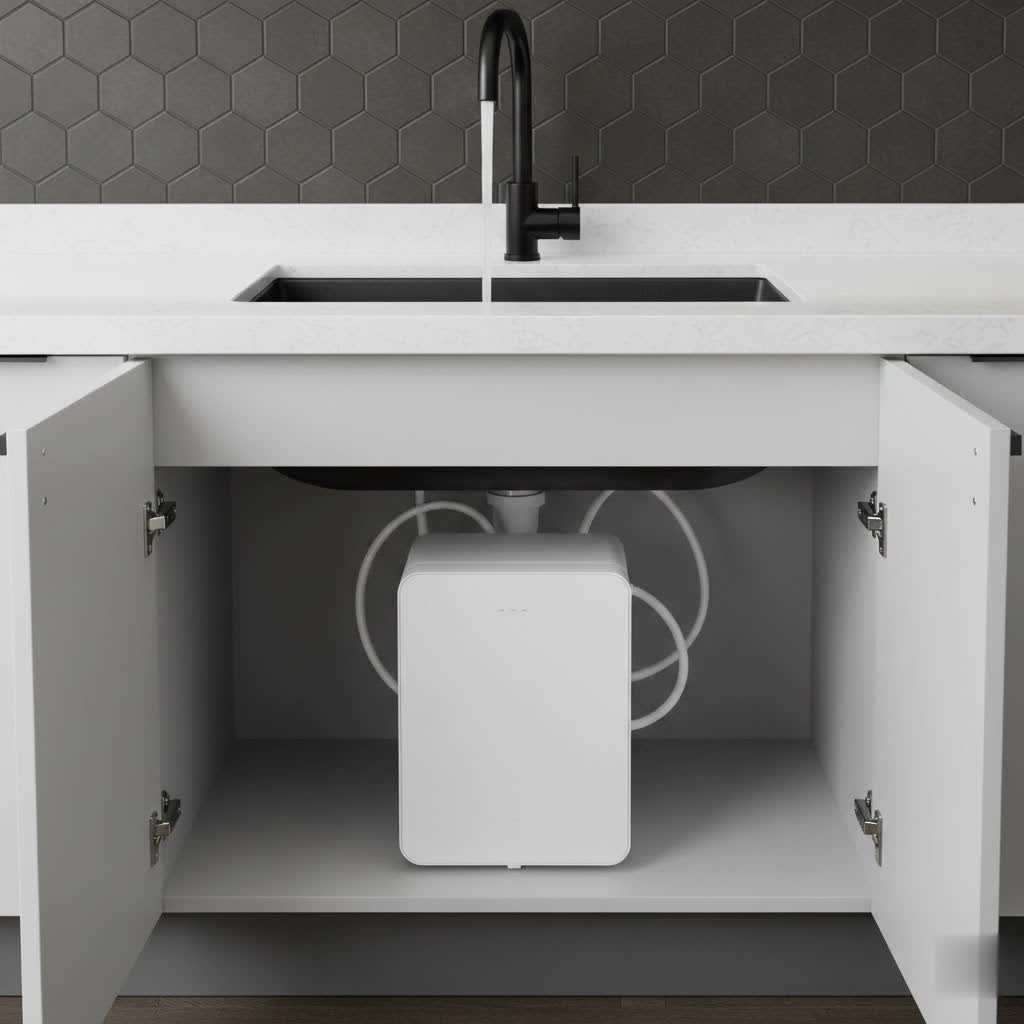
For over a decade, as the Admin of ReviewUB.com and a dedicated water purification technician, I’ve seen countless water filters come and go. From basic models to cutting-edge RO, Nano, and UF systems, these devices are essential for healthy homes. Yet, a common question arises as frequently as a filter needs changing: what do we do with the old cartridges? Disposing of used water filter cartridges responsibly is a growing concern for environmentally conscious households. Traditional recycling often isn’t an option, leading to confusion and, unfortunately, landfill waste. This comprehensive guide will equip you with the knowledge to make eco-friendly choices for your used water filters, detailing available recycling programs, repurposing ideas, and how to choose more sustainable filtration solutions for the future.
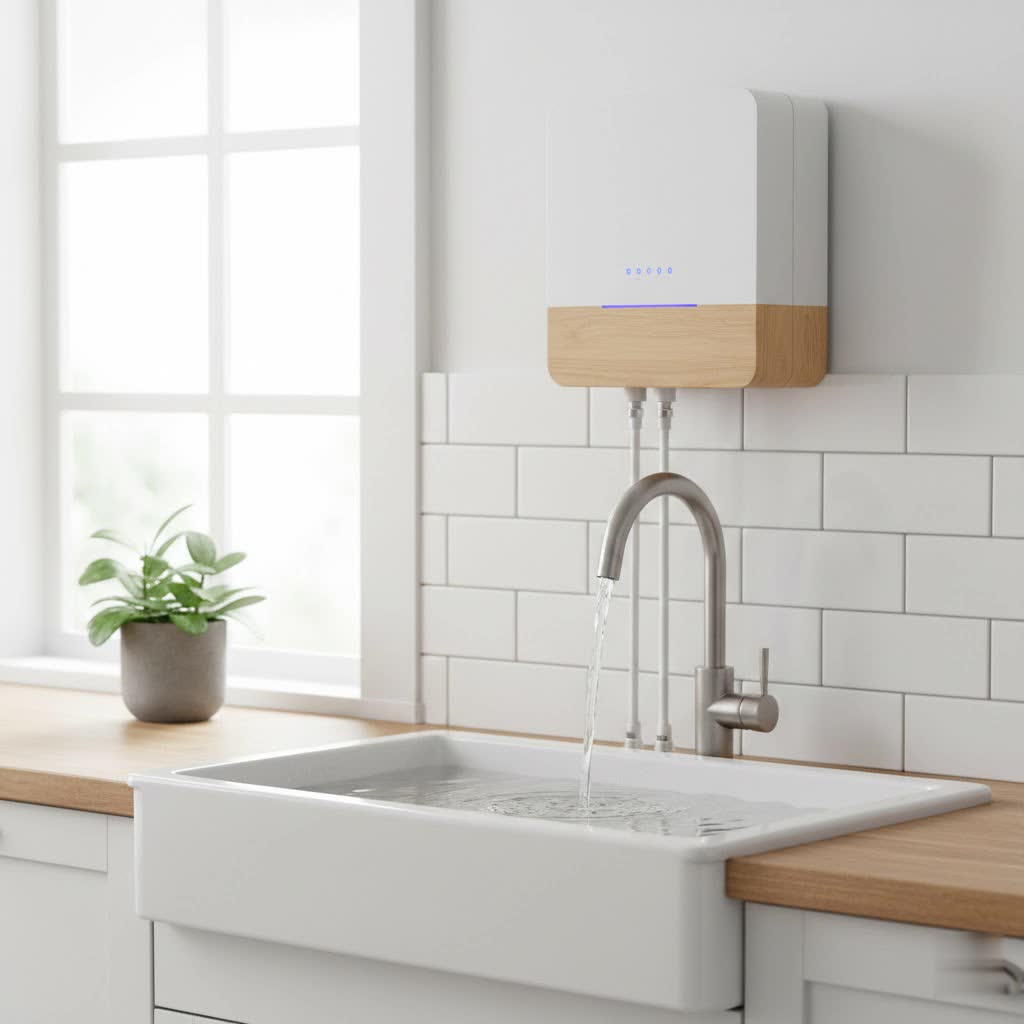
The Environmental Footprint of Used Water Filters
While water filters significantly reduce plastic bottle waste by providing clean tap water, their own end-of-life journey can present environmental challenges. Many water filter cartridges are composite products, made from a mix of plastic casings, activated carbon, and ion-exchange resins. This combination of materials makes them difficult for standard municipal recycling facilities to process. When these complex items end up in landfills, their plastic components can take hundreds of years to decompose, contributing to plastic pollution and potentially leaching chemicals into the soil and waterways.
The environmental benefits of using home water filtration systems are undeniable, dramatically cutting down on single-use plastic water bottles that contribute to global waste. However, to truly embrace an eco-conscious lifestyle, we must also address the waste generated by the filters themselves. By understanding the composition of these cartridges and the available disposal avenues, we can ensure our commitment to clean water extends to protecting the planet.
Navigating Recycling Options for Water Filter Cartridges
Disposing of your used water filter cartridges doesn’t have to be a mystery. While conventional curbside recycling often falls short, several dedicated programs and services offer sustainable solutions.
Manufacturer Take-Back Programs
Many leading water filter brands have recognized the need for responsible disposal and offer their own recycling initiatives. These programs typically involve mailing your used cartridges back to the manufacturer or a designated recycling partner.
- Brita: Historically, Brita has partnered with TerraCycle for a free mail-back program that accepts used filters, pitchers, and dispensers. While there might sometimes be waiting lists or program changes, it’s always worth checking their current status on their official website.
- PUR: Similar to Brita, PUR also collaborates with TerraCycle, providing options for recycling their used cartridges. Check their website for specific instructions and any required forms or shipping labels.
- ZeroWater: This brand offers a direct mail-in recycling program for its 5-stage filter cartridges. Customers typically fill out a form, pay for shipping, and often receive a coupon for future filter purchases as an incentive. This encourages a closed-loop system for their products.
- Hydros: Hydros provides a free mail-back recycling program through TerraCycle, accepting any Hydros filter. This program is generally available within the contiguous U.S., and customers can request a prepaid return label.
- LabStrong & Premiere Sales: Specialized brands like LabStrong offer free recycling services for their customers, aiming to minimize landfill waste. Premiere Sales also has a program for their plastic and stainless steel cartridges, collecting them in Zero Waste Boxes and sending them to TerraCycle for proper processing.
|
Our Picks for the Best Water purifier in 2026
As an Amazon Associate I earn from qualifying purchases.
|
||
| Num | Product | Action |
|---|---|---|
| 1 | Brita UltraMax Large Water Dispenser with Standard Filter, BPA-Free, Reduces Copper, Cadmium and Mercury Impurities, Lasts 2 Months or 40 Gallons, 27-Cup |

|
| 2 | Bluevua RO100ROPOT Countertop Reverse Osmosis Water Filter System, Portable RO Filtration with Remineralization, No Installation, WQA Certified - ROPOT-UV, 6-Stage RO |
|
| 3 | Waterdrop G3P600 Reverse Osmosis System, 8 Stage Tankless Reverse Osmosis Water Filter, NSF/ANSI 42 & 53 & 58 & 372 Certified, Under Sink RO System, 2:1 Pure to Drain, Smart LED Faucet |
|
| 4 | LifeStraw Personal Water Filter for Hiking, Camping, Travel, and Emergency Preparedness |
|
| 5 | PUR Plus Vertical Faucet-Mount Water Filtration System, Lead-Reducing Filter, Easy Installation, 100-Gallon Capacity, Compatible with External Aerators, Grey |
|
| 6 | PUR 30-Cup Countertop Water Filter Dispenser, 1 Genuine PUR Filter, 2-in-1 Powerful Filtration, Lasts 2 Months or 40 Gallons, Dishwasher Safe, White/Blue (DS1800Z) |
|
| 7 | Brita Metro Water Filter Pitcher with SmartLight Change Indicator, BPA-Free, Replaces 1,800 Plastic Water Bottles a Year, Lasts Two Months, Includes 1 Filter, Small - 6-Cup Capacity, White |
|
| 8 | Brita Large Water Filter Pitcher for Tap and Drinking Water, Includes 1 Standard Filter, BPA-Free, Lasts Two Months, 10-Cup Capacity, Bright White |
|
| 9 | DREO Reverse Osmosis Water Filter Countertop, RO Filtration System, 3:1 Pure to Drain, TDS & Filter Life & Autofill Pitcher, Installation-Free, Self-Cleaning Water Purifier, RO Water Filter |
|
| 10 | Brita 27 Cup Water Filter Dispenser with Elite Filter, NSF Certified to Remove 99% of Lead, Reduces 30 Contaminants Including Microplastics, Mercury & Chlorine, SmartLight Indicator, BPA-Free, Black |
|
When using a manufacturer program, it’s crucial to follow their specific preparation guidelines, which usually include drying the filter for several days and ensuring it’s completely drained of water before shipping.
Specialized Recycling Services
For filters not covered by manufacturer programs, or if you prefer a universal solution, specialized recycling services can be an invaluable resource.
- TerraCycle: This innovative company partners with brands and also offers paid “Zero Waste Boxes” or “Zero Waste Pouches” specifically designed for hard-to-recycle items, including any type of water filter. While these options come with a fee, they provide a guaranteed pathway for your filters to be properly recycled, preventing them from ending up in landfills.
Local Recycling Centers
While less common for composite water filters, it’s always prudent to check with your local municipal recycling center or public works department. Some facilities may have specific guidelines or special drop-off events for “hard-to-recycle” items. If your filter’s plastic casing has a recycling symbol with a number, inquire if your local center accepts that specific type of plastic, though often the internal media prevents general acceptance. Remember to call ahead as recycling programs frequently update their accepted materials.
Beyond Recycling: Reusing and Repurposing Filter Components
Even if a formal recycling program isn’t available, certain components of your used water filter cartridges can often be safely repurposed, adding another layer of environmental stewardship.
The activated carbon found inside many filters is a versatile material. Once thoroughly drained and dried, you can:
- Improve Soil Aeration: Break up the carbon and mix it into your garden soil or potting mix. It can enhance aeration and water retention, benefiting plant growth.
- Odor Absorption: Place dried carbon grains in a cloth bag or sock and use them as natural odor absorbers in refrigerators, shoes, gym bags, or damp areas to combat musty smells.
- Mold Prevention: Carbon can also help fight mold when placed in areas prone to dampness.
Important Caution: If your water filter was used to remove specific harmful contaminants such as heavy metals or arsenic, the activated carbon inside will have trapped and concentrated these substances. In such cases, it is crucial not to repurpose the carbon for gardening or household use, as it could reintroduce these pollutants into your environment or even your food chain. Always exercise caution and dispose of contaminated filters through appropriate channels if possible.
Steps for Responsible Water Filter Disposal
To ensure your water filter cartridges are disposed of as responsibly as possible, follow these practical steps:
- Drain and Dry Thoroughly: Before any disposal method, always ensure your used filter is completely drained of water and allowed to dry for several days to prevent mold growth and reduce shipping weight if mailing.
- Identify Your Filter: Note the brand and model of your water filter. This information is vital when checking for manufacturer programs.
- Check Manufacturer Programs: Visit the manufacturer’s website first. Many major brands offer mail-back recycling programs, sometimes providing prepaid shipping labels or coupons for future purchases.
- Explore Specialized Services: If your manufacturer doesn’t offer a program, consider services like TerraCycle that accept all types of water filters, often for a fee.
- Contact Local Recycling: As a last resort for recycling the plastic casing, call your local recycling facility to inquire if they accept specific plastic types, but be prepared for limitations due to the mixed materials.
- Consider Safe Repurposing: If you’re certain your filter did not remove hazardous contaminants, explore repurposing the activated carbon as a soil additive or odor absorber.
Choosing Eco-Friendly Water Filtration Systems
Your journey toward responsible water filter disposal can also influence your purchasing decisions. When selecting a new filtration system, consider models designed with sustainability in mind:
- Longer-Lasting Filters: Filters with extended lifespans reduce the frequency of cartridge replacement, thereby decreasing waste over time.
- Reusable Components: Some systems feature reusable outer casings, requiring you to only replace the internal media, further reducing plastic waste.
- Sustainable Materials: Look for filters made with more easily recyclable plastics, natural ceramic, or compostable materials where available.
- Manufacturer Commitment: Support brands that actively promote and facilitate recycling programs for their products.
“The smallest changes in our daily habits, like properly disposing of a water filter, collectively lead to significant positive environmental impacts. It’s about thinking beyond convenience to true sustainability.” – [Your Name/ReviewUB.com Admin], Water Purification Specialist
Conclusion
The pursuit of clean drinking water shouldn’t come at the cost of environmental integrity. While the unique construction of water filter cartridges can make recycling them a challenge, numerous responsible options are available. From manufacturer take-back initiatives and specialized recycling services like TerraCycle to the careful repurposing of internal components, you have the power to minimize your environmental footprint. By diligently following proper disposal methods and opting for more eco-conscious filtration systems, you contribute to a healthier planet for everyone. Let’s remember that every action, no matter how small, adds up to a greater impact.
Frequently Asked Questions
Can I put water filter cartridges in my regular curbside recycling bin?
Generally, no. Most municipal curbside recycling programs do not accept water filter cartridges due to their composite nature, which consists of mixed materials like plastic, activated carbon, and ion-exchange resins that are difficult to separate and process. Always check with your local facility directly before disposal.
Which water filter brands offer recycling programs?
Several major brands offer recycling programs, including Brita (often through TerraCycle), PUR (also through TerraCycle), ZeroWater (direct mail-in), and Hydros (TerraCycle). Some specialized manufacturers like LabStrong and Premiere Sales also provide recycling options for their specific cartridges.
How should I prepare my used filter cartridge for recycling or disposal?
Before sending or disposing of a used filter, ensure it is completely drained of all water. It’s also recommended to let it air dry for several days to prevent mold and reduce weight, especially if mailing it.
Can activated carbon from old filters be composted or used in gardens?
Activated carbon can be repurposed for soil aeration or odor absorption. However, if your filter removed hazardous contaminants like heavy metals or arsenic, the carbon should not be used in gardens or compost, as these pollutants would be released back into the environment.
What is TerraCycle, and how does it relate to water filter recycling?
TerraCycle is a company that specializes in recycling hard-to-process waste streams. Many water filter manufacturers partner with TerraCycle for their recycling programs. TerraCycle also offers paid “Zero Waste Boxes” that consumers can purchase to recycle various items, including any type of water filter.
Are there any water filters that are easier to recycle or more environmentally friendly?
Yes, some water filtration systems are designed with sustainability in mind. Look for filters with longer lifespans, systems that allow for the replacement of only internal media while reusing the outer casing, or those made from more easily recyclable or compostable materials. Supporting brands with established recycling programs also contributes to eco-friendliness.