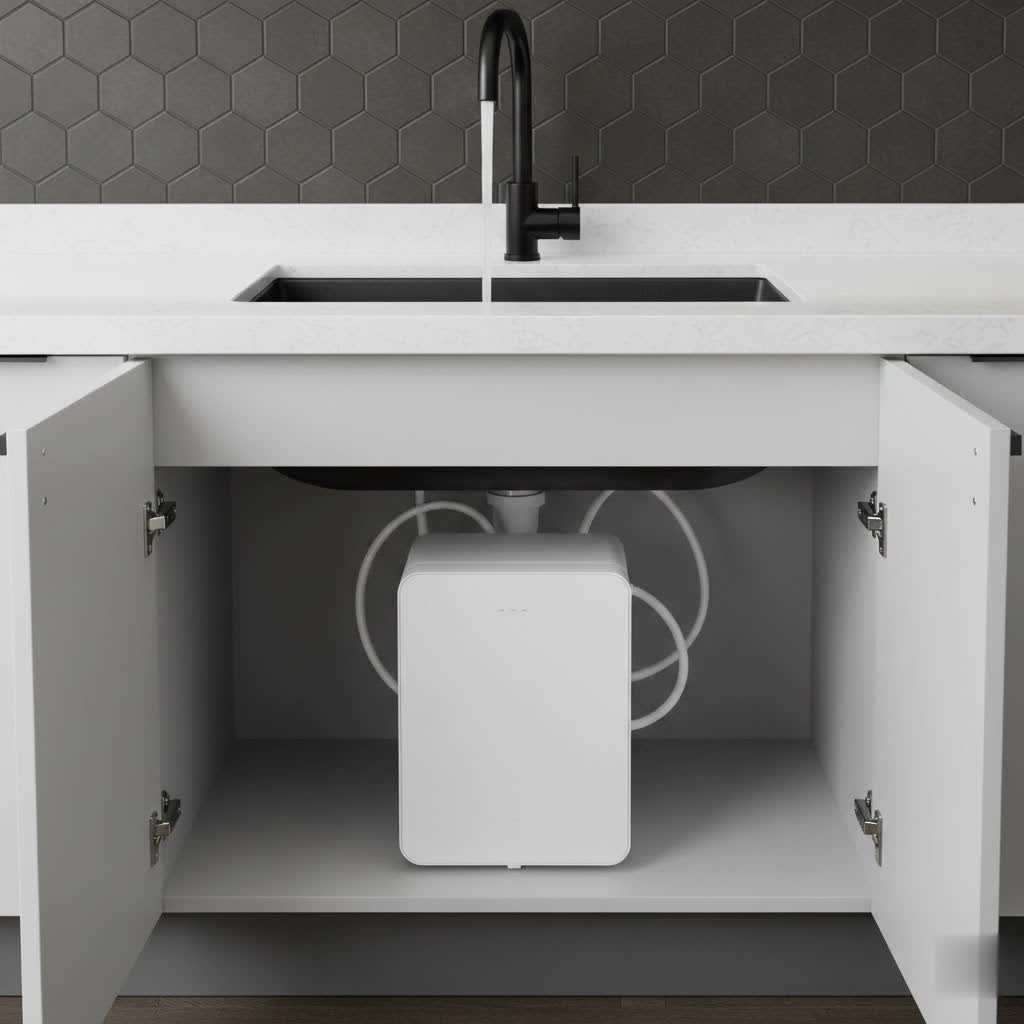
Ensuring your household has access to clean, pure drinking water is a top priority for many, and a reverse osmosis (RO) system is an excellent investment towards that goal. While these systems are highly effective at removing contaminants, it’s crucial to understand that even RO systems require periodic sanitization to maintain peak performance and prevent potential issues. Neglecting this vital maintenance step can lead to bacterial growth within your system, compromising water quality and potentially affecting your health.
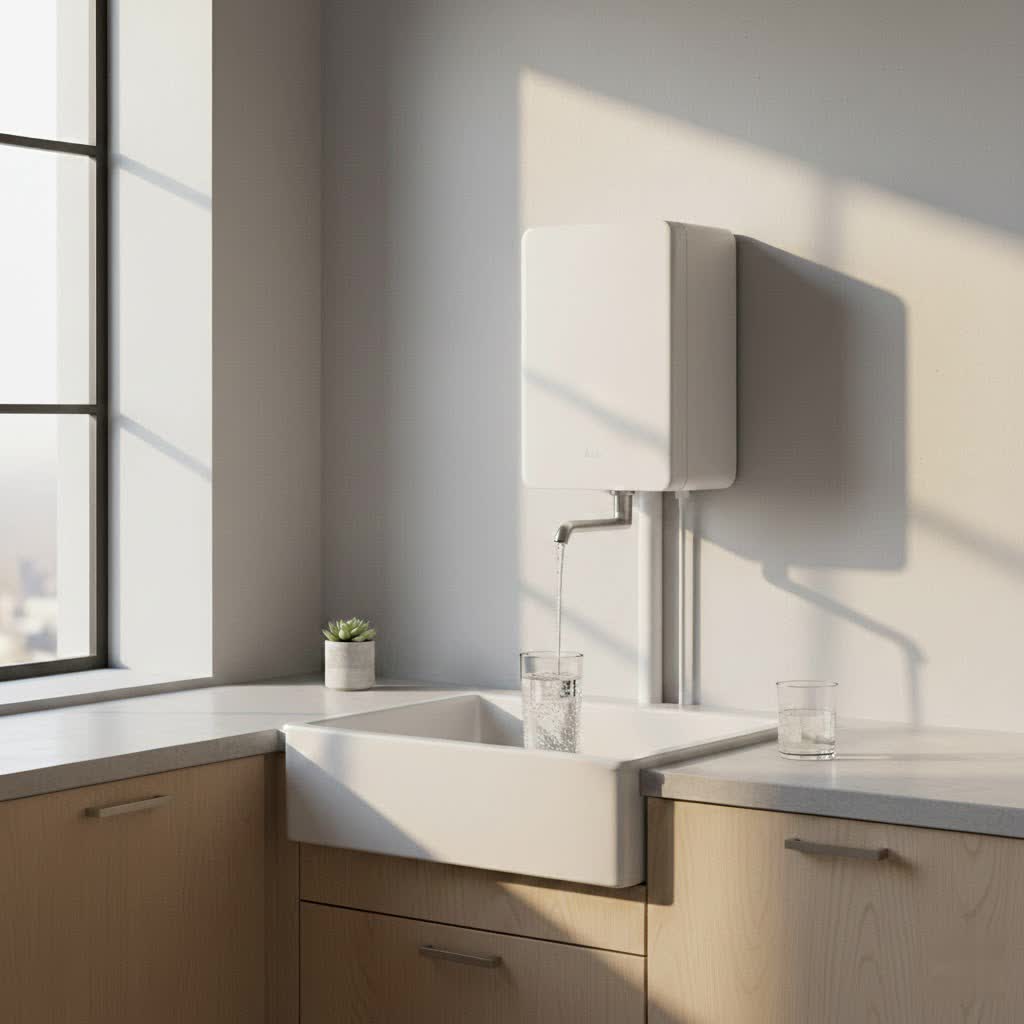
This comprehensive guide will walk you through the essential steps to sanitize your RO tank effectively, ensuring your family continues to enjoy safe and delicious drinking water. We’ll cover everything from why sanitization is necessary to what materials you’ll need and a detailed, easy-to-follow process.
Why Reverse Osmosis Tank Sanitization is Essential
Many assume that once water passes through an RO membrane, it’s entirely free from all microorganisms and remains inert. However, bacteria can indeed grow in reverse osmosis water, especially in the storage tank and other components where water might sit for extended periods. Even with low levels of dissolved solids, bacteria can colonize and form biofilm within the system’s tubing, filters, and tank. This phenomenon, known as “regrowth,” can lead to several problems:
- Compromised Water Quality: Bacterial growth can reintroduce contaminants into your purified water, negating the benefits of your RO system.
- Unpleasant Taste and Odor: A common sign of bacterial contamination is a strange taste or odor in your drinking water.
- Reduced System Efficiency: Biofilm buildup can clog filters and membranes, reducing water flow and the overall effectiveness of your RO system.
- Health Risks: While often not pathogenic, some bacteria can pose health risks, especially to individuals with compromised immune systems. Regular sanitization minimizes this risk.
Sanitizing your RO system, particularly the storage tank, eliminates these microorganisms, safeguarding your water quality and prolonging the life of your unit.
When to Sanitize Your RO System and Tank
Knowing when to sanitize your RO system is as important as knowing how. Most experts recommend a routine sanitization schedule, but certain situations warrant immediate action:
- Annually: As a general rule, sanitize your entire RO system, including the tank, at least once every 6 to 12 months. This often coincides with replacing your sediment and carbon pre-filters.
- After Repairs or Component Replacements: Any time you open the system for maintenance, such as changing filters or the RO membrane, it’s wise to sanitize to prevent introducing new contaminants.
- Extended Downtime: If your RO system has been unused for more than two weeks (e.g., after a vacation), sanitizing it before resuming use is highly recommended to flush out any stagnant water and potential bacterial growth.
- Signs of Contamination: If you notice an unusual odor, an odd taste, or cloudy water coming from your RO faucet, these are strong indicators that your system needs immediate sanitization.
Gather Your Tools and Materials
Before you begin the sanitization process, ensure you have all the necessary supplies on hand. Preparation makes the process smoother and more efficient.
Essential Materials:
- Sanitizing Solution:
- Unscented Household Bleach (5-6% sodium hypochlorite): This is a widely available and effective option. Ensure it’s unscented to avoid residual perfumes in your drinking water.
- NSF-Certified RO System Sanitizer: Products like Sani-System are specifically designed for RO systems, often requiring no mixing, and are recognized by the EPA and NSF. Follow the manufacturer’s instructions carefully.
- Personal Protective Equipment:
- Gloves: Protect your hands from sanitizing solutions.
- Safety Goggles: Protect your eyes from splashes.
- Cleaning Supplies:
- Clean Cloths or Sponge: For wiping down components.
- Bucket: Useful for mixing solutions and draining water.
- Optional (but recommended):
- New Filters: This is an ideal time to replace your pre-filters, carbon filters, and potentially the RO membrane, as sanitizing often aligns with filter replacement schedules.
- Pliers: May be needed to remove certain components.
“Regular sanitization is non-negotiable for RO system longevity and water safety. Think of it as a deep clean for your water’s lifeline.” – John Smith, Senior Water Quality Technician
Step-by-Step Guide: Sanitizing Your RO Tank
Follow these steps carefully to ensure a thorough and effective sanitization of your reverse osmosis system and tank.
1. Shut Down and Depressurize the System
First, you need to isolate your RO unit from the water supply and drain any stored water.
- Turn Off Water Supply: Locate the cold water line connected to your RO system (usually under the sink) and turn off its shutoff valve. If your system feeds a refrigerator or ice maker, disconnect those lines as well to prevent the sanitizing solution from entering them.
- Open RO Faucet: Open your RO dispensing faucet and allow all the water to drain from the storage tank. Keep the faucet open until the water flow completely stops and the tank is fully depressurized and empty.
|
Our Picks for the Best Water purifier in 2026
As an Amazon Associate I earn from qualifying purchases.
|
||
| Num | Product | Action |
|---|---|---|
| 1 | Waterdrop G3P600 Reverse Osmosis System, 8 Stage Tankless Reverse Osmosis Water Filter, NSF/ANSI 42 & 53 & 58 & 372 Certified, Under Sink RO System, 2:1 Pure to Drain, Smart LED Faucet |

|
| 2 | Brita Metro Water Filter Pitcher with SmartLight Change Indicator, BPA-Free, Replaces 1,800 Plastic Water Bottles a Year, Lasts Two Months, Includes 1 Filter, Small - 6-Cup Capacity, White |
|
| 3 | PUR Plus Vertical Faucet-Mount Water Filtration System, Lead-Reducing Filter, Easy Installation, 100-Gallon Capacity, Compatible with External Aerators, Grey |
|
| 4 | LifeStraw Personal Water Filter for Hiking, Camping, Travel, and Emergency Preparedness |
|
| 5 | Bluevua RO100ROPOT Countertop Reverse Osmosis Water Filter System, Portable RO Filtration with Remineralization, No Installation, WQA Certified - ROPOT-UV, 6-Stage RO |
|
| 6 | DREO Reverse Osmosis Water Filter Countertop, RO Filtration System, 3:1 Pure to Drain, TDS & Filter Life & Autofill Pitcher, Installation-Free, Self-Cleaning Water Purifier, RO Water Filter |
|
| 7 | Brita Large Water Filter Pitcher for Tap and Drinking Water, Includes 1 Standard Filter, BPA-Free, Lasts Two Months, 10-Cup Capacity, Bright White |
|
| 8 | Brita 27 Cup Water Filter Dispenser with Elite Filter, NSF Certified to Remove 99% of Lead, Reduces 30 Contaminants Including Microplastics, Mercury & Chlorine, SmartLight Indicator, BPA-Free, Black |
|
| 9 | PUR 30-Cup Countertop Water Filter Dispenser, 1 Genuine PUR Filter, 2-in-1 Powerful Filtration, Lasts 2 Months or 40 Gallons, Dishwasher Safe, White/Blue (DS1800Z) |
|
| 10 | Brita UltraMax Large Water Dispenser with Standard Filter, BPA-Free, Reduces Copper, Cadmium and Mercury Impurities, Lasts 2 Months or 40 Gallons, 27-Cup |
|
2. Remove Filters and RO Membrane
Protecting sensitive components from the sanitizing solution, especially chlorine bleach, is critical.
- Remove Pre-filters and Carbon Filters: Unscrew the housings for your sediment and carbon pre-filters. Carefully remove these filters and set them aside. If you are replacing them, discard the old filters.
- Remove RO Membrane: Locate the RO membrane housing. Carefully remove the membrane from its housing. It is crucial to remove the RO membrane before introducing chlorine bleach, as bleach can damage the membrane.
- Remove Post-filter (if applicable): If your system has an inline post-filter (often a carbon polishing filter), remove this as well.
- Reattach Empty Housings: Screw the empty filter housings and the RO membrane housing cap back into place. This allows the sanitizing solution to circulate through the system’s plumbing.
3. Prepare and Add Sanitizing Solution
Now, it’s time to introduce the cleaning agent.
- Choose Your Solution:
- Bleach Method: For a standard 3-4 gallon tank, mix 1-2 teaspoons of unscented household bleach (5-6% sodium hypochlorite) with 1 gallon of clean water in a bucket. For larger systems or to sanitize the entire system, you might use up to 3 tablespoons of bleach.
- Commercial Sanitizer: If using an NSF-certified sanitizer like Sani-System, follow the specific instructions on the product packaging for dosage.
- Add Solution: Pour the prepared sanitizing solution into the first filter housing (the empty housing for the sediment filter). Reattach this housing securely to the system.
4. Allow Solution to Circulate and Soak
The sanitizing solution needs time to work its magic throughout the system.
- Fill System: Slowly turn the main cold water supply valve back on. Allow water to flow into the RO system, pushing the sanitizing solution through the lines and into the storage tank. You should hear the tank filling.
- Open Faucet Briefly: Once you hear water entering the tank, open the RO faucet briefly until you detect a faint smell of chlorine (if using bleach) or the sanitizing solution, then immediately close the faucet. This ensures the solution has reached the faucet and lines.
- Soak Time: Allow the sanitizing solution to sit in the system and tank for the recommended duration. For bleach, a soak time of 2-3 hours is generally effective for thorough disinfection. If using a commercial sanitizer, follow its specific instructions (some may only require 1 minute). For deeper cleaning, especially if contamination is suspected, some guides recommend letting a bleach solution sit overnight.
5. Thoroughly Flush and Rinse the System
This is a critical step to remove all traces of the sanitizing solution.
- Drain Solution: Open your RO faucet and allow the entire system, including the storage tank, to drain completely.
- Refill and Drain (Repeat): Close the RO faucet. Turn on the cold water supply to allow the tank to refill entirely with fresh water. Once full, open the faucet and drain the tank completely again. Repeat this refill and drain cycle at least 2-3 more times to ensure all traces of the sanitizing solution are thoroughly flushed out. The final rinse water should be completely free of any chemical odor or taste.
6. Reinstall Filters and RO Membrane
With the system sanitized and flushed, it’s time to put it back together.
- Turn Off Water Supply: Shut off the cold water supply valve to the RO system again.
- Install New Components: Carefully install your new pre-filters (sediment and carbon) and the RO membrane into their respective housings. Reinstall the post-filter if you removed it. Ensure all components are properly seated and housings are securely tightened.
- Reconnect Lines: Reconnect any lines that were disconnected from your refrigerator or ice maker.
7. Perform Final Flush and Restart
Your RO system is almost ready for use!
- Turn On Water Supply: Turn on the cold water supply valve to your RO system. Allow the system to fill completely, including the storage tank. This may take a few hours depending on your system’s capacity and water pressure.
- Final Drain: Once the tank is full, open the RO faucet and drain this entire tank of water. This final flush helps ensure any remaining trace chemicals or air are purged from the system.
- Ready for Use: Your sanitized RO system is now ready to provide fresh, pure drinking water.
Tips for Ongoing RO System Maintenance
Sanitizing your RO tank is a significant step, but it’s part of a larger maintenance routine that will keep your system running optimally for years.
- Regular Filter Changes: Adhere to your manufacturer’s recommended schedule for replacing pre-filters (typically every 6-12 months) and the RO membrane (every 2-4 years). Timely filter changes prevent buildup that can lead to bacterial growth and reduced efficiency.
- Empty the Tank Regularly: For optimal water quality and to prevent stagnation, consider completely emptying your RO bladder tank every 2-4 weeks. Simply open your RO faucet and let it run until empty; the tank will refill throughout the day.
- Consult Your Owner’s Manual: Always refer to your specific RO system’s owner’s manual for detailed instructions, recommended sanitizers, and maintenance schedules. Each system can have unique requirements.
Conclusion
Maintaining a reverse osmosis system, especially sanitizing the storage tank, is a straightforward yet crucial task that every RO owner should undertake. By following these step-by-step instructions, you can effectively eliminate bacterial growth, maintain the purity and excellent taste of your drinking water, and extend the lifespan of your valuable water filtration system. This proactive approach ensures your family continues to benefit from the highest quality water right from your tap.
Isn’t it empowering to know you have the power to keep your water truly pristine?
Frequently Asked Questions
Can bacteria really grow in an RO tank, even with purified water?
Yes, bacteria can grow in an RO tank. While the RO membrane removes the vast majority of contaminants, trace bacteria can still enter the system, especially during filter changes, or thrive on minute organic compounds. The enclosed, stagnant environment of the storage tank can then become a breeding ground for these microorganisms, forming biofilm over time.
How much bleach should I use to sanitize my RO tank?
For a standard 3-4 gallon RO bladder tank, mix 1-2 teaspoons of unscented household bleach (5-6% sodium hypochlorite) with 1 gallon of clean water. If sanitizing the entire system, some recommend up to 3 tablespoons of unscented bleach. Always ensure the bleach is unscented to avoid leaving residual perfumes in your water.
How long should I let the sanitizing solution sit in the tank?
Soak times can vary. If using a commercial NSF-certified sanitizer, follow its specific instructions, which might be as short as 1 minute. If using bleach, allowing the solution to sit for 2-3 hours is generally recommended for thorough disinfection. For more severe contamination or peace of mind, some experts suggest letting it sit overnight.
Do I need to replace my filters every time I sanitize?
While not strictly mandatory for every sanitization, it’s highly recommended to replace your pre-filters (sediment and carbon) when you sanitize, as these often have a 6-12 month replacement cycle. The RO membrane typically lasts 2-4 years and should be removed during sanitization to prevent bleach damage, then reinstalled or replaced if due.
What if my water still tastes or smells strange after sanitizing?
If your water still has an odd taste or smell after sanitizing and flushing thoroughly, first ensure you’ve completed multiple flush cycles to remove all sanitizing solution. If the issue persists, it could indicate that your filters or RO membrane need replacement, or there’s a more significant contamination issue within your plumbing or source water. In such cases, professional consultation may be necessary.