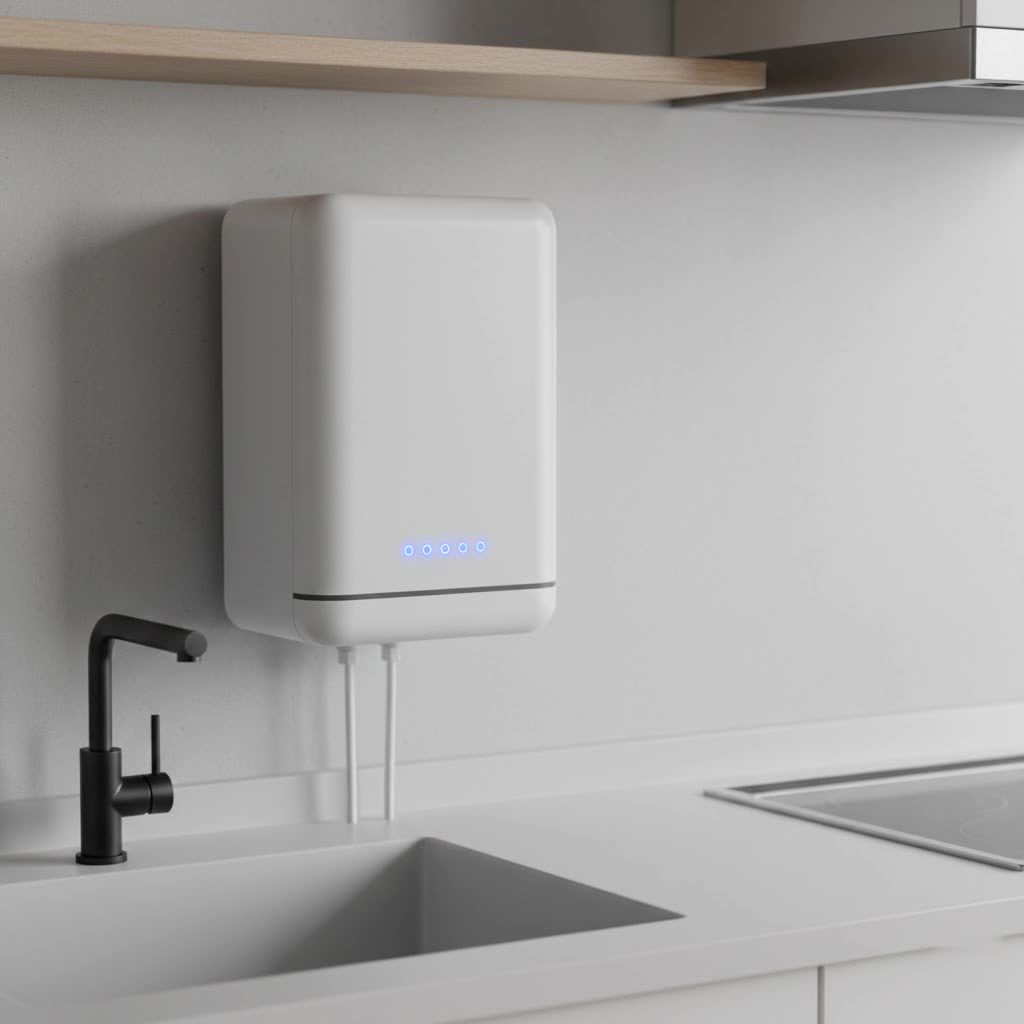
The global quest for clean, accessible drinking water has never been more critical. With diminishing freshwater reserves and the accelerating impacts of climate change, humanity stands at a crossroads, urgently seeking innovative solutions. Enter Atmospheric Water Generators (AWGs) – ingenious devices that promise to redefine our relationship with hydration by harvesting the abundant moisture in the air. As we look towards 2026, this technology is rapidly evolving, moving from niche application to a pivotal component in our sustainable water future.
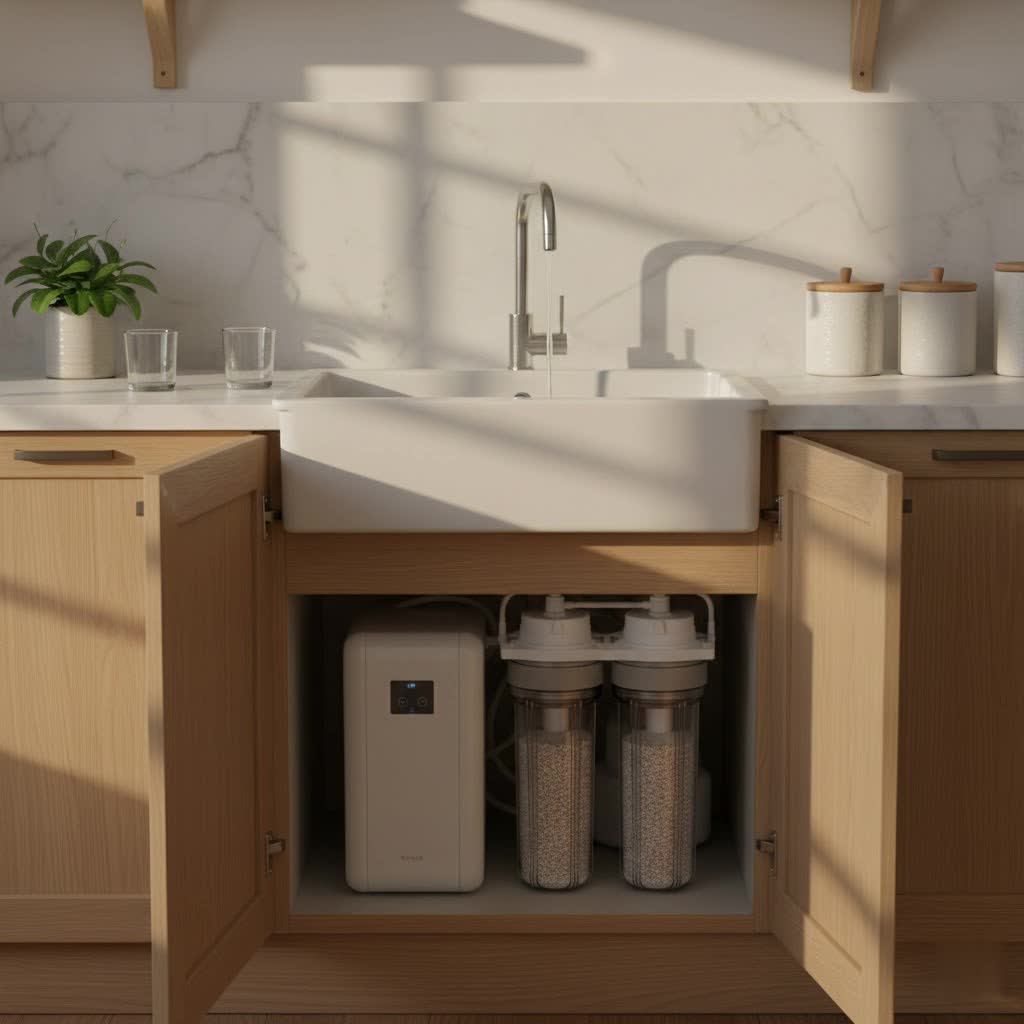
This comprehensive guide delves into the fascinating world of AWGs, exploring how they work, their burgeoning market, the compelling advantages they offer, and the challenges they must overcome. We will also cast a gaze into the near future, examining the innovations poised to shape AWG technology by 2026 and beyond, helping you understand if this “water from air” solution is right for you.
Understanding Atmospheric Water Generators
At its core, an Atmospheric Water Generator is a device designed to extract water vapor from ambient air and transform it into potable liquid water. While seemingly futuristic, the principle behind AWG technology mimics natural processes like dew formation, providing a constant, renewable source of drinking water, independent of traditional water infrastructures.
How AWGs Work: The Core Technologies
Two primary technologies underpin most AWG systems:
- Cooling Condensation: This is the most prevalent method, akin to how a dehumidifier or an air conditioner operates. Air is drawn into the unit by a fan and passed over a super-cooled coil (an evaporator). As the warm, humid air makes contact with the cold surface, it cools rapidly, causing the water vapor within it to condense into liquid droplets. These droplets are then collected, filtered, and purified, ready for consumption. The efficiency of this method is directly tied to the ambient temperature and, crucially, the relative humidity of the air.
- Desiccant-Based Systems: These advanced AWGs utilize hygroscopic materials – substances that naturally attract and absorb moisture from the air. Common desiccants include silica gel, zeolite, or specialized chemical salts. Once the desiccant material is saturated with water vapor, it is gently heated (often using solar energy or waste heat) to release the absorbed moisture as steam. This steam is then condensed back into liquid water, which subsequently undergoes filtration and purification. Desiccant-based systems often boast greater energy efficiency and can operate effectively in lower humidity environments, broadening their applicability to drier climates.
|
Our Picks for the Best Water purifier in 2026
As an Amazon Associate I earn from qualifying purchases.
|
||
| Num | Product | Action |
|---|---|---|
| 1 | Bluevua RO100ROPOT Countertop Reverse Osmosis Water Filter System, Portable RO Filtration with Remineralization, No Installation, WQA Certified - ROPOT-UV, 6-Stage RO |

|
| 2 | Brita UltraMax Large Water Dispenser with Standard Filter, BPA-Free, Reduces Copper, Cadmium and Mercury Impurities, Lasts 2 Months or 40 Gallons, 27-Cup |
|
| 3 | LifeStraw Personal Water Filter for Hiking, Camping, Travel, and Emergency Preparedness |
|
| 4 | Brita Metro Water Filter Pitcher with SmartLight Change Indicator, BPA-Free, Replaces 1,800 Plastic Water Bottles a Year, Lasts Two Months, Includes 1 Filter, Small - 6-Cup Capacity, White |
|
| 5 | Waterdrop G3P600 Reverse Osmosis System, 8 Stage Tankless Reverse Osmosis Water Filter, NSF/ANSI 42 & 53 & 58 & 372 Certified, Under Sink RO System, 2:1 Pure to Drain, Smart LED Faucet |
|
| 6 | PUR Plus Vertical Faucet-Mount Water Filtration System, Lead-Reducing Filter, Easy Installation, 100-Gallon Capacity, Compatible with External Aerators, Grey |
|
| 7 | PUR 30-Cup Countertop Water Filter Dispenser, 1 Genuine PUR Filter, 2-in-1 Powerful Filtration, Lasts 2 Months or 40 Gallons, Dishwasher Safe, White/Blue (DS1800Z) |
|
| 8 | DREO Reverse Osmosis Water Filter Countertop, RO Filtration System, 3:1 Pure to Drain, TDS & Filter Life & Autofill Pitcher, Installation-Free, Self-Cleaning Water Purifier, RO Water Filter |
|
| 9 | Brita 27 Cup Water Filter Dispenser with Elite Filter, NSF Certified to Remove 99% of Lead, Reduces 30 Contaminants Including Microplastics, Mercury & Chlorine, SmartLight Indicator, BPA-Free, Black |
|
| 10 | Brita Large Water Filter Pitcher for Tap and Drinking Water, Includes 1 Standard Filter, BPA-Free, Lasts Two Months, 10-Cup Capacity, Bright White |
|
Regardless of the method, the collected water typically undergoes multi-stage filtration, often including activated carbon filters, sediment filters, and UV sterilization, to ensure it is clean, safe, and tastes great.
The Rise of AWGs: Market Outlook for 2026
The Atmospheric Water Generator market is experiencing exponential growth, reflecting a global recognition of water scarcity as an urgent crisis. Industry reports indicate that the AWG market, valued at approximately $2.69 billion in 2024, is projected to reach around $4.96 billion by 2026, with some forecasts predicting continued expansion to nearly $8 billion by 2030. This rapid ascent is driven by a confluence of critical factors.
Driving Factors Behind Market Expansion
- Increasing Freshwater Scarcity: Depleting groundwater levels, polluted surface water sources, and unpredictable rainfall patterns are making traditional water supplies unreliable for a growing global population. AWGs offer a decentralized, localized solution.
- Climate Change Impacts: Rising global temperatures contribute to more frequent and severe droughts in many regions, while paradoxically, increasing atmospheric moisture in others creates ideal conditions for AWG deployment. The need for climate-resilient water solutions is paramount.
- Demand for Off-Grid and Decentralized Solutions: AWGs provide water independence for remote communities, disaster relief operations, military applications, and off-grid homes where traditional plumbing infrastructure is either unavailable or impractical.
- Technological Advancements and Investment: Continuous innovation in energy efficiency, material science, and smart technologies is making AWG systems more viable and cost-effective, attracting significant investment in sustainable water solutions.
Geographically, regions like North America and Asia Pacific are significant markets, spurred by rapid industrialization, population growth, and pressing water scarcity challenges.
Advantages of Atmospheric Water Generators
AWGs offer a compelling suite of benefits that position them as a vital component in the future of hydration. Their unique ability to harness ambient air moisture addresses several critical needs:
- Water Independence & Accessibility: One of the most significant advantages is the freedom from conventional water sources. AWGs do not rely on pipes, wells, or rainfall, making them ideal for areas with limited or contaminated water infrastructure. This fosters water security, especially in drought-prone regions or during emergencies.
- Environmental Benefits: Reduced Plastic Waste: By producing fresh, clean water on-demand directly in homes or communities, AWGs significantly reduce the reliance on single-use plastic water bottles. This directly contributes to mitigating plastic pollution, a major environmental concern.
- Exceptional Water Quality: Modern AWG systems incorporate multi-stage filtration and purification processes, including UV sterilization, which effectively remove dust, particulates, bacteria, viruses, and other contaminants. The resulting water is often purer than municipal tap water, free from ground-based pollutants and chemicals.
- Versatility and Portability: From compact portable units for camping or small offices to medium-capacity systems for off-grid homes and industrial-scale generators for communities, AWGs come in various sizes. Many are designed for easy installation, requiring no plumbing, making them highly versatile for diverse applications, both indoors and outdoors.
- A Truly Renewable Resource: The atmosphere contains an estimated 3,100 cubic miles of water vapor, a continuously replenished resource through Earth’s hydrologic cycle. Tapping into this abundant source is a sustainable approach that does not deplete finite natural reserves.
“Atmospheric Water Generators represent a paradigm shift in how we approach water security. They transform a seemingly invisible resource into a tangible, potable solution, empowering communities with water independence.” – Dr. Anya Sharma, Environmental Technology Analyst.
Challenges and Limitations
Despite their promising potential, Atmospheric Water Generators currently face several challenges that impact their widespread adoption and efficiency. Understanding these limitations is crucial for realistic expectations and for driving future technological improvements.
- Humidity and Temperature Dependence: AWGs, particularly cooling condensation models, operate most efficiently in warm, humid climates (typically above 60% relative humidity and temperatures above 65°F or 18°C). In dry or cold environments, their water production capacity decreases significantly, and the energy required to extract each liter of water increases substantially. This limits their effectiveness in arid regions without significant technological advancements.
- Energy Consumption: The Efficiency Equation: Many AWG systems, especially older models, can be energy-intensive. The process of cooling air to its dew point or heating desiccants to release water requires a considerable amount of electricity. This can lead to higher operating costs, making them less economical than traditional water sources in some areas, and posing a challenge for off-grid deployment without robust renewable energy integration.
- Initial Investment and Maintenance: The upfront cost of purchasing an AWG unit can be higher than conventional water purification systems. Furthermore, regular maintenance is essential for optimal performance and water safety. This includes periodic replacement of filters (typically every 3-6 months), cleaning of collection surfaces, and sanitization of water tanks to prevent bacterial growth, adding to the long-term operational costs.
- Production Capacity Constraints: While industrial-scale AWGs can produce thousands of liters per day, smaller residential units might only yield 2-10 gallons daily under ideal conditions. This capacity might not be sufficient for large households or communities with high water demands, particularly if humidity levels are suboptimal. Real-world output can often be lower than advertised rates.
Innovations Shaping the Future of AWGs (2026 and Beyond)
The trajectory of Atmospheric Water Generators is one of continuous innovation, with significant advancements expected to address current limitations and expand their capabilities by 2026. The future of hydration is being actively shaped by breakthroughs in several key areas:
- Smarter Systems: AI and IoT Integration: The integration of Artificial Intelligence (AI) and the Internet of Things (IoT) is making AWGs more efficient and user-friendly. AI algorithms can optimize water production based on real-time environmental data (temperature, humidity), predicting optimal operating times and minimizing energy consumption. IoT connectivity allows for remote monitoring, predictive maintenance alerts for filter changes, and seamless control through smart devices, enhancing convenience and reliability.
- Enhanced Materials: Next-Gen Desiccants: Research into advanced hygroscopic materials is leading to desiccants that can absorb significantly more moisture and release it with less energy. Innovations include novel gel-film materials, specialized cellulose-konjac gum composites, and highly porous zeolite structures, enabling AWGs to extract substantial water volumes even from air with relative humidity as low as 15-20%.
- Renewable Energy Integration: Solar-Powered Solutions: To combat high energy consumption, a major focus is on integrating AWGs with renewable energy sources. Solar-powered hydropanels are becoming increasingly common, offering completely off-grid water generation. This not only reduces operational costs but also significantly lowers the carbon footprint, making AWGs a truly sustainable solution for remote and underserved areas.
- Modular and Portable Designs: Expanding Accessibility: The trend towards more compact, lightweight, and modular designs will make AWGs more accessible and deployable. From self-refilling water bottles with built-in AWG technology to easily transportable units for emergency response, these innovations are expanding the reach of water-from-air technology to individual users and rapidly changing environments.
- Advanced Purification: Ensuring Pristine Water: Beyond standard filtration, future AWGs will likely incorporate even more sophisticated purification stages, such as advanced membrane technologies and real-time water quality sensors. These enhancements will ensure that the water produced consistently meets or exceeds the highest drinking water standards, even in highly polluted atmospheric conditions, while also extending the lifespan of internal components.
“The pace of innovation in AWG technology is breathtaking. By 2026, we anticipate seeing AWGs that are not only more energy-efficient and capable of operating in diverse climates but also seamlessly integrated into smart home ecosystems.” – Dr. Ben Carter, Head of Sustainable Tech Research.
Choosing the Right Atmospheric Water Generator
Selecting an Atmospheric Water Generator involves careful consideration of your specific needs and environmental conditions. Given the diverse range of models and technologies available, making an informed decision is key to ensuring a satisfactory and sustainable hydration solution.
Assessing Your Needs: Capacity, Climate, Budget
Before exploring specific models, consider these crucial factors:
- Water Needs: How much water do you realistically need per day? Small portable units typically produce 2-10 gallons, residential units 10-50 gallons, while industrial systems can generate hundreds or thousands of liters. Match the capacity to your household size or operational demand.
- Local Climate: Evaluate the average temperature and, most importantly, the relative humidity in your location. If you live in a consistently dry or cold climate, a desiccant-based AWG or one with advanced low-humidity capabilities will be more effective than a standard cooling condensation unit.
- Budget: AWGs represent an investment. Factor in both the initial purchase price and the ongoing operational costs, including electricity consumption and filter replacements. Consider models that can be integrated with existing or planned renewable energy sources to reduce running expenses.
Key Specifications to Look For
- Production Rate (Liters/Gallons per Day): This indicates the maximum water output under ideal conditions. Always look for realistic performance figures for your climate.
- Energy Efficiency (Watts/Liter): This metric measures how much electricity the unit consumes to produce a liter of water. Lower wattage per liter signifies better efficiency. Look for Energy Star certifications or comparable ratings.
- Filtration System: Ensure the AWG includes a robust multi-stage filtration system (e.g., sediment, carbon, remineralization, UV sterilization) to guarantee clean and safe drinking water. Inquire about filter lifespan and replacement costs.
- Operating Conditions: Check the specified humidity and temperature ranges for optimal and minimum performance to ensure it suits your environment.
- Additional Features: Consider features like hot/cold water dispensing, self-cleaning functions, smart controls, portability, and noise levels.
Usage and Maintenance for Longevity
To ensure your Atmospheric Water Generator consistently provides clean, safe drinking water and operates efficiently for years to come, regular usage and maintenance are paramount. Neglecting these aspects can compromise water quality and shorten the life of your unit.
- Routine Filter Replacement: This is perhaps the most critical maintenance task. AWG filters (e.g., air filters, sediment filters, activated carbon filters) remove impurities from the air and water. Follow the manufacturer’s recommendations diligently, typically replacing filters every 3-6 months, or sooner depending on air quality and usage. Failure to do so can lead to reduced water quality, bacterial growth, and decreased water production.
- Regular Cleaning and Sanitization: Periodically clean the internal water collection trays, reservoirs, and dispensing spouts. This prevents the buildup of mold, algae, and bacteria. Many modern AWGs feature self-cleaning or UV-sanitization cycles, but manual cleaning with a mild, food-grade disinfectant is still advisable.
- Monitoring System Performance: Pay attention to your AWG’s water output and any unusual noises or odors. A sudden drop in production might indicate a clogged filter or a need for servicing. Regular checks ensure that the unit is operating at its peak efficiency and promptly identify any potential issues.
- Ensure Proper Airflow: Keep the air intake and exhaust vents clear of obstructions to maintain optimal airflow. This is crucial for efficient moisture extraction and prevents the unit from overheating.
“A well-maintained AWG is an investment in your health and water security. Regular filter changes and cleaning are not just recommendations; they are non-negotiable for producing genuinely safe drinking water.” – David Chen, Certified Water Quality Specialist.
Conclusion
As we navigate an era defined by environmental shifts and increasing resource demands, Atmospheric Water Generators emerge as a beacon of hope for sustainable hydration. By 2026, these devices are poised to become significantly more advanced, energy-efficient, and accessible, moving beyond novel technology to a mainstream solution for individuals and communities worldwide. While challenges like humidity dependence and energy consumption persist, ongoing innovations in smart technology, advanced materials, and renewable energy integration are rapidly overcoming these hurdles. Embracing AWGs means taking a proactive step towards water independence, reducing plastic waste, and securing a reliable source of clean drinking water, directly from the air we breathe.
Are you ready to redefine your hydration strategy and tap into the limitless potential of the atmosphere?