In a world increasingly concerned about water quality, finding a reliable and aesthetically pleasing water purification solution for your home is paramount. The LifeStraw Home Water Filter Pitcher aims to deliver on both fronts, offering advanced filtration in a sleek, countertop-friendly design. But does its performance live up to its stylish appearance? This comprehensive review will delve into the LifeStraw Home’s filtration capabilities, design nuances, usability, and overall value, helping you determine if it’s the right choice for your family’s hydration needs.
Understanding Popular Water Filtration Technologies
Before diving into the specifics of the LifeStraw Home, it’s helpful to understand the broader landscape of water purification. Different technologies offer varying levels of filtration, each with its own advantages and disadvantages.
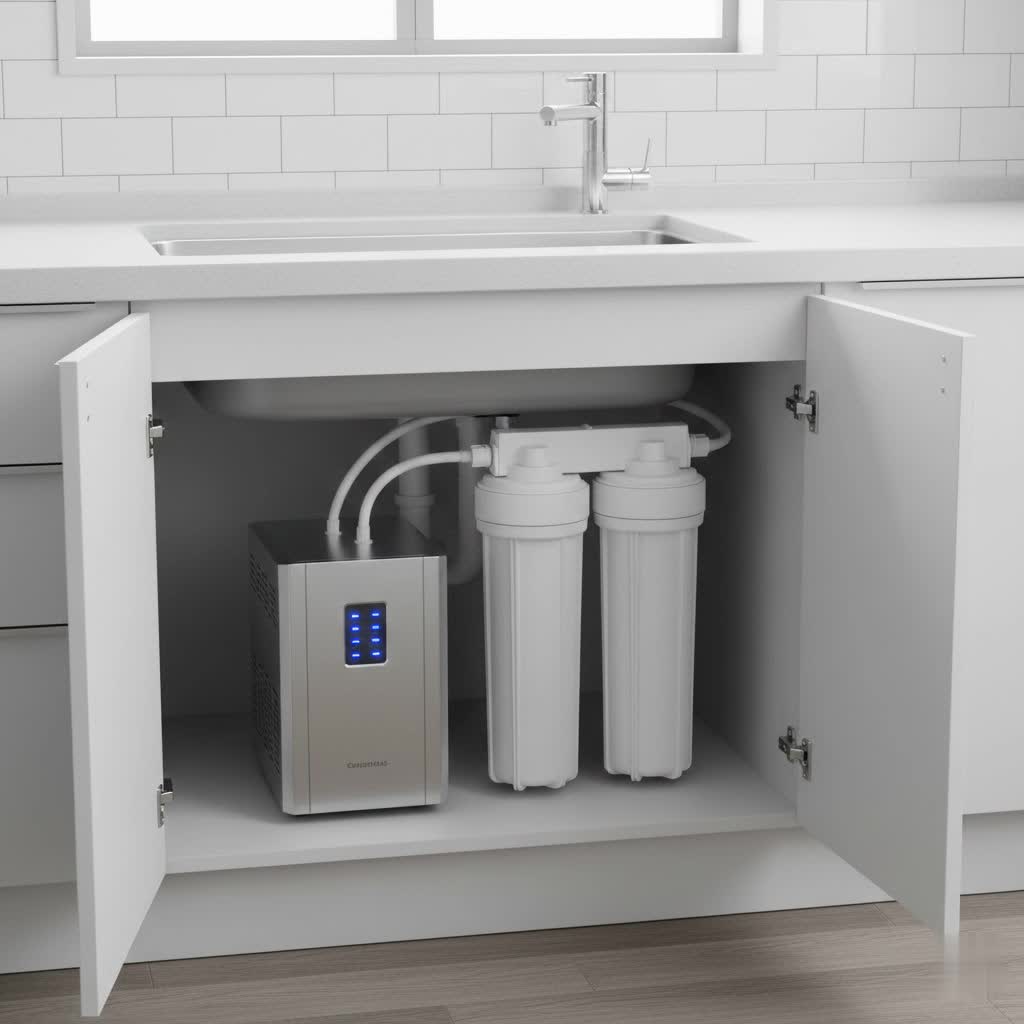
- Reverse Osmosis (RO) Systems: These utilize a semi-permeable membrane to remove dissolved solids, ions, molecules, and larger particles from drinking water. RO systems are highly effective at purifying water but often require electricity, produce wastewater, and can remove beneficial minerals.
- Nano-filtration (NF) Systems: Similar to RO but with slightly larger pores, NF systems can remove viruses, bacteria, and larger organic molecules while often retaining more beneficial minerals than RO. They typically don’t require electricity and produce less wastewater.
- Ultrafiltration (UF) Systems: UF membranes have larger pores than NF, effectively removing suspended solids, bacteria, viruses, and colloids, but generally allow dissolved salts and smaller organic molecules to pass through. Like Nano, they usually operate without electricity and don’t produce wastewater.
- Electrolytic (Alkaline Ionizer) Water Filters: These systems use electrolysis to separate water into alkaline and acidic streams, aiming to produce water with a higher pH that some believe offers health benefits. They are often more expensive and require regular maintenance.
- Pitcher Filters (like LifeStraw Home): These portable systems typically combine a membrane microfilter with activated carbon and ion-exchange filters. They are designed for convenience, improving taste and removing common contaminants, but their comprehensive purification levels can vary significantly.
- Faucet Filters: Easily attach to your existing faucet, providing filtered water on demand. They use various filtration media, often activated carbon, to reduce chlorine, sediment, and some contaminants, offering a convenient alternative to pitcher filters for tap water.
Choosing the Right Water Purifier for Your Home
Selecting a water purifier involves more than just picking a popular brand; it requires a thoughtful assessment of your specific circumstances. Consider these factors:
- Household Size and Water Consumption: A large family will benefit from a higher-capacity system or a faster flow rate. Pitcher filters, with their limited capacity, are often best suited for individuals or small households.
- Source Water Quality: If your tap water has specific contaminants (e.g., high lead levels, known arsenic issues), you’ll need a filter explicitly certified to remove them. Standard pitcher filters might not be sufficient for severely contaminated sources. For municipal water, a basic filter can significantly improve taste and odor.
- Budget: Costs vary widely, from affordable pitcher filters to more expensive under-sink or whole-house RO systems. Factor in both the initial purchase price and ongoing filter replacement costs.
- Installation and Maintenance Preferences: Some systems require professional installation, while pitcher filters are ready to use out of the box. Consider how much effort you’re willing to put into filter changes and cleaning.
- Desired Filtration Level: Do you primarily want better-tasting water, or are you concerned about a wide array of health-related contaminants? This will guide your choice towards basic carbon filtration or more advanced multi-stage systems.
Review: The LifeStraw Home Water Filter Pitcher
The LifeStraw Home Water Filter Pitcher (available in 7-cup and 10-cup variants, often in glass or plastic) presents itself as a stylish solution for everyday hydration. Here’s a detailed look at its core aspects:
Filtration Technology and Performance
The LifeStraw Home employs a dual-stage filtration system: a membrane microfilter and an activated carbon + ion exchange filter.
- Membrane Microfilter: Designed to remove bacteria (99.999999%), parasites (99.999%), and microplastics (99.999%). This is the primary physical barrier for biological contaminants. This filter has a long lifespan, typically lasting for 264 gallons or approximately one year.
- Activated Carbon + Ion Exchange Filter: This stage targets chemical contaminants, reducing lead, mercury, chlorine, herbicides, pesticides, and other chemicals. It also improves water’s taste and odor. This filter typically needs replacement every 40 gallons or about two months.
Performance Highlights:
- Taste and Odor: The pitcher excels at improving the aesthetic qualities of water. Reviewers consistently praise its effectiveness in reducing chlorine and other chemicals that cause unpleasant tastes and smells, producing crisp, fresh-tasting water.
- Core Contaminant Removal: It effectively removes bacteria, parasites, and microplastics, which are common concerns for many households. It also claims to reduce PFAS and meets NSF P473 standard for PFOA/PFOS reduction.
|
Our Picks for the Best Water purifier in 2026
As an Amazon Associate I earn from qualifying purchases.
|
||
| Num | Product | Action |
|---|---|---|
| 1 | Waterdrop G3P600 Reverse Osmosis System, 8 Stage Tankless Reverse Osmosis Water Filter, NSF/ANSI 42 & 53 & 58 & 372 Certified, Under Sink RO System, 2:1 Pure to Drain, Smart LED Faucet |

|
| 2 | DREO Reverse Osmosis Water Filter Countertop, RO Filtration System, 3:1 Pure to Drain, TDS & Filter Life & Autofill Pitcher, Installation-Free, Self-Cleaning Water Purifier, RO Water Filter |
|
| 3 | Bluevua RO100ROPOT Countertop Reverse Osmosis Water Filter System, Portable RO Filtration with Remineralization, No Installation, WQA Certified - ROPOT-UV, 6-Stage RO |
|
| 4 | Brita Large Water Filter Pitcher for Tap and Drinking Water, Includes 1 Standard Filter, BPA-Free, Lasts Two Months, 10-Cup Capacity, Bright White |
|
| 5 | LifeStraw Personal Water Filter for Hiking, Camping, Travel, and Emergency Preparedness |
|
| 6 | Brita 27 Cup Water Filter Dispenser with Elite Filter, NSF Certified to Remove 99% of Lead, Reduces 30 Contaminants Including Microplastics, Mercury & Chlorine, SmartLight Indicator, BPA-Free, Black |
|
| 7 | Brita UltraMax Large Water Dispenser with Standard Filter, BPA-Free, Reduces Copper, Cadmium and Mercury Impurities, Lasts 2 Months or 40 Gallons, 27-Cup |
|
| 8 | PUR 30-Cup Countertop Water Filter Dispenser, 1 Genuine PUR Filter, 2-in-1 Powerful Filtration, Lasts 2 Months or 40 Gallons, Dishwasher Safe, White/Blue (DS1800Z) |
|
| 9 | Brita Metro Water Filter Pitcher with SmartLight Change Indicator, BPA-Free, Replaces 1,800 Plastic Water Bottles a Year, Lasts Two Months, Includes 1 Filter, Small - 6-Cup Capacity, White |
|
| 10 | PUR Plus Vertical Faucet-Mount Water Filtration System, Lead-Reducing Filter, Easy Installation, 100-Gallon Capacity, Compatible with External Aerators, Grey |
|
Areas of Concern (from independent lab testing):
While effective against a range of common impurities, some independent laboratory tests have raised significant concerns regarding the LifeStraw Home’s ability to remove certain heavy metals and other serious contaminants to safe levels. One prominent review indicated that the filter failed to remove uranium, arsenic, lithium, cadmium, and dichloromethane effectively. In some instances, dichloromethane levels were even detected after filtration, though remaining below federal maximum contaminant levels. This suggests that while it performs well for taste and some specific contaminants, its overall purification performance for a broader spectrum of health-related issues may be less comprehensive than other advanced filters on the market.
Design and Build Quality
The LifeStraw Home pitcher stands out for its elegant and modern design.
- Aesthetics: Often described as sleek, non-clunky, and visually appealing, especially the glass variants. Its cone shape offers a distinct look compared to traditional rectangular pitchers, making it suitable for display on kitchen counters.
- Material: Available in durable BPA-free plastic and a premium glass version. The glass option is often preferred for its aesthetic and perceived purity.
- Sturdiness: The pitcher is generally well-built, with a thick and sturdy feel. The handle is designed to provide excellent stability, even when the pitcher is full.
- Convenient Features: It typically features a hands-free lid that opens automatically when water is poured in, simplifying the refilling process. A large spout allows for quick pouring. A clear base helps users monitor the filtered water level.
Usability and Maintenance
The LifeStraw Home aims for user-friendliness but has a few drawbacks in daily use.
- Setup: Initial setup is straightforward, often taking only about a minute after unboxing to prime the filters as recommended.
- Ease of Use: Filling is convenient due to the automatic lid. The pitcher’s design and center of gravity make it relatively easy to hold and pour, even when full.
- Filtration Speed: While not excessively slow, some users find the filtration speed to be moderate. A full reservoir might take around 3-4 minutes to filter, which can be a minor inconvenience for frequent, large volume users. The small reservoir capacity (around 3.33 cups for a 10-cup pitcher) means more frequent refilling.
- Filter Replacement: Replacing the reservoir and filters can be a bit tricky, requiring careful handling of the components. The carbon filter cap, in particular, has been noted as sometimes slippery.
- Cleaning: The silicone parts, vital for sealing, require thorough and regular manual cleaning, which some users find to be a hassle.
Maintenance Costs: The estimated annual maintenance cost for the LifeStraw Home is around $75. This includes replacing the membrane filter annually (approx. $25) and the activated carbon + ion exchange filter every two months (approx. $50/year for six filters). This translates to roughly $0.13 per filtered gallon, depending on usage.
“The LifeStraw Home excels in design and immediate taste improvement, offering a convenient way to enjoy better-tasting water. However, prospective buyers should carefully weigh its aesthetic appeal against the findings of independent lab tests regarding broader contaminant removal.” – Admin of ReviewUB.com, Water Filtration Expert
Comparing the LifeStraw Home to Other Popular Pitcher Filters
When considering the LifeStraw Home, it’s helpful to see how it stacks up against other common water filter pitchers on the market.
| Feature | LifeStraw Home (Glass/Plastic) | Brita Standard Pitcher | PUR Classic Pitcher | ZeroWater 5-Stage Pitcher | Waterdrop 10-Cup Pitcher |
|---|---|---|---|---|---|
| Key Filtration | Microfilter + Carbon/Ion Exchange | Activated Carbon | Activated Carbon | 5-Stage Ion Exchange | Microfilter + Carbon/Ion Exchange |
| Removes | Bacteria, Parasites, Microplastics, Lead, Chlorine, Herbicides, Pesticides | Chlorine, Mercury, Copper, Zinc, Cadmium | Chlorine, Lead, Mercury, Pesticides | TDS, Lead, Chromium, Fluoride, PFAS | Lead, Chlorine, PFAS, Taste, Odor |
| Contaminant Concerns | Uranium, Arsenic, Lithium (per some lab tests) | Limited scope beyond basics | Limited scope beyond basics | None (but can remove beneficial minerals) | Generally highly effective |
| Capacity (approx.) | 7-cup / 10-cup | 6-cup to 18-cup | 7-cup to 11-cup | 7-cup to 10-cup | 10-cup |
| Filter Life | Microfilter: 1 year (264 gal); Carbon: 2 months (40 gal) | 2 months (40 gal) | 2 months (40 gal) | 2-5 months (20-40 gal, TDS dependent) | 2-3 months (200 gal) |
| Filter Cost (Annual Est.) | ~$75 | ~$60-90 | ~$60-90 | ~$60-120 | ~$40-60 |
| Design | Sleek, modern, glass option available | Basic, functional, plastic | Basic, functional, plastic | Functional, clear plastic | Modern, clear, often glass-like |
| Flow Rate | Moderate | Moderate | Moderate | Slow (due to 5-stage) | Fast |
Note: Filtration claims can vary by specific model and are subject to independent lab verification. Always check manufacturer specifications and third-party test results.
Where to Purchase the LifeStraw Home Water Filter Pitcher
The LifeStraw Home Water Filter Pitcher is widely available through various retail channels, ensuring accessibility for most consumers.
- Major Online Retailers: Platforms such as Amazon, Target, and Walmart typically carry the LifeStraw Home pitcher, offering convenience and competitive pricing.
- Authorized Distributors: LifeStraw’s official website is a direct source, often providing the full range of models and colors, along with warranty information and customer support.
- Home Goods and Appliance Stores: Depending on your region, specialty kitchenware or larger electronics and home appliance stores may stock the LifeStraw Home.
Always ensure you purchase from reputable sellers to guarantee product authenticity and warranty coverage.
Maximizing Longevity: Usage and Maintenance Tips
Proper usage and consistent maintenance are crucial for the LifeStraw Home Water Filter Pitcher to perform optimally and last longer.
- Adhere to Filter Replacement Schedules: The membrane microfilter should be replaced approximately every 264 gallons or once a year, while the activated carbon + ion exchange filter requires replacement every 40 gallons or about every two months. Timely replacement ensures continued effective filtration.
- Regular Cleaning: Disassemble and clean all washable parts, especially the silicone seals and reservoir, frequently. This prevents mold, mildew, and bacterial buildup, which can affect water quality and flow rate. Use mild soap and warm water, and ensure all parts are thoroughly rinsed.
- Handle with Care: While sturdy, the glass versions of the pitcher require careful handling to prevent breakage. Avoid dropping or subjecting it to extreme temperature changes.
- Use with Treated Water: The LifeStraw Home is designed to filter already treated municipal tap water to enhance its quality. It is not intended for use with microbiologically unsafe water sources like untreated river or lake water, which require specialized outdoor filtration systems.
Conclusion
The LifeStraw Home Water Filter Pitcher offers a compelling combination of sophisticated design and effective filtration for common water contaminants like chlorine, bacteria, and microplastics. Its aesthetic appeal makes it a welcome addition to any kitchen, moving beyond the purely utilitarian look of many filter pitchers. However, independent testing has highlighted limitations in its ability to remove a broader spectrum of challenging contaminants such as uranium, arsenic, and lithium, suggesting that while it improves taste and addresses key biological concerns, it may not be the most comprehensive solution for highly contaminated water sources.
Ultimately, the LifeStraw Home pitcher is an excellent choice for individuals or small families seeking an easy-to-use, stylish way to enhance the taste and reduce common impurities in their municipal tap water, provided those users are comfortable with its flow rate and specific maintenance requirements. For those with specific concerns about a wider range of heavy metals or severe water quality issues, exploring more robust filtration systems like reverse osmosis might be a more suitable path.
What truly matters to you in a home water filter – unparalleled purification, elegant design, or a balance of both?