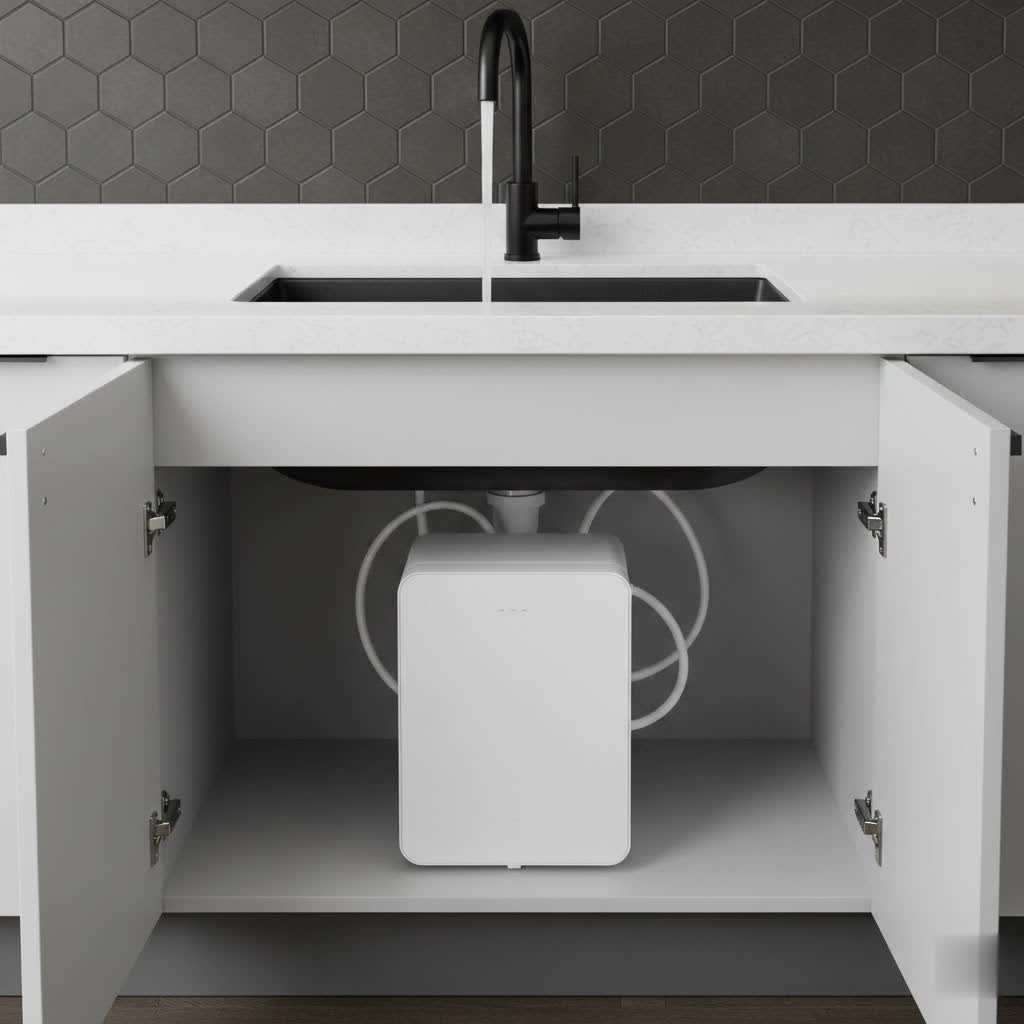
Ensuring your drinking water is clean and safe is paramount for family health. However, many water sources, both municipal and well-based, can harbor insidious threats like arsenic and heavy metals. These contaminants are often undetectable by taste, smell, or sight, yet prolonged exposure can lead to severe health issues. This comprehensive guide will navigate the complex world of water purification, helping you understand the technologies designed to tackle arsenic and heavy metals, compare leading systems, and confidently select the best water purifier for your home.
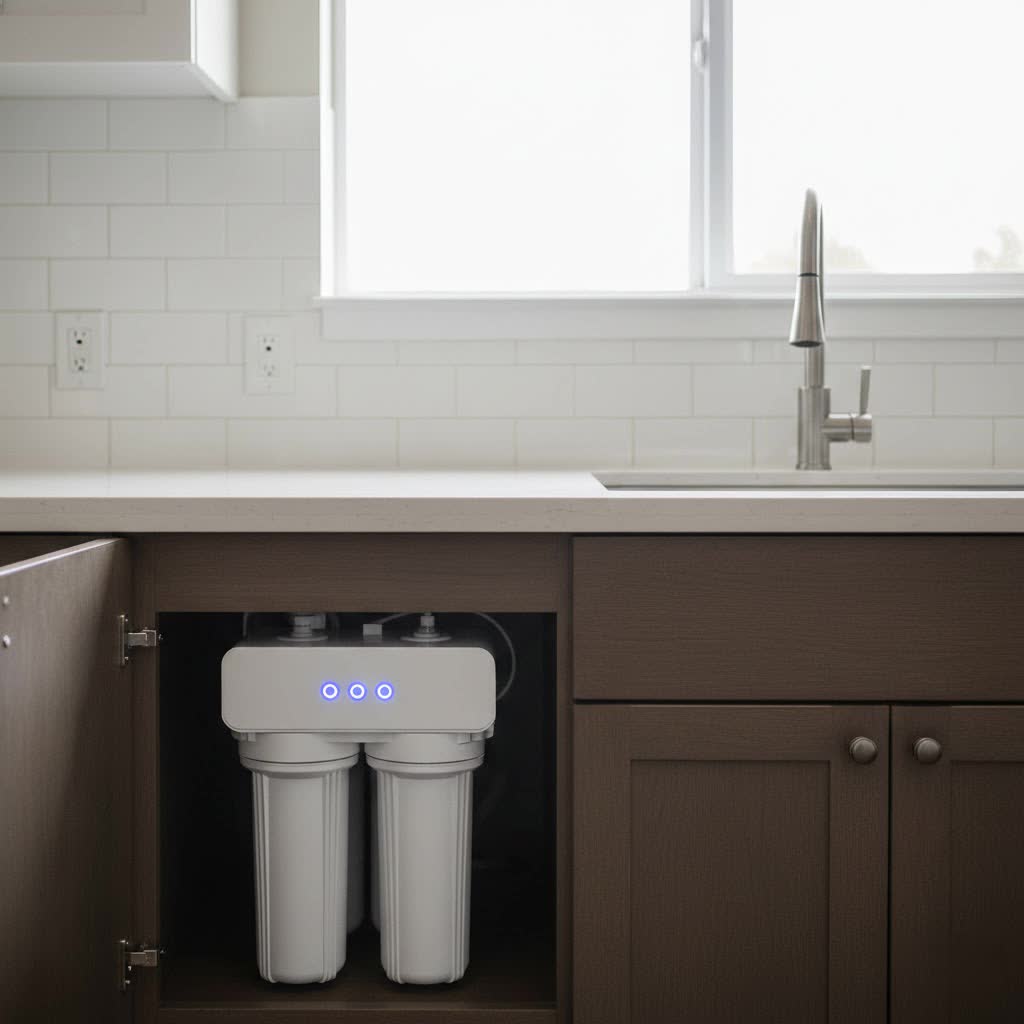
The Silent Threat: Understanding Arsenic and Heavy Metals in Water
Heavy metals and arsenic represent a significant concern in drinking water due to their toxicity and widespread presence. These harmful substances can infiltrate water supplies through various pathways, posing serious health risks to consumers.
Heavy metals, such as lead, mercury, cadmium, and chromium, are naturally occurring elements that become contaminants when present in elevated concentrations. Lead often leaches into water from aging pipes and plumbing fixtures, particularly in older homes. Mercury and cadmium can enter water sources through industrial waste and agricultural runoff, while chromium might be present due to industrial processes. Arsenic, a metalloid, is particularly prevalent in groundwater due to natural geological deposits and agricultural or mining activities. It exists in two primary forms: arsenite (As(III)) and arsenate (As(V)), with arsenite generally being more toxic and challenging to remove.
The health risks associated with consuming water contaminated with these elements are substantial. Lead exposure, especially in children, can cause developmental delays, learning difficulties, and neurological damage. Mercury can also harm the nervous system and kidneys, while cadmium is linked to kidney damage and bone fragility. Long-term ingestion of arsenic is associated with skin lesions, cardiovascular diseases, and an increased risk of various cancers. Given these serious health implications, investing in an effective water purification system is not merely a convenience, but a critical step towards safeguarding your family’s well-being.
Essential Water Purification Technologies for Heavy Metal and Arsenic Removal
When it comes to removing stubborn contaminants like arsenic and heavy metals, not all water purification technologies are created equal. Understanding how each system works is key to making an informed decision.
Reverse Osmosis (RO) Systems
|
Our Picks for the Best Water purifier in 2026
As an Amazon Associate I earn from qualifying purchases.
|
||
| Num | Product | Action |
|---|---|---|
| 1 | LifeStraw Personal Water Filter for Hiking, Camping, Travel, and Emergency Preparedness |

|
| 2 | Bluevua RO100ROPOT Countertop Reverse Osmosis Water Filter System, Portable RO Filtration with Remineralization, No Installation, WQA Certified - ROPOT-UV, 6-Stage RO |
|
| 3 | DREO Reverse Osmosis Water Filter Countertop, RO Filtration System, 3:1 Pure to Drain, TDS & Filter Life & Autofill Pitcher, Installation-Free, Self-Cleaning Water Purifier, RO Water Filter |
|
| 4 | Waterdrop G3P600 Reverse Osmosis System, 8 Stage Tankless Reverse Osmosis Water Filter, NSF/ANSI 42 & 53 & 58 & 372 Certified, Under Sink RO System, 2:1 Pure to Drain, Smart LED Faucet |
|
| 5 | Brita Metro Water Filter Pitcher with SmartLight Change Indicator, BPA-Free, Replaces 1,800 Plastic Water Bottles a Year, Lasts Two Months, Includes 1 Filter, Small - 6-Cup Capacity, White |
|
| 6 | PUR 30-Cup Countertop Water Filter Dispenser, 1 Genuine PUR Filter, 2-in-1 Powerful Filtration, Lasts 2 Months or 40 Gallons, Dishwasher Safe, White/Blue (DS1800Z) |
|
| 7 | Brita UltraMax Large Water Dispenser with Standard Filter, BPA-Free, Reduces Copper, Cadmium and Mercury Impurities, Lasts 2 Months or 40 Gallons, 27-Cup |
|
| 8 | Brita 27 Cup Water Filter Dispenser with Elite Filter, NSF Certified to Remove 99% of Lead, Reduces 30 Contaminants Including Microplastics, Mercury & Chlorine, SmartLight Indicator, BPA-Free, Black |
|
| 9 | PUR Plus Vertical Faucet-Mount Water Filtration System, Lead-Reducing Filter, Easy Installation, 100-Gallon Capacity, Compatible with External Aerators, Grey |
|
| 10 | Brita Large Water Filter Pitcher for Tap and Drinking Water, Includes 1 Standard Filter, BPA-Free, Lasts Two Months, 10-Cup Capacity, Bright White |
|
Reverse Osmosis (RO) is widely regarded as the gold standard for comprehensive water purification, especially for dissolved solids like heavy metals and arsenic. An RO system operates by forcing water under pressure through a semi-permeable membrane. This membrane has incredibly tiny pores, approximately 0.0001 microns, which are small enough to block dissolved inorganic contaminants, including virtually all heavy metals and arsenic, while allowing pure water molecules to pass through.
RO systems are exceptionally effective, capable of removing up to 99% of lead, mercury, arsenic (both As(III) and As(V)), cadmium, and chromium. They also excel at removing fluoride, nitrates, and total dissolved solids (TDS), significantly improving water taste and odor. The primary advantages include unparalleled contaminant removal and improved water quality. However, RO systems do have drawbacks: they typically produce some wastewater as contaminants are flushed away, and they remove beneficial minerals like calcium and magnesium along with the harmful ones. This mineral stripping can be addressed with remineralization filters. RO systems also require electricity to operate and generally have a slower flow rate for purified water, making them best suited for point-of-use (POU) applications like under-sink or countertop units. Look for systems certified by NSF/ANSI Standard 58, which specifically covers RO water treatment systems.
Ion Exchange Filters
Ion exchange technology effectively targets dissolved ions in water, making it a valuable method for removing specific heavy metals and certain forms of arsenic. This process involves passing water through a resin bed containing charged ions, typically sodium, potassium, or hydrogen. As water flows through, the undesirable heavy metal ions (e.g., lead, mercury, cadmium) bind to the resin, exchanging places with the less harmful ions.
Ion exchange is particularly effective for removing lead, mercury, and cadmium, and it can also reduce nitrate and some arsenic levels. A significant advantage of ion exchange is its ability to selectively target specific contaminants while potentially retaining beneficial minerals, depending on the resin type. These systems are often used in water softeners to remove hardness minerals, but specialized resins are available for heavy metal removal. While some ion exchange processes produce no wastewater during filtration, the resin eventually becomes saturated and requires regeneration using a salt or acid solution, which does generate a waste stream. However, ion exchange filters do not remove pathogens or organic pollutants, highlighting their role as a specialized component rather than a standalone solution.
Activated Alumina Filters
Activated alumina filters are specialized adsorption media primarily used for highly effective removal of specific contaminants like arsenic and fluoride. This filtration method utilizes aluminum oxide in a granular form, which has a high surface area and a strong affinity for certain negatively charged ions in water.
Activated alumina is particularly effective at removing arsenic, especially arsenate (As(V)), which often requires pre-oxidation if arsenite (As(III)) is present. It also performs well in reducing fluoride concentrations. The main benefits include its high efficiency for these specific contaminants and its relatively low cost. However, the effectiveness of activated alumina can be sensitive to the water’s pH level; optimal removal typically occurs within a specific pH range. These filters are commonly used as a dedicated stage in multi-stage purification systems or as a point-of-entry solution for targeted arsenic treatment. Regular media replacement is necessary to maintain performance, as the adsorption sites on the alumina eventually become saturated.
KDF (Kinetic Degradation Fluxion) Filtration
KDF (Kinetic Degradation Fluxion) filtration is an advanced media that works through a redox (reduction-oxidation) process to remove chlorine and several heavy metals. This media consists of high-purity copper and zinc granules that create an electrochemical reaction when water passes through them.
KDF media is highly effective at reducing chlorine, chloramines, and hydrogen sulfide. More importantly for our discussion, it can also significantly reduce certain heavy metals, including lead, mercury, and cadmium, by converting them into harmless forms or making them easier for subsequent filters to capture. KDF filters are often incorporated as a pre-filter or a dedicated stage in multi-stage whole-house and point-of-use systems. Their advantages include extending the life of carbon filters and providing broad-spectrum chemical and heavy metal reduction. However, KDF is generally not considered a standalone solution for comprehensive heavy metal or arsenic removal; it is most effective when combined with other technologies like activated carbon or reverse osmosis for a more complete purification process.
Activated Carbon Filters (as part of multi-stage systems)
Activated carbon filters are a ubiquitous component in most water purification systems, primarily known for improving water aesthetics. Activated carbon is a highly porous material that adsorbs impurities through its vast surface area, effectively trapping contaminants as water flows through.
While activated carbon is exceptional at removing chlorine, chloramines, volatile organic compounds (VOCs), pesticides, and improving taste and odor, its effectiveness against dissolved heavy metals and arsenic on its own is limited. It can capture some larger heavy metal particles and certain organic forms of metals. However, for comprehensive removal of dissolved heavy metal ions like lead and arsenic, activated carbon alone is typically insufficient. Therefore, it is most often used as a crucial pre-filter in multi-stage systems, protecting more advanced membranes (like RO) from larger sediment and chlorine, thus extending their lifespan and enhancing overall system performance. Activated carbon is a cost-effective and essential part of any system, but it should not be relied upon as the sole barrier against heavy metal and arsenic contamination.
Comparing Leading Water Purifier Technologies for Arsenic and Heavy Metal Removal
Choosing the right water purification system requires a clear understanding of each technology’s strengths and weaknesses, especially when targeting specific contaminants like arsenic and heavy metals.
| Technology | Primary Contaminants Removed (relevant to topic) | Advantages | Disadvantages | Cost Range (General) | Maintenance (General) |
|---|---|---|---|---|---|
| Reverse Osmosis | Arsenic (all forms), Lead, Mercury, Cadmium, Chromium, Fluoride, TDS | Highest contaminant removal rates (up to 99%) | Wastes water, removes beneficial minerals, slower flow, requires electricity | Medium to High | Membrane/filter replacement (6-24 months) |
| Ion Exchange | Lead, Mercury, Cadmium, sometimes Arsenic, Hardness minerals | Targeted removal, retains beneficial minerals | Not for all contaminants, resin regeneration/replacement | Medium | Resin regeneration/replacement |
| Activated Alumina | Arsenic, Fluoride | Highly effective for specific contaminants | pH-dependent, can require pre-treatment | Low to Medium | Media replacement |
| KDF Filtration | Chlorine, Lead, Mercury, Cadmium (as part of multi-stage) | Extends filter life, broad-spectrum (with carbon) | Not a standalone solution | Low to Medium | Filter replacement (6-12 months) |
| Activated Carbon | Chlorine, Organic compounds, some heavy metals (as pre-filter) | Improves taste/odor, cost-effective | Limited for dissolved heavy metals alone | Low | Filter replacement (3-6 months) |
Each technology plays a vital role in water purification, but their specific capabilities against arsenic and heavy metals vary. For comprehensive protection against a wide spectrum of dissolved inorganic contaminants, Reverse Osmosis systems are generally unmatched. Ion exchange and activated alumina offer excellent targeted removal for specific metals or arsenic forms, often complementing RO or serving as specialized standalone solutions for particular water challenges. KDF and activated carbon are essential for pre-filtration, taste, and odor improvement, and for contributing to overall contaminant reduction in multi-stage systems.
Your Guide to Choosing the Right Water Purifier
Selecting the ideal water purifier for your home involves more than just picking a popular brand; it requires a thoughtful assessment of your specific needs and water quality challenges. Here’s a structured approach to ensure you make the best choice.
First, identify your water quality. The most crucial step is to test your water. If you’re on a municipal supply, your local water provider publishes annual water quality reports detailing common contaminants. However, for well water users, professional laboratory testing is indispensable to identify specific heavy metals, arsenic, bacteria, and other dissolved solids unique to your source. This test will pinpoint exactly which contaminants you need to address.
Next, determine your usage needs. Consider whether you need a Point-of-Use (POU) system, which purifies water at a single tap (like an under-sink or countertop unit for drinking and cooking), or a Point-of-Entry (POE) / Whole-House system, which treats all water entering your home. While whole-house systems offer convenience for showering and general use, for the highest level of arsenic and heavy metal removal for consumption, POU RO systems are often recommended as a complementary solution. Evaluate your budget and long-term maintenance costs, including the initial purchase price and the ongoing expense of filter replacements. Don’t forget to factor in flow rate and water pressure, especially for whole-house systems, to ensure your household water demands are met without significant pressure drops. Lastly, consider space requirements; undersink units are discreet, while countertop models require counter space, and whole-house systems need dedicated utility space.
Always look for certifications from reputable organizations like NSF International (e.g., NSF/ANSI Standard 53 for lead reduction and Standard 58 for RO systems that reduce a broad range of contaminants). These certifications verify that a product performs as claimed. Finally, research reputable brands known for their commitment to quality and effective contaminant removal. Brands like Aquasana, Moen, iSpring, Crystal Quest, AquaTru, Express Water, and US Water Systems frequently appear in top recommendations for heavy metal and arsenic filtration, offering a range of certified products to choose from.
Top Water Purifiers for Arsenic and Heavy Metals in 2024
When it comes to safeguarding your family from arsenic and heavy metals, certain water purifiers consistently stand out for their advanced technology and proven effectiveness. Here are some of the top models and brands to consider in 2024:
-
Moen Reverse Osmosis Water Filtration System: This under-sink RO system is frequently highlighted for its powerful multi-stage filtration, specifically noted for removing up to 99% of arsenic along with a broad spectrum of heavy metals and other pollutants. It provides a reliable solution for clean drinking water right from your tap.
-
Aquasana SmartFlow® Reverse Osmosis: Aquasana’s SmartFlow® RO system combines reverse osmosis with their Claryum® filtration technology, offering superior contaminant reduction. It is certified to remove up to 99.99% of 90 contaminants, including significant levels of fluoride and arsenic, making it a robust choice for comprehensive purification.
-
AquaTru Countertop Water Purifier: For those seeking a powerful and easy-to-install option, the AquaTru countertop RO system is highly praised. It has demonstrated 100% lead removal in independent tests and is certified for reducing a wide array of contaminants, including heavy metals and PFAS “forever chemicals”. Its compact design and minimal installation make it an attractive option for many households.
-
Crystal Quest Arsenic Whole House Filter: If whole-house protection against arsenic is your priority, Crystal Quest offers specialized solutions. Their whole-house arsenic filters often feature proprietary arsenic removal resin, such as iron oxide nanoparticles, designed for comprehensive treatment of your entire water supply.
-
US Water System Defender (Whole House RO): For the ultimate in whole-house purification, the US Water System Defender is a powerful whole-house reverse osmosis system. It is designed to effectively remove all forms of arsenic, along with microbes and other toxic heavy metals, providing exceptionally pure water throughout your home.
-
iSpring RCB3P (Under-sink RO): The iSpring RCB3P is a high-capacity under-sink reverse osmosis system capable of producing a significant volume of purified water daily. It’s an excellent choice for families needing a consistent supply of clean water free from arsenic and heavy metals.
-
Express Water Whole House Heavy Metal Water Filter Set: This multi-stage whole-house system integrates sediment, KDF (Kinetic Degradation Fluxion), and activated carbon block filters. While not an RO system, it provides a cost-effective solution for reducing a wide range of heavy metals, chlorine, and sediment from your entire water supply, complementing point-of-use purifiers for drinking water.
Detailed Comparison Table: Top Water Purifiers for Arsenic and Heavy Metals
Choosing the best water purifier means comparing key features, effectiveness, and maintenance. Here’s a detailed look at some top systems designed for arsenic and heavy metal removal.
| Model | Type | Key Technologies | Contaminants Removed (Focus) | Pros | Cons | Est. Price Range (USD) | Filter Life / Maintenance |
|---|---|---|---|---|---|---|---|
| Moen RO System | Under-sink RO | RO, multi-stage | Arsenic (99%), Heavy Metals | High removal efficiency, compact design, certified. | Specific models can be costly, filter replacements required. | $400 – $600 | 6-12 months |
| Aquasana SmartFlow® RO | Under-sink RO | RO, Claryum®, SmartFlow | Arsenic (99.99%), Fluoride, Heavy Metals | Removes high count of contaminants, efficient flow, certified. | Installation can be complex, higher initial investment. | $350 – $550 | 6-12 months |
| AquaTru Countertop RO | Countertop RO | RO, multi-stage | Lead (100%), Heavy Metals, PFAS | No installation, highly effective, certified, less water waste than some ROs. | Takes up counter space, slower production rate for batches. | $300 – $500 | 6-24 months |
| Crystal Quest Arsenic Whole House | Whole House | Iron oxide nanoparticles, multi-stage | Arsenic, various contaminants | Whole-house protection, specialized arsenic removal media. | Higher initial cost, professional installation often recommended. | $3000 – $4000 | Media replacement (years) |
| Express Water Whole House Heavy Metal | Whole House | Sediment, KDF, Carbon Block | Heavy Metals, Chlorine, Sediment | Cost-effective broad-spectrum whole-house solution. | Not as effective as RO for trace dissolved solids like some arsenic forms. | $200 – $400 | 6-12 months |
“For comprehensive protection against the insidious threats of arsenic and heavy metals, a multi-barrier approach often provides the best defense. Pairing a whole-house system with a point-of-use RO unit for drinking and cooking ensures both convenience and ultimate water purity.”
Where to Purchase Reliable Water Purifiers
Investing in a high-quality water purifier for arsenic and heavy metal removal is a decision that impacts your family’s health, so purchasing from a trusted source is essential. Knowing where to buy ensures authenticity, proper warranty, and access to customer support.
You can typically find a wide selection of water purifiers at specialty water treatment retailers. These stores often employ knowledgeable staff who can provide expert advice tailored to your specific water quality issues and help you navigate complex system choices. Many major home improvement stores like Lowe’s or Home Depot also carry a range of popular under-sink and whole-house systems, with their online platforms often offering an even broader selection. For convenience and competitive pricing, online marketplaces such as Amazon, as well as the official websites of manufacturers like Aquasana, iSpring, Moen, and AquaTru, are excellent options. Purchasing directly from the manufacturer ensures you receive a genuine product with full warranty support. Additionally, some brands operate through networks of authorized dealers or distributors, who can offer professional installation and maintenance services, which is particularly beneficial for complex whole-house systems. Always verify seller reputation and return policies, regardless of your chosen purchase channel, to ensure a smooth and secure transaction.