Worried about the invisible threats lurking in your drinking water? From well water to municipal supplies, microscopic contaminants like bacteria can compromise your family’s health and peace of mind. While many purification methods exist, Ultraviolet (UV) water purifiers offer a uniquely effective, chemical-free solution, specifically targeting these biological invaders. This article delves into the world of UV water purification, exploring its mechanism, proven effectiveness against bacteria, when it’s essential, its advantages, limitations, and how it stacks up against other popular water treatment technologies.
Understanding UV Water Purification: How It Works
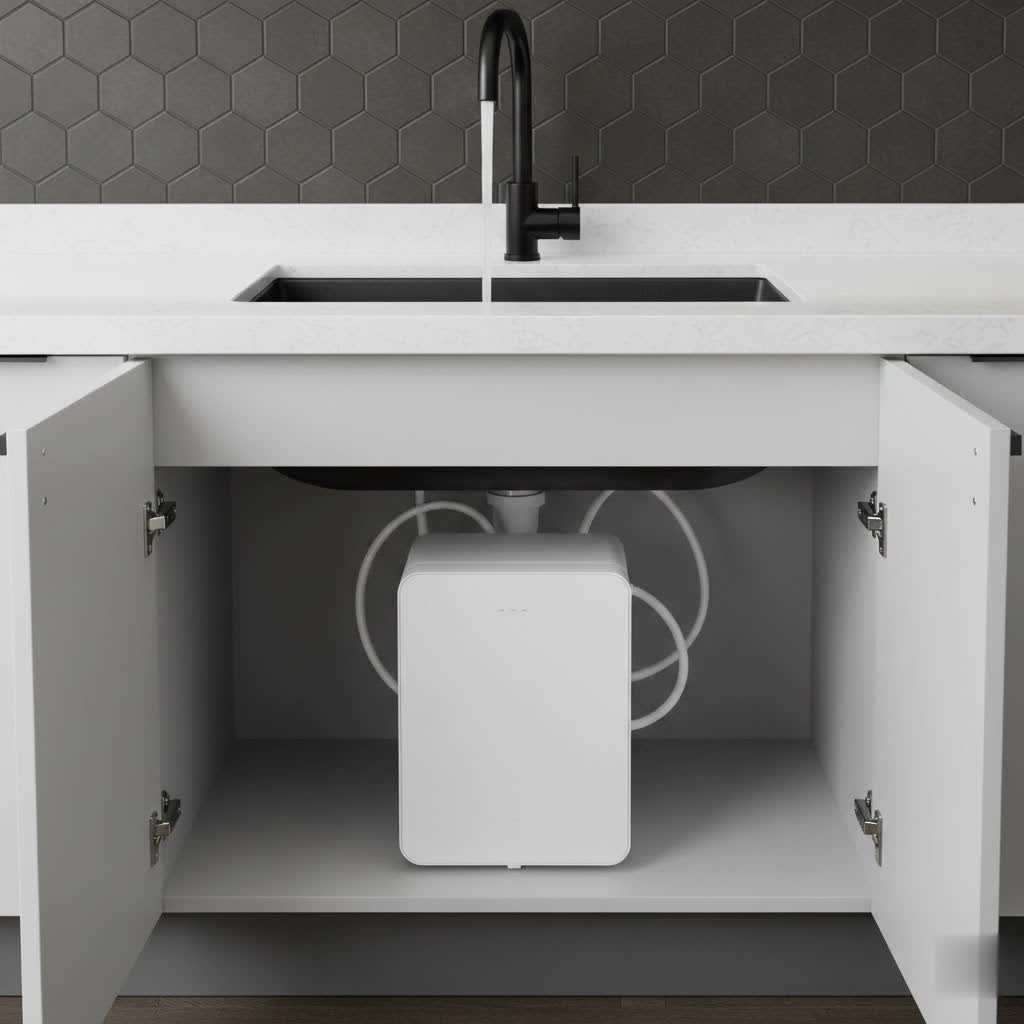
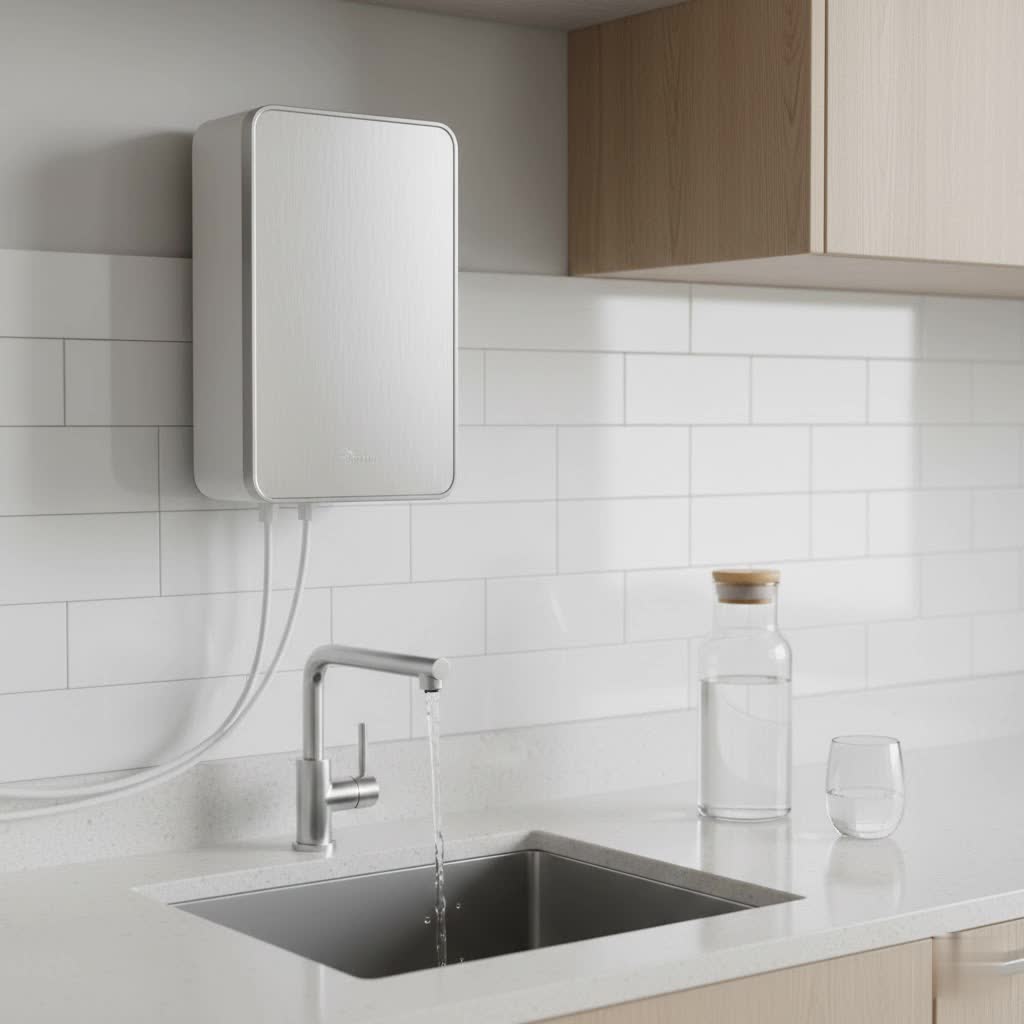
UV water purification is a sophisticated disinfection method that leverages the power of ultraviolet light to neutralize harmful microorganisms. At its core, a UV system consists of a UV lamp encased within a chamber through which water flows. As water passes through, it is exposed to a specific wavelength of ultraviolet light, known as UV-C light, typically in the 200-280 nanometer range, with maximum germicidal effect around 260-265 nm.
This UV-C light acts by penetrating the cell walls of bacteria, viruses, fungi, protozoa, and cysts, directly impacting their genetic material—DNA and RNA. The intense UV radiation scrambles the internal DNA structure, rendering the microorganisms unable to reproduce or function. If a microorganism cannot replicate, it cannot cause illness or infect other organisms. This entire process is remarkably swift, often deactivating microbes within just ten seconds as water flows past the lamp. Importantly, this method achieves thorough disinfection without introducing any chemicals into your water, preserving its natural taste, odor, and pH.
Are UV Water Purifiers Effective Against Bacteria?
Absolutely. UV water purifiers are exceptionally effective, designed specifically to eliminate microbiological contaminants. Studies and real-world applications consistently show that UV systems can destroy up to 99.99% of harmful microorganisms, including a wide array of bacteria, viruses, protozoa, and cysts. This makes them a robust defense against common waterborne pathogens such as E. coli, Salmonella, Giardia, and Cryptosporidium.
However, it’s crucial to understand a key factor for optimal performance: water clarity. UV light travels in straight lines, so any turbidity, sediment, or particulate matter in the water can create “shadows,” shielding microorganisms from the germicidal rays. For instance, while highly effective, some resilient organisms like certain Cryptosporidium oocysts and Giardia cysts might have thicker cell walls that low-power UV systems could struggle to penetrate, necessitating higher-power or specifically designed UV systems for complete inactivation. Therefore, pre-filtration to remove sediment and other particles is a vital prerequisite for any UV water purification system to ensure maximum efficacy against bacteria and other pathogens.
When Do You Need a UV Water Purifier?
The necessity of a UV water purifier largely depends on your water source and specific concerns about microbiological contamination. These systems are highly recommended in several scenarios:
- Private Well or Surface Water: If your home relies on well water, spring water, or other surface water sources (like streams or lakes), a UV purifier is an essential safeguard. These sources are inherently vulnerable to bacterial and viral contamination from environmental factors, agricultural runoff, or wildlife.
- Boil Water Advisories: During boil water advisories issued by municipal authorities, a UV system can provide immediate protection by deactivating pathogens, making your water safe without the need for boiling.
- Supplemental Municipal Water Protection: Even if you receive municipal water, which is typically treated with chemicals like chlorine, a UV system can serve as an extra layer of protection against potential breaches in infrastructure or unexpected contamination events. It ensures your water is free from residual chlorine byproducts while adding robust germicidal protection.
- Chemical Sensitivity: For those who prefer to avoid chemical disinfectants like chlorine or have sensitivities to them, UV purification offers an excellent chemical-free alternative that leaves no residual taste or odor.
UV systems are often categorized into Class A and Class B. Class A UV systems are designed for water with known microbiological contaminants, such as untreated well or surface water. Class B systems are intended for supplemental bactericidal treatment of water that is already disinfected.
Advantages of UV Water Purifiers
UV water purifiers offer a compelling suite of benefits that make them a popular choice for enhancing water safety:
- Chemical-Free Disinfection: Perhaps the most significant advantage is that UV purification uses no chemicals. This means no altered taste, no strange odors, and, crucially, no harmful disinfection byproducts that can be associated with chemical treatments like chlorination.
- Exceptional Efficacy: As discussed, UV light is incredibly effective at neutralizing a broad spectrum of waterborne pathogens, providing a high level of protection against diseases.
- Environmentally Friendly: Without the use of chemicals or the generation of wastewater (unlike some other filtration methods), UV systems are an eco-conscious choice for water treatment.
- Low Operating Costs: While the initial investment might vary, UV purifiers are generally energy-efficient, often consuming power comparable to a standard light bulb. The primary recurring cost is the annual replacement of the UV lamp, which is relatively inexpensive.
- Low Maintenance: Beyond the yearly bulb change and occasional cleaning of the quartz sleeve, UV systems are largely “set and forget” devices, requiring minimal hands-on maintenance compared to systems with multiple filters.
- Immediate Treatment: The disinfection process is instantaneous; as water flows through the chamber, it is treated, providing on-demand safe water without holding times.
“UV light acts as a targeted kill switch for living organisms, disrupting their ability to reproduce without adding anything to the water. This makes it an ideal choice for those prioritizing pure, natural water quality free from chemical residues.” – Dr. Eleanor Vance, Environmental Health Specialist
Limitations of UV Water Purifiers
Despite their numerous benefits, UV water purifiers are not a standalone solution for all water quality issues. Understanding their limitations is key to choosing the right system for your needs:
- No Removal of Non-Biological Contaminants: UV light specifically targets living microorganisms. It does not remove sediment, rust, heavy metals (like lead or mercury), dissolved minerals, chlorine, chloramines, volatile organic compounds (VOCs), pesticides, or other chemical pollutants. If these contaminants are present in your water, additional filtration steps are necessary.
- Requires Pre-Filtration: For UV light to be effective, the water must be clear. Turbidity or suspended particles can shield microbes from the UV rays, severely reducing disinfection efficiency. Therefore, a pre-filter (often a sediment filter) is almost always required to ensure optimal performance.
- Electricity Dependent: UV systems rely on electricity to power the UV lamp. In the event of a power outage, the system will not function, meaning no disinfection will occur until power is restored. This makes them unsuitable as a sole emergency water treatment method without a backup power source.
- Does Not Physically Remove Particles: While UV inactivates microorganisms, it doesn’t physically remove their inert bodies from the water. For most purposes, this is not an issue, but some may prefer physical removal, which requires additional filtration stages.
- Initial Cost: The upfront cost of a quality UV water purification system can sometimes be higher than basic filtration options, although this is often offset by lower ongoing operational costs.
UV vs. Other Water Purification Technologies for Bacteria Removal
When considering water purification, UV systems are often compared with other popular technologies like Reverse Osmosis (RO) and Ultrafiltration (UF). Each has distinct strengths, especially concerning bacterial removal.
UV vs. Reverse Osmosis (RO)
- Mechanism: UV uses germicidal light to inactivate microorganisms, while RO uses a semi-permeable membrane to physically block and filter out contaminants.
- Bacterial Removal: UV excels as a dedicated sterilizer, deactivating virtually all bacteria and viruses. RO systems are also highly effective at removing bacteria and viruses due to their incredibly fine membrane pores (typically 0.0001 microns), which are smaller than most pathogens.
- Other Contaminants: This is where they diverge significantly. RO is superior at removing dissolved solids like heavy metals, salts, chemicals, and improving taste/odor from these contaminants. UV does not address these non-biological impurities.
- Water Wastage: RO systems typically produce some wastewater during the purification process. UV systems, on the other that, do not waste water.
- Maintenance: UV requires annual bulb replacement. RO systems require periodic filter changes (every 6-12 months) and membrane replacement (every 2-3 years), which can be more involved.
|
Our Picks for the Best Water purifier in 2026
As an Amazon Associate I earn from qualifying purchases.
|
||
| Num | Product | Action |
|---|---|---|
| 1 | Brita Large Water Filter Pitcher for Tap and Drinking Water, Includes 1 Standard Filter, BPA-Free, Lasts Two Months, 10-Cup Capacity, Bright White |

|
| 2 | DREO Reverse Osmosis Water Filter Countertop, RO Filtration System, 3:1 Pure to Drain, TDS & Filter Life & Autofill Pitcher, Installation-Free, Self-Cleaning Water Purifier, RO Water Filter |
|
| 3 | LifeStraw Personal Water Filter for Hiking, Camping, Travel, and Emergency Preparedness |
|
| 4 | Brita 27 Cup Water Filter Dispenser with Elite Filter, NSF Certified to Remove 99% of Lead, Reduces 30 Contaminants Including Microplastics, Mercury & Chlorine, SmartLight Indicator, BPA-Free, Black |
|
| 5 | Bluevua RO100ROPOT Countertop Reverse Osmosis Water Filter System, Portable RO Filtration with Remineralization, No Installation, WQA Certified - ROPOT-UV, 6-Stage RO |
|
| 6 | Brita Metro Water Filter Pitcher with SmartLight Change Indicator, BPA-Free, Replaces 1,800 Plastic Water Bottles a Year, Lasts Two Months, Includes 1 Filter, Small - 6-Cup Capacity, White |
|
| 7 | Waterdrop G3P600 Reverse Osmosis System, 8 Stage Tankless Reverse Osmosis Water Filter, NSF/ANSI 42 & 53 & 58 & 372 Certified, Under Sink RO System, 2:1 Pure to Drain, Smart LED Faucet |
|
| 8 | PUR Plus Vertical Faucet-Mount Water Filtration System, Lead-Reducing Filter, Easy Installation, 100-Gallon Capacity, Compatible with External Aerators, Grey |
|
| 9 | Brita UltraMax Large Water Dispenser with Standard Filter, BPA-Free, Reduces Copper, Cadmium and Mercury Impurities, Lasts 2 Months or 40 Gallons, 27-Cup |
|
| 10 | PUR 30-Cup Countertop Water Filter Dispenser, 1 Genuine PUR Filter, 2-in-1 Powerful Filtration, Lasts 2 Months or 40 Gallons, Dishwasher Safe, White/Blue (DS1800Z) |
|
UV vs. Ultrafiltration (UF)
- Mechanism: UV inactivates microorganisms with light. UF uses a physical membrane filter with pore sizes typically around 0.01 microns to physically remove contaminants.
- Bacterial Removal: Both are highly effective against bacteria and viruses. UF physically removes them by trapping them in its membrane, while UV deactivates them. UF membranes can also effectively filter out larger pathogens and suspended solids.
- Dissolved Minerals: Both UV and UF generally retain beneficial dissolved minerals in the water, unlike RO, which can remove them.
- Electricity: UV systems always require electricity. UF systems can often operate solely on water pressure, though some might use a pump.
- Maintenance: UV requires bulb replacement. UF membranes need periodic cleaning or backwashing and eventual replacement.
The Power of Combination Systems
For the most comprehensive water purification, especially when dealing with complex water quality issues, UV is often integrated into a multi-stage system. A common and highly effective setup includes:
- Sediment Pre-filter: Removes larger particles that could block UV light or clog other filters.
- Activated Carbon Filter: Removes chlorine, chloramines, chemicals, and improves taste and odor.
- UV Sterilizer: Provides robust disinfection against bacteria, viruses, and other microorganisms.
- (Optional) Reverse Osmosis Unit: For further removal of dissolved solids, heavy metals, and specific chemical contaminants.
This layered approach ensures that water is physically filtered, chemically purified, and biologically disinfected, offering the highest level of protection.
Choosing and Maintaining Your UV Water Purifier
Selecting the right UV water purifier involves considering your specific needs and water conditions:
- Water Source Assessment: Understand your primary water source (well, municipal, surface) and consider having your water tested to identify all contaminants present, not just biological ones.
- Flow Rate: Choose a UV system with a flow rate (gallons per minute, or gpm) that matches your household’s peak water demand to ensure all water is adequately treated.
- Pre-Treatment Needs: Almost all UV systems benefit from pre-filtration, typically a 5-micron sediment filter, to ensure water clarity and maximize UV effectiveness. Additional filters like carbon filters might be needed for chemical reduction.
- Brand Reputation and Certifications: Opt for reputable brands and systems certified by organizations like NSF International or the Water Quality Association (WQA).
Proper maintenance is critical for continued effectiveness:
- Annual UV Lamp Replacement: The UV lamp has a finite lifespan, typically around 8,000 to 10,000 hours, or about one year of continuous operation. Even if it still glows, its germicidal intensity diminishes over time, so replace it annually.
- Clean the Quartz Sleeve: The UV lamp is housed in a quartz sleeve that needs periodic cleaning to prevent mineral buildup and maintain optimal UV light transmission.
- Monitor Pre-filters: Regularly check and replace any pre-filters (sediment, carbon) as recommended by the manufacturer. Clogged pre-filters can reduce water flow and overall system efficiency.
- Professional Inspection: Consider an annual professional check-up for your entire water treatment system to ensure everything is functioning correctly.
In conclusion, UV water purifiers are an exceptional tool for ensuring microbiologically safe water, particularly effective at neutralizing bacteria and other pathogens without chemicals. While they don’t remove all contaminants, their role as a powerful disinfectant makes them an invaluable component of a comprehensive water treatment strategy, especially when coupled with appropriate pre-filtration. Investing in a UV system can provide significant peace of mind, knowing your family’s water is protected from unseen biological threats.
How will you ensure your family’s water safety in the face of evolving water quality challenges?
Frequently Asked Questions
Do UV water purifiers remove viruses?
Yes, UV water purifiers are highly effective against viruses, protozoa, and other microorganisms, not just bacteria. The UV-C light targets and inactivates their DNA, preventing them from reproducing and causing illness.
Can a UV purifier remove chemicals?
No, UV water purifiers are designed to inactivate microorganisms and do not remove chemical contaminants such as chlorine, heavy metals, pesticides, or dissolved solids. For chemical removal, a multi-stage system incorporating activated carbon filters or a reverse osmosis system is recommended.
How often should I change the UV lamp?
The UV lamp typically needs to be replaced annually, or approximately every 8,000 to 10,000 hours of continuous operation. Even if the lamp still emits light, its germicidal effectiveness diminishes over time, making regular replacement crucial for consistent water safety.
Is UV light safe to drink?
The water treated by a UV purifier is safe to drink because the UV light itself does not remain in the water or alter its chemical composition. The UV-C light simply deactivates harmful microorganisms as the water passes through the treatment chamber.
What kind of pre-filtration is needed for a UV system?
At a minimum, a 5-micron sediment filter is typically recommended before a UV system. This removes larger particles and turbidity that could shield microorganisms from the UV light, ensuring maximum disinfection efficiency. Additional filters, like activated carbon, may be needed for specific chemical concerns.