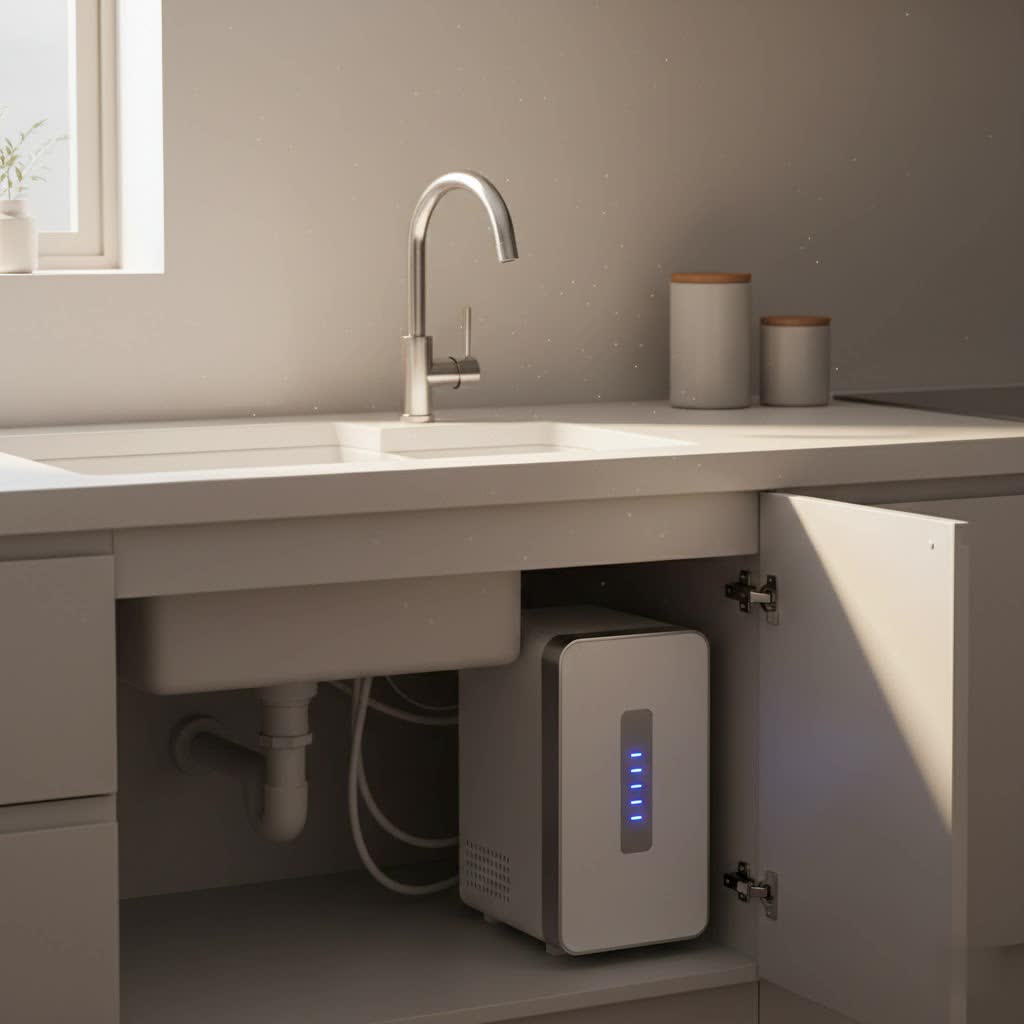
Living in a small kitchen often means every inch of space is precious, and countertop clutter is the enemy. Yet, the desire for clean, healthy drinking water remains a top priority for every household. Imagine transforming your tap water into a pure, refreshing source, all while keeping your kitchen counters clear and your under-sink cabinet organized. This guide is crafted to help you navigate the world of under sink water filters, focusing on compact, efficient solutions perfect for smaller living spaces. You’ll discover the diverse technologies available, learn how to select a system tailored to your unique needs, and explore top models that deliver exceptional filtration without sacrificing valuable real estate.
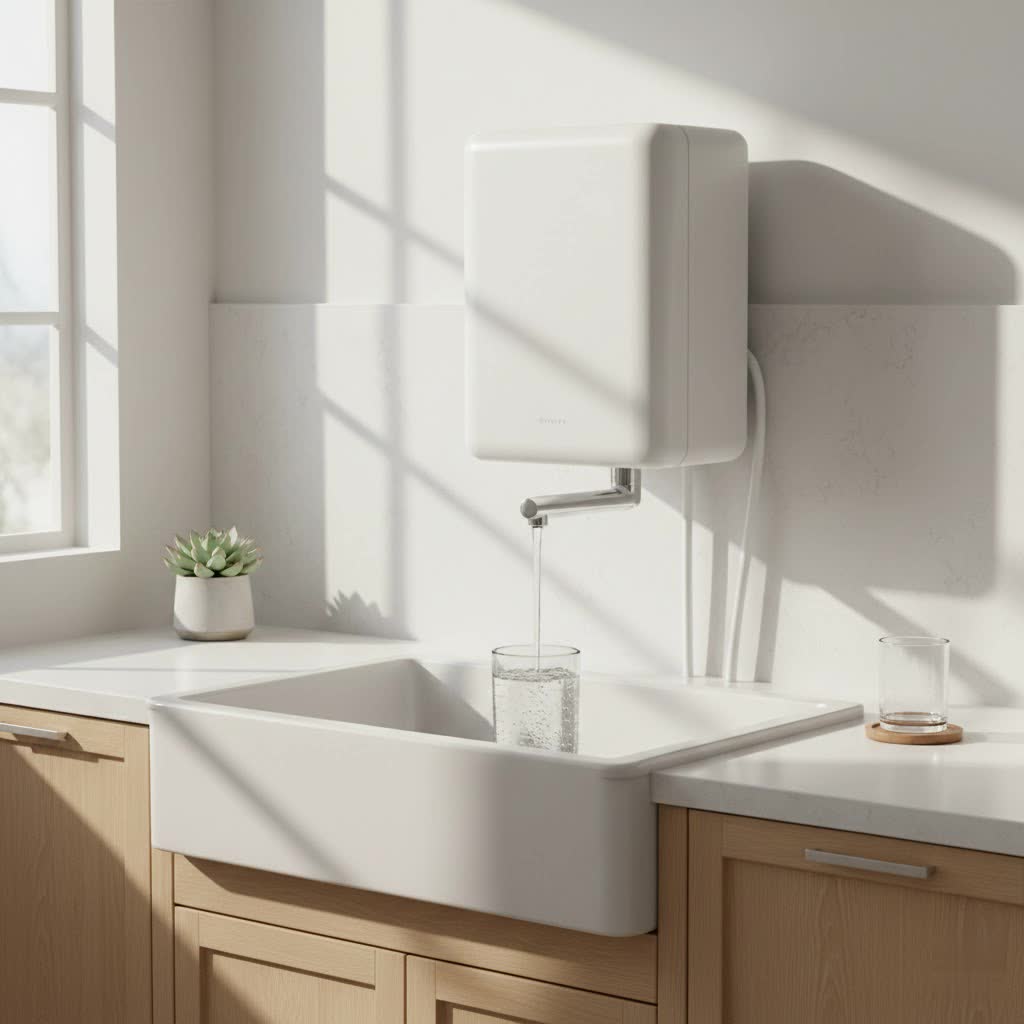
Understanding Under Sink Water Filter Technologies
Choosing the right under sink water filter for a small kitchen begins with understanding the core filtration technologies. Each method excels at removing different contaminants and offers distinct benefits, particularly regarding system size and efficiency.
Activated Carbon (AC) Filters
Table is empty.Activated carbon filters are a popular choice, primarily known for their ability to significantly improve water taste and odor. These filters work by adsorbing impurities as water passes through a bed of activated carbon. They are highly effective at reducing chlorine, chloramines, and volatile organic compounds (VOCs). They are typically compact, making them a good fit for tight spaces, and are often easy to install, requiring minimal plumbing changes. However, activated carbon alone has limitations; it generally does not remove dissolved solids like heavy metals, fluoride, or many types of bacteria and viruses.
Reverse Osmosis (RO) Systems
Reverse osmosis systems offer the most comprehensive filtration available for residential use. Water is forced through a semi-permeable membrane that traps an extensive range of contaminants, including heavy metals like lead and arsenic, fluoride, nitrates, PFAS (per- and polyfluoro-alkyl substances), microplastics, and total dissolved solids (TDS), as well as many bacteria and viruses. While traditional RO systems can be bulky due to a storage tank and produce some wastewater, newer tankless RO designs are remarkably compact and highly efficient, making them viable for small kitchens. These advanced systems provide broad protection, delivering exceptionally pure water directly from your faucet.
Ultrafiltration (UF) Systems
Ultrafiltration systems utilize a hollow fiber membrane with a pore size smaller than many bacteria and viruses but larger than dissolved solids. This technology effectively removes suspended solids, bacteria, viruses, cysts, and other large particles from water. A key advantage of UF is that it retains beneficial minerals naturally present in the water, and unlike RO, it typically does not produce wastewater. UF systems generally do not require electricity, are relatively compact, and offer a good balance of effective contaminant removal with mineral retention, making them a solid choice for improving microbiological safety without stripping water entirely.
Nanofiltration (NF) Systems
Nanofiltration falls between ultrafiltration and reverse osmosis in terms of filtration fineness. NF membranes have slightly larger pores than RO membranes, allowing some beneficial minerals to pass through while still effectively removing many dissolved solids, heavy metals, pesticides, and viruses. Compared to RO, nanofiltration typically operates at lower pressure, produces less wastewater, and retains a higher percentage of beneficial minerals, resulting in water with a more natural taste profile. While less common in compact under-sink units, some advanced systems may incorporate NF technology to strike a balance between comprehensive purification and mineral retention.
Alkaline/Remineralization Filters
Many advanced filtration systems, particularly RO units, incorporate an alkaline or remineralization stage. Since reverse osmosis removes nearly everything from water, including beneficial minerals, this stage adds essential minerals like calcium and magnesium back into the filtered water. This not only improves the water’s taste, giving it a crisp, natural feel, but also restores a balanced pH level, contributing to healthier hydration. For those concerned about the “flat” taste often associated with highly purified RO water, a remineralization filter is an excellent addition.
Electrolytic (Ionized Water) Purifiers
Electrolytic Water Purifiers, often referred to as water ionizers, use electrolysis to separate water into alkaline and acidic streams, creating “ion-rich” water with various purported health benefits. These systems typically produce water with altered pH levels and may contain molecular hydrogen. While they can enhance water properties, they are generally larger and more complex units, requiring a dedicated installation. They are less focused on contaminant removal compared to RO or UF systems and are less common as compact under-sink solutions for small kitchens, serving a more specialized wellness intent rather than primary filtration.
Comparing Under Sink Water Filter Technologies for Small Kitchens
When choosing an under sink filter for a small kitchen, balancing powerful filtration with a compact design is essential. Here’s a comparison to help you weigh your options:
| Technology | Pros for Small Kitchens | Cons for Small Kitchens | Contaminants Removed (Key) | Space Factor | Maintenance | Cost Range (Approx.) |
|---|---|---|---|---|---|---|
| Activated Carbon | Compact, easy DIY install, no waste, retains minerals. | Limited contaminant scope. | Chlorine, Chloramines, VOCs, sediment, taste, odor. | Very compact | Easy, infrequent filter change | Low ($50-$150) |
| Reverse Osmosis | Best contaminant removal; tankless options are compact. | Can waste water (tanked), removes minerals, slower flow. | Lead, PFAS, microplastics, TDS, bacteria, viruses, nitrates, fluoride. | Tankless: Compact; Tanked: Bulky | Moderate, filter change + membrane | High ($200-$1000+) |
| Ultrafiltration | Retains minerals, no waste, no electricity, compact. | Doesn’t remove dissolved solids/chemicals. | Bacteria, viruses, cysts, sediment. | Compact | Easy, infrequent filter change | Medium ($100-$300) |
| Nanofiltration | Retains some minerals, less waste than RO. | Less comprehensive than RO for TDS. | Bacteria, viruses, some heavy metals, some TDS. | Compact | Moderate, filter change | Medium ($250-$700) |
| Electrolytic | Niche benefit (ionized water). | Bulky, less focus on contaminant removal, typically larger. | Alters pH, adds molecular hydrogen (primary function). | Often large | Regular cleaning, electrode maintenance | Very High ($500-$2000+) |
For small kitchens, the space factor is paramount. Activated carbon filters and tankless RO systems often stand out for their minimal footprint. While UF and NF systems also offer compact designs, their primary focus might be different. Consider your specific water quality issues to match the filtration power with your available space.
Key Factors When Choosing an Under Sink Water Filter for Your Small Kitchen
Selecting the best under sink water filter for your small kitchen involves a careful assessment of several factors. By prioritizing what matters most to you, you can ensure a perfect fit for both your space and your water quality needs.
Water Quality Assessment
Before diving into filter specifications, understanding your local water quality is crucial. You can often obtain a water quality report from your municipal water supplier. Alternatively, home water testing kits can identify specific contaminants like lead, chlorine, hardness, and PFAS. Knowing what impurities are present will help you choose a filter specifically designed to address those concerns, preventing unnecessary expense on features you don’t need.
Filtration Needs vs. Space Constraints
This is the core challenge for small kitchens. Do you need extensive contaminant removal, such as with an RO system, or primarily taste and odor improvement from a carbon filter? While RO offers superior purification, traditional models can be bulky. For compact spaces, explore tankless RO systems or multi-stage carbon filters that deliver robust filtration within a smaller footprint. Assess the available height, width, and depth under your sink to ensure the chosen unit fits comfortably alongside other essentials.
System Size and Design
The physical dimensions of the filter system are paramount.
- Tankless vs. Tank: Tankless RO systems are a game-changer for small kitchens, eliminating the large storage tank and saving significant space.
- Single Cartridge vs. Multi-Stage: Simpler single-cartridge filters are very compact but offer less comprehensive filtration. Multi-stage systems, while effective, require more cartridges and thus more space. Look for designs that feature vertical or inline cartridges to maximize vertical storage.
- Manifold Design: Some systems combine multiple filters into a single manifold, which can be more space-efficient than individual filter housings.
Installation & Maintenance
Consider your comfort level with DIY projects. Many compact under-sink filters are designed for easy, tool-free installation, often connecting directly to your existing cold water line. Systems like the Waterdrop 15UA or Sentry Wellness System are praised for their quick, no-plumber installation, making them ideal for renters or those who prefer simplicity. Factor in the ease and cost of filter replacement. Quick-change cartridges are highly convenient, minimizing mess and effort. Check the filter life (in gallons or months) and the annual cost of replacement filters to get a clear picture of long-term maintenance.
Flow Rate and Water Waste
For daily use, a good flow rate is important, especially for filling pots or multiple glasses. While RO systems can sometimes have slower flow, many modern tankless RO units offer impressive GPD (gallons per day) rates for instant, high-volume water delivery. Water waste is another consideration. Traditional RO systems can waste 2-3 gallons of water for every gallon purified. If water conservation is a priority, consider zero-waste systems like the Sentry Wellness System or non-RO carbon/UF filters, which produce no wastewater during filtration.
Certifications
Reliable certifications are your assurance of a filter’s performance. Look for systems certified by independent third parties to NSF/ANSI (National Sanitation Foundation/American National Standards Institute) standards.
- NSF/ANSI 42: Addresses aesthetic issues like chlorine, taste, and odor.
- NSF/ANSI 53: Covers health-related contaminants, including lead, cysts, and VOCs.
- NSF/ANSI 58: Specific to Reverse Osmosis drinking water treatment systems.
- NSF/ANSI 401: Certifies reduction of emerging contaminants, such as pharmaceuticals and pesticides.
- NSF/ANSI 372: Ensures lead-free materials in plumbing products.
Budget
Under sink filters vary widely in price, from budget-friendly carbon filters to premium RO systems. Remember to account for both the initial purchase cost and the ongoing expense of replacement filters. A seemingly cheap unit might have costly filters that need frequent changing, increasing your overall annual cost.
Added Features
Some filters come with convenient extras. A dedicated faucet with a filter life indicator can be a huge help, signaling when it’s time for a change. Smart faucets on advanced RO systems can display TDS levels and remaining filter life, offering real-time insights into your water quality and system status.
Top Under Sink Water Filters for Small Kitchens in 2024
Selecting the ideal under sink water filter means finding a model that balances powerful filtration with a design optimized for limited space. Based on expert reviews and performance metrics, several systems stand out as excellent choices for small kitchens:
-
Waterdrop G3P800 Tankless RO System: This model is frequently praised as a top-tier option, especially for its compact, tankless design that saves significant under-sink space while delivering high-output reverse osmosis filtration. It’s known for its ability to remove a broad spectrum of contaminants, including PFAS and microplastics, and often features a smart faucet with a TDS display.
-
Clearly Filtered 3-Stage Under Sink System: For those seeking robust contaminant coverage without the wastewater of RO, the Clearly Filtered 3-Stage system is an excellent non-RO option. It’s designed to remove over 200 contaminants, including lead, fluoride, and VOCs, while retaining beneficial minerals, providing a crisp, natural water taste. Its design aims for good performance in a reasonable footprint.
-
Aquasana Claryum 3-Stage Max Flow: Aquasana’s Claryum technology combines multiple filtration methods to tackle 78+ contaminants, including lead, cysts, VOCs, PFAS, and microplastics. This system offers a strong balance of filtration and flow rate in a relatively compact design. It’s a great choice for city water users looking for comprehensive protection without resorting to a full RO system.
-
Sentry Wellness System: Specifically engineered for apartment dwellers and small spaces, the Sentry Wellness System features a 5-stage filtration process that removes a wide array of contaminants. A key highlight is its zero-waste technology, which eliminates the water waste associated with many RO systems. It also enriches water with essential minerals and boasts an ultra-compact design with simple, no-plumber installation, making it perfect for renters.
-
Frizzlife MK99 Under Sink Filter: This system offers a budget-friendly and compact solution, excelling in quick DIY installation and maintaining a near tap-speed flow. It’s certified for chlorine, lead, and cyst reduction, providing a noticeable improvement in taste and odor for those on municipal water, without demanding much under-sink space.
-
Waterdrop 15UA Under Sink Inline Filter: As a highly compact, direct-connect inline filter, the Waterdrop 15UA is an excellent option for renters or anyone needing a space-saving solution. It offers near tap-speed flow and is certified for chlorine, lead, and VOCs, making it a simple yet effective upgrade for everyday taste and odor improvement.
These models represent a range of technologies and price points, all with a focus on delivering clean, safe water efficiently in smaller kitchen environments.
Detailed Comparison of Top Compact Under Sink Water Filters
To make an informed decision for your small kitchen, comparing the key features of leading compact under sink water filters is essential. This table highlights how some top models stack up.
| Model | Technology | Key Feature for Small Kitchens | Contaminants Removed (Certified) | Pros | Cons | Price Range (Approx.) | Filter Life/Cost (Annual) |
|---|---|---|---|---|---|---|---|
| Waterdrop G3P800 | Tankless RO | Ultra-compact RO, smart faucet | PFAS, microplastics, lead, TDS, bacteria, viruses | Most comprehensive filtration, fast flow, real-time TDS. | Higher initial cost, needs power outlet, taste can be flat without remineralization. | $700 – $900 | ~$170 |
| Clearly Filtered 3-Stage | Carbon + Ion Exchange | No second faucet, mineral retention | 200+ (lead, fluoride, THMs, VOCs, PFAS) | Excellent broad-spectrum non-RO, natural taste. | Slower flow than tap, pricier filter sets. | $450 – $600 | ~$170 |
| Aquasana Claryum 3-Stage | Multi-stage Carbon | Compact footprint, dedicated faucet | 78+ (chlorine, lead, VOCs, PFAS, microplastics) | Certified broad coverage, good flow, easy install. | Shorter filter life (6 months), plastic housing. | $150 – $250 | ~$190 – $240 |
| Sentry Wellness System | 5-Stage Filtration | Zero-waste, ultra-compact, DIY install | Chlorine, PFAS, lead, fluoride, bacteria | Zero wastewater, mineral enrichment, renter-friendly. | Not as widely known as other brands. | $300 – $400 | ~$150 |
| Frizzlife MK99 | Carbon Block (0.5µ) | Near tap-speed flow, quick DIY install | Chlorine, lead, VOCs, cysts | Very affordable, fast flow, simple maintenance. | Shorter filter life, basic fittings. | $100 – $150 | ~$120 |
| Waterdrop 15UA | Inline Carbon Block | Very compact, direct-connect | Chlorine, lead, VOCs, heavy metals | Cheapest, fastest flow, incredibly easy install. | Narrower contaminant scope, 1-year warranty. | $60 – $80 | ~$70 |
Note: Prices and annual filter costs are approximate and can vary based on retailer, promotions, and water usage.
Where to Buy Reliable Under Sink Water Filters
When investing in an under sink water filter for your small kitchen, purchasing from reputable sources ensures authenticity, warranty support, and customer service. You have several reliable avenues for buying these systems:
- Authorized Retailers and Home Improvement Stores: Major electronics stores, appliance centers, and hardware chains often carry popular brands like Aquasana, A.O. Smith, and Waterdrop. Shopping in-store allows you to physically inspect the units, compare sizes, and ask questions to sales associates.
- Manufacturer Websites: Purchasing directly from the brand’s official website (e.g., Aquasana.com, WaterdropFilter.com) guarantees you receive an authentic product and access to the manufacturer’s full warranty and customer support. Many manufacturers also offer exclusive deals or bundles not available elsewhere.
- Online Marketplaces: Reputable e-commerce platforms like Amazon, Lowe’s, or Home Depot’s online stores provide a vast selection, competitive pricing, and user reviews that can be invaluable for making a decision. Always verify the seller’s reputation and ensure they are an authorized distributor to avoid counterfeit products or issues with warranties.
Regardless of where you purchase, always check the seller’s return policy and ensure the product comes with a manufacturer’s warranty. This provides peace of mind and protection for your investment.
Installation and Maintenance Tips for Your Under Sink Water Filter
Even in a small kitchen, proper installation and routine maintenance are key to ensuring your under sink water filter operates efficiently and provides clean water consistently.
Most compact under sink filters are designed for straightforward DIY installation, often requiring only basic tools and about 15-60 minutes. Before you begin, always turn off your cold water supply. Follow the manufacturer’s instructions diligently, as steps can vary between models. Systems like the Sentry Wellness System or Waterdrop 15UA are particularly noted for their quick-connect fittings and simple setup, ideal for renters or those less comfortable with extensive plumbing work. If your chosen filter requires a dedicated faucet, you might need to drill a hole in your sink or countertop, or utilize an existing sprayer hole. If you’re unsure or prefer professional assistance, don’t hesitate to hire a qualified plumber to ensure a leak-free and compliant installation.
Maintaining your under sink filter primarily involves timely filter replacement. The lifespan of filters varies significantly by model and water quality, typically ranging from 6 months to 2 years, or a specific number of gallons (e.g., 600 gallons for Aquasana Claryum 3-Stage, up to 16,000 gallons for Waterdrop 15UA). Ignoring replacement schedules can lead to reduced filtration effectiveness, slower flow, and potential damage to the system. Many systems come with filter life indicators or alarms to remind you. When replacing filters, shut off the water supply, relieve pressure (if applicable), and follow the specific instructions for your cartridge type. Regular inspection for leaks around fittings and occasional cleaning of the filter housing or faucet can also extend the life and efficiency of your system.
“Many people overlook filter replacement, but it’s the single most critical step in ensuring your system continues to deliver safe, great-tasting water. Think of it like changing the oil in your car—neglect it, and performance suffers.” – Ava, Founder and Chief Editor, Quality Water Lab
Conclusion
Choosing the best under sink water filter for your small kitchen is a thoughtful investment in your health and home. The challenge of limited space no longer means compromising on water quality, thanks to a diverse array of compact and efficient solutions. By understanding the different filtration technologies—from the broad contaminant removal of tankless RO systems to the mineral-retaining efficiency of UF and the taste-improving power of carbon filters—you can pinpoint the ideal match for your specific water concerns and kitchen layout. Factors like installation ease, maintenance costs, and crucial NSF certifications should guide your decision, ensuring you select a system that delivers reliable performance without cluttering your precious under-sink cabinet.
With the right under sink water filter, you unlock the convenience of on-demand, purified water, eliminating the need for bulky pitchers or costly bottled water. Imagine the peace of mind knowing every sip is clean, fresh, and healthy, all from the comfort of your efficiently organized small kitchen. What steps will you take today to transform your tap water and elevate your kitchen experience?
FAQ
Are under-sink water filters hard to install in small kitchens?
Many under-sink water filters, especially compact or inline models, are designed for easy DIY installation and can be set up in under an hour with basic tools. Some advanced RO systems might require more steps or a power outlet, but tankless versions are generally space-saving and simpler to integrate.
Do tankless RO systems save more space?
Yes, tankless reverse osmosis systems significantly save under-sink space compared to traditional RO units that require a bulky storage tank. Their compact, all-in-one designs are ideal for small kitchens, offering powerful filtration without consuming valuable cabinet real estate.
How often should I change filters for a compact under-sink unit?
Filter replacement frequency varies by model and water usage, typically ranging from 6 to 24 months. Always refer to your specific filter’s manual or look for filter life indicators on the unit. Regular changes ensure optimal performance and water quality.
Do under-sink filters waste water?
It depends on the technology. Reverse osmosis (RO) systems, particularly traditional tanked models, can produce wastewater during filtration. However, many modern RO systems are more efficient, and non-RO filters like activated carbon or ultrafiltration units produce little to no wastewater.
Can under-sink filters remove PFAS and microplastics?
Many advanced under-sink water filters are designed and certified to remove PFAS (“forever chemicals”) and microplastics. Look for certifications like NSF/ANSI 401 for emerging contaminants and NSF/ANSI 58 for RO systems, as these often indicate effective removal of these challenging pollutants.