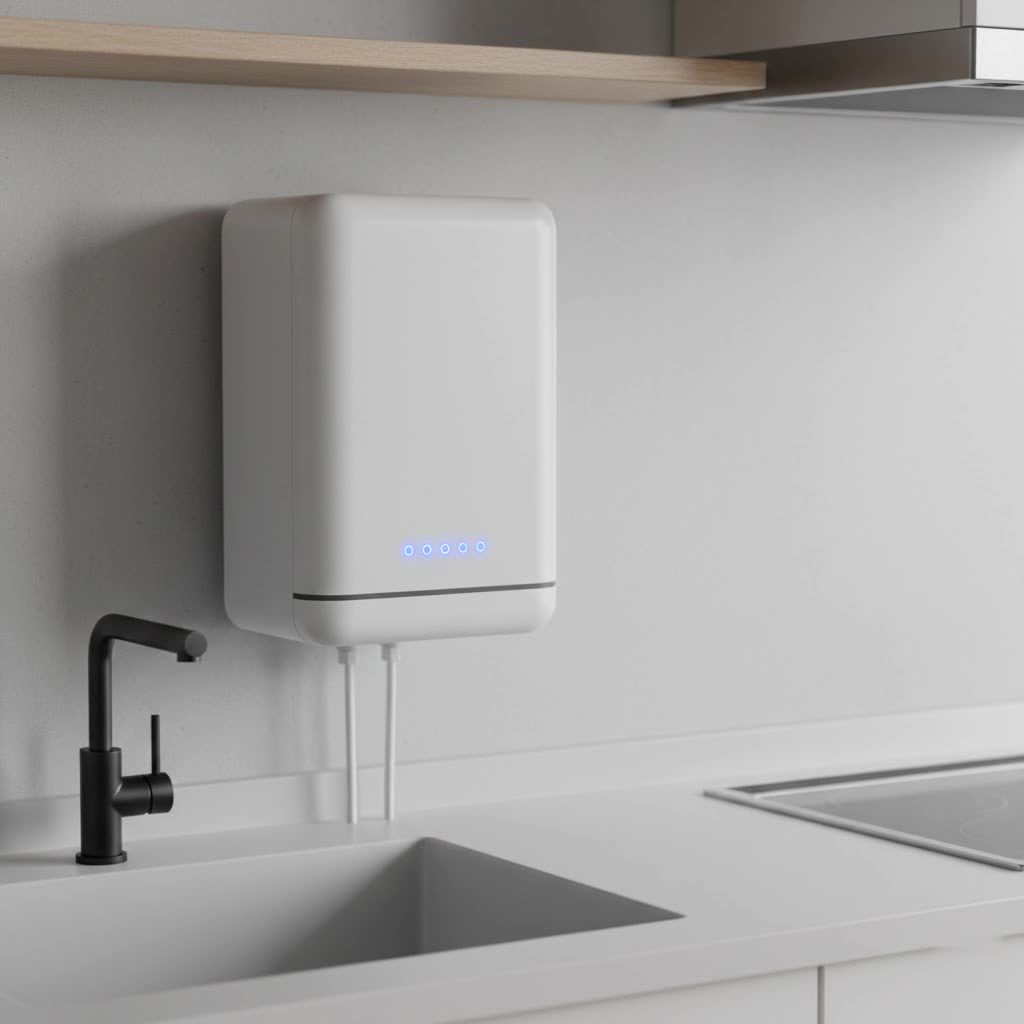
The open road, minimalist living, and the freedom of your own space – tiny home and RV living offer an unparalleled sense of adventure. Yet, this lifestyle comes with its own unique set of challenges, particularly when it comes to accessing clean, safe drinking water. Whether you’re hooking up to a campground spigot, filling from a remote well, or drawing from a natural source, the quality of your water can vary dramatically, posing risks from sediment and chlorine to bacteria and viruses. Finding the best water purifier for your tiny home or RV is not just a convenience; it’s a critical step in ensuring your health and peace of mind on every journey. This comprehensive guide will navigate the diverse world of water purification, offering insights and top recommendations for 2026 to help you choose the ideal system for your nomadic or compact lifestyle.
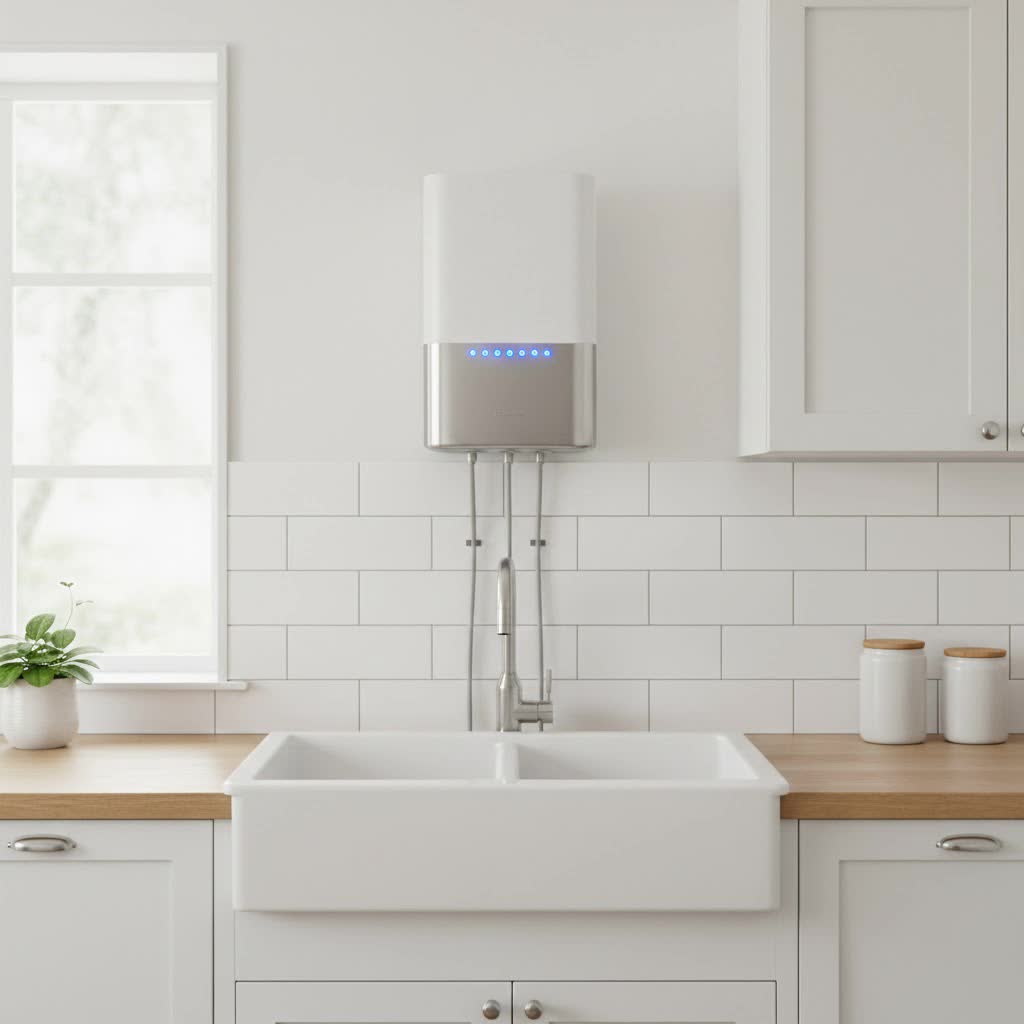
Common Types of Water Purifiers for Tiny Homes and RVs
The unique constraints of tiny homes and RVs—limited space, variable water sources, and often, restricted power—mean that standard home filtration systems may not always be suitable. Fortunately, a range of specialized water purifiers has emerged to meet these specific needs.
Inline Water Filters: These are perhaps the simplest and most common starting point for RVers. Inline filters connect directly to your water hose, typically before it enters your RV or tiny home’s water system. They are compact, affordable, and effective at removing sediment, chlorine, and improving taste and odor. Their ease of installation makes them a popular choice for quick setup at campgrounds.
Multi-Stage External Filtration Systems: For those seeking more robust protection, external multi-stage systems offer enhanced filtration capabilities. These typically consist of two or three canisters, each housing a different filter cartridge (e.g., sediment, carbon, and potentially a finer micron filter for pathogens or even a virus guard). These systems are plumbed outside the vehicle, providing comprehensive purification before water even reaches your internal tanks and faucets.
Under-Sink and Countertop Systems: While often associated with traditional homes, certain compact under-sink or countertop units can be adapted for tiny homes and larger RVs with sufficient space. Under-sink models provide filtered water directly from a dedicated faucet, offering convenience and a higher flow rate for drinking and cooking. Countertop units are portable and require no installation, making them versatile for those who move frequently or have very limited built-in space.
Portable and Gravity Filters: These are essential for supplementing your main system or for situations where no hookup is available, such as boondocking or drawing from natural water sources during hikes. Portable units range from personal straw filters and filtered bottles (like the Grayl Ultrapress) to larger gravity-fed bag systems (such as the Platypus GravityWorks) or electric pump systems (like the PortaWell), which can purify larger batches of water from lakes or streams. They are excellent for emergency preparedness and adventurous excursions.
Reverse Osmosis (RO) Systems: Reverse osmosis offers the highest level of purification, removing nearly all dissolved solids, heavy metals, viruses, and bacteria. While highly effective, traditional RO systems come with significant considerations for tiny homes and RVs: they produce wastewater, require adequate water pressure, and typically need a storage tank, all of which demand more space and water resources than often available in compact living. Specialized compact or low-waste RO systems are emerging, but still require careful evaluation.
UV Purifiers: Ultraviolet (UV) light purifiers are often used as a final stage of purification. They don’t filter out physical contaminants, but they effectively kill bacteria, viruses, and other microorganisms by disrupting their DNA. UV purifiers require electricity and pre-filtered water for optimal performance, making them a powerful addition to a multi-stage system for biological threats.
Detailed Comparison of Water Purifier Technologies
Understanding the underlying technology behind water purifiers is key to making an informed decision for your tiny home or RV. Each method has distinct advantages and limitations regarding contaminant removal, maintenance, and suitability for compact living.
Reverse Osmosis (RO): This technology forces water through a semi-permeable membrane, effectively removing up to 99% of dissolved solids, including salts, heavy metals (like lead and arsenic), fluoride, bacteria, and viruses.
- Pros: Exceptionally thorough purification, removing a vast array of contaminants.
- Cons: Generates significant wastewater (typically 3-4 gallons wasted per gallon purified), requires consistent water pressure and electricity, and can be slow. It also removes beneficial minerals, which some prefer to re-mineralize. Their size and complexity are often challenging for tiny living spaces.
Nano-filtration (Nano): Similar to RO but with slightly larger membrane pores, nano-filtration can remove bacteria, viruses, cysts, organic compounds, and some heavy metals while retaining more beneficial minerals than RO.
- Pros: Excellent purification without as much wastewater as RO, often requires less pressure, and retains more minerals.
- Cons: Still requires power and may not remove all dissolved solids as effectively as RO. Less common in dedicated RV/tiny home units.
Ultrafiltration (UF): UF membranes have larger pores than nano-filtration or RO, typically filtering down to 0.01-0.02 microns. This makes them highly effective at removing bacteria, protozoa, cysts, and suspended solids, but they generally do not remove viruses, dissolved salts, or chemicals.
- Pros: Operates without electricity or high pressure, no wastewater, high flow rates, and retains natural minerals. Excellent for removing biological contaminants.
- Cons: Does not remove viruses, chemicals, or dissolved solids.
Activated Carbon Filters: These filters utilize a bed of activated carbon to absorb chlorine, chloramines, volatile organic compounds (VOCs), pesticides, herbicides, and other chemicals that cause bad tastes and odors.
- Pros: Highly effective at improving water taste and odor, and removing many chemical contaminants.
- Cons: Does not remove bacteria, viruses, dissolved solids, or heavy metals. Often used as one stage in a multi-stage system.
Sediment Filters: These are typically the first stage in any multi-stage system. They remove larger particles such as sand, silt, rust, and dirt, protecting subsequent filters from premature clogging.
- Pros: Extends the life of more expensive filters, protects plumbing from abrasive particles.
- Cons: Does not remove chemicals, bacteria, viruses, or dissolved solids.
UV Sterilizers: UV purification uses ultraviolet light to deactivate bacteria, viruses, and other pathogens by damaging their DNA, preventing them from reproducing and causing illness.
- Pros: Chemical-free disinfection, effective against a wide range of microorganisms, including viruses.
- Cons: Requires electricity, water must be clear (pre-filtered of sediment) for UV light to be effective, does not remove physical contaminants, chemicals, or improve taste/odor.
“In the unique environment of tiny homes and RVs, versatility and efficiency are paramount. You need a system that can handle varying water sources without compromising on safety or consuming precious space and resources. Understanding the nuances of each filtration technology is the first step toward true water independence.” – Admin, ReviewUB.com, Water Purification Expert.
How to Choose the Right Water Purifier for Your Tiny Home or RV
Selecting the perfect water purifier involves more than just picking a popular brand; it requires a thoughtful assessment of your specific lifestyle, water sources, and living arrangements.
Analyze Your Water Source: This is perhaps the most critical factor. Will you primarily rely on municipal water hookups at campgrounds, draw from natural sources during boondocking, or fill tanks from private wells?
- Campground/Municipal: Often treated with chlorine, but can have sediment and inconsistent quality. Inline or dual-stage external filters are usually sufficient.
- Well Water: May contain hard minerals, iron, sulfur, bacteria, or even agricultural runoff. A multi-stage system with sediment, carbon, and potentially UV or a finer filter is advisable.
- Natural Sources (lakes, rivers): High risk of bacteria, viruses, protozoa, and sediment. A true water purifier (removing viruses) is essential, often combining filtration with UV or a robust chemical treatment.
Space and Installation Constraints: Tiny homes and RVs are defined by their compact nature.
- Inline filters are space-saving and connect directly to your hose.
- External canister systems sit outside your vehicle, freeing up internal space but requiring external mounting.
- Under-sink systems (if space allows) offer convenience but require dedicated plumbing.
- Countertop or portable units provide flexibility but occupy counter space or storage.
Power Availability: Consider your electrical setup.
- Gravity filters require no power.
- Hand-pump filters are manual.
- Electric pump systems (like PortaWell) need 12V DC power.
- RO and UV systems require continuous or intermittent 120V AC (or specific 12V models).
Contaminants of Concern: If possible, test your typical water sources. Common concerns include sediment, chlorine, heavy metals (lead, copper), pesticides, and biological contaminants (bacteria, viruses, protozoa). Your filter choice should directly address these.
Flow Rate and Capacity: How much water do you use daily for drinking, cooking, showering?
- Inline filters generally don’t restrict flow significantly.
- Multi-stage systems might slightly reduce pressure.
- RO systems have very slow production rates and rely on a storage tank.
- Portable personal filters are for small, immediate drinking needs.
- High-volume pump systems are great for filling tanks quickly.
Budget and Maintenance: Initial purchase cost is one factor, but consider the ongoing expense and availability of replacement filters. Some filters have very long lifespans (e.g., Sawyer MINI’s 100,000 gallons), while others need frequent replacement (e.g., Grayl Ultrapress’s 40 gallons). Factor in the cost and ease of maintenance.
Durability and Portability: For RVers, systems must withstand vibrations, temperature fluctuations, and sometimes harsh outdoor conditions. Portable units should be robust and easy to pack. Look for durable housings, stainless steel fittings, and reputable brands.
Top Water Purifiers for Tiny Homes and RV Living (2026)
Based on effectiveness, reliability, and suitability for compact, mobile lifestyles, here are some top water purifiers and filtration systems to consider for 2026:
- Camco TastePURE Inline RV & Marine Water Filter: This is an excellent entry-level option, often considered the best budget RV water filter. It’s an inline filter that connects to your hose, reducing sediment, chlorine, bad tastes, and odors. It’s incredibly easy to use and provides a noticeable improvement in water quality for general use. Ideal for campground hookups where basic filtration is sufficient.
- Clearsource Premier/Ultra 3-Stage RV Water Filter System with VirusGuard: For those seeking premium protection, the Clearsource systems are consistently top-rated. The 3-stage Ultra model includes a VirusGuard filter, providing exceptional removal of sediment, chlorine, bacteria, cysts, and viruses. These external systems feature durable metal frames and stainless steel fittings, making them robust for full-time RVers and tiny homes. They ensure some of the cleanest water available on the road.
- Hydro Life HL-200 External RV Water Filter: A well-rounded external option, the HL-200 uses a carbon filter infused with KDF. This combination effectively reduces chlorine, sediment, heavy metals, and odors, while also inhibiting bacterial growth within the filter housing. It delivers consistent water flow and has a decent lifespan, making it a reliable choice for extended trips.
- PortaWell: While primarily a heavy-duty portable system, the PortaWell stands out for its capacity and versatility, making it suitable for tiny homes or RVs that frequently source water from natural, untreated sources. This electric pump system can filter water at up to 60 gallons per hour, using a combination of ceramic, carbon, and sediment filters to remove over 200 contaminants, including bacteria, viruses, and cysts. It’s excellent for large groups or quickly filling tanks from uncertain sources.
- Grayl Ultrapress: For personal, on-the-go purification, the Grayl Ultrapress filtered bottle is a standout. It purifies water in just seconds using an electroadhesion and activated carbon filter, effectively removing bacteria, viruses, protozoa, chemicals, and heavy metals. It’s compact, durable, and perfect for supplementing your main system when exploring away from your tiny home or RV.
- Sawyer MINI/TAP Filtration System: The Sawyer MINI is an ultralight, highly versatile filter effective against bacteria, protozoa, and microplastics, with an impressive 100,000-gallon lifespan. The Sawyer TAP system, designed to connect to faucets, offers similar robust filtration for tap water sources, making it ideal for international travel or uncertain municipal supplies. Both are excellent for emergency preparedness or supplemental use.
Detailed Comparison Table of Top Water Purifiers
| Model | Type | Filtration Stages | Contaminants Addressed | Flow Rate/Capacity | Pros | Cons | Price Range (Approx.) |
|---|---|---|---|---|---|---|---|
| Camco TastePURE Inline | Inline Filter | 1 (Carbon) | Sediment, Chlorine, Bad Taste, Odor | Good (hose-dependent) | Affordable, extremely easy to install, basic water quality improvement. | Limited contaminant removal (no pathogens), requires frequent replacement. | $20 – $30 |
| Clearsource Ultra 3-Stage | External Canister System | 3 (Sediment, Carbon, VirusGuard) | Sediment, Chlorine, Viruses, Bacteria, Cysts, Heavy Metals | High (consistent) | Comprehensive filtration including viruses, robust build, ideal for serious water quality concerns. | Bulkier footprint, higher initial cost, requires external setup. | $300 – $400 |
| Hydro Life HL-200 External | External Canister Filter | 1 (Carbon + KDF) | Chlorine, Sediment, Heavy Metals, Odors, Inhibits Bacterial Growth | Consistent | Well-rounded performance, inhibits bacterial growth, relatively compact. | Single stage means less comprehensive pathogen removal than multi-stage systems. | $50 – $70 |
| PortaWell | Portable Electric Pump | 2-3 (Ceramic, Carbon, Sediment) | 200+ contaminants including Bacteria, Viruses, Cysts, Chemicals | Up to 60 GPH | High-volume, fast purification, versatile for natural sources, electric pump reduces effort. | Bulky, expensive, battery often sold separately, requires setup time. | $300 – $400 |
| Grayl Ultrapress | Filtered Bottle | Multi-stage (Electroadhesion + Carbon) | Bacteria, Viruses, Cysts, Chemicals, Heavy Metals, Microplastics | ~10 seconds per bottle | Fast, easy personal purification, removes viruses, compact for travel. | Small capacity per press, relatively short filter life per cartridge, higher cost per gallon. | $90 – $100 |
| Sawyer MINI | Portable (Straw/Inline/Squeeze) | Hollow Fiber Membrane | Bacteria, Protozoa, Microplastics | Fast (straw/squeeze dependent) | Ultra-lightweight, extremely long filter lifespan (100,000 gallons), highly versatile. | Does not remove viruses or chemicals, can clog with very turbid water, requires backflushing. | $25 – $35 |
Where to Buy Reliable Water Purifiers
Investing in a reliable water purifier means purchasing from reputable sources that offer genuine products and good customer support.
- Specialized RV & Tiny Home Suppliers: Many online and physical stores cater specifically to the RV and tiny home community, offering systems designed for these unique environments. Websites like RV Water Filter Store or Tiny House Supply Co. are good starting points.
- Outdoor and Camping Retailers: For portable and gravity filters like Sawyer, Grayl, or LifeStraw, outdoor recreation stores (e.g., REI, Moosejaw) are excellent resources. They often have knowledgeable staff who can guide your selection.
- Major Online Retailers: Websites like Amazon, etrailer.com, or the manufacturers’ official websites (e.g., Clearsource, PortaWell) carry a wide selection. Be sure to check seller reviews and warranty information.
- Local Hardware Stores: For basic inline filters or replacement parts, your local hardware store may stock common options, though specialized multi-stage systems are less likely to be found there.
Usage and Maintenance Tips for Your Water Purifier
Proper usage and regular maintenance are crucial for extending the life of your water purifier and ensuring it continues to provide safe drinking water.
- Regular Filter Replacement: Always follow the manufacturer’s recommended schedule for filter replacement. Ignoring this can lead to decreased performance, reduced flow, or even the growth of bacteria within compromised filters. For multi-stage systems, different cartridges (sediment, carbon, virus guard) will have varying lifespans.
- Backflushing and Cleaning: Many hollow fiber membrane filters (like Sawyer products) are designed to be backflushed or cleaned to restore flow rate and extend their lifespan. Always use the manufacturer-provided syringe or method. Ceramic filters can often be scrubbed clean.
- Winterization (for RVs): If you live in or travel to cold climates, properly winterizing your RV water system is critical to prevent freezing, which can damage filters, housings, and plumbing. Remove all filters, drain water from the system, and store filters in a warm, dry place.
- Water Testing: Periodically test your source water, especially if you are drawing from unknown wells or natural sources. Simple test kits can identify common contaminants, helping you confirm your purifier is effective or if you need additional filtration.
- Proper Storage: When not in use, ensure filters are clean and dry to prevent mold or bacterial growth. Store them according to manufacturer guidelines, often in a sealed bag in a cool, dark place.
Frequently Asked Questions
What is the difference between a water filter and a water purifier?
Table is empty.A water filter primarily removes sediment, chlorine, and biological contaminants like bacteria and protozoa. A water purifier, however, goes a step further by also removing viruses, which are significantly smaller and require finer filtration or other methods like UV light to eliminate. For highly questionable water sources, especially abroad or from natural bodies, a purifier offers superior protection.
Can I use a standard home water filter in my RV or tiny home?
While some smaller, compact home under-sink or countertop filters might be adaptable, dedicated RV and tiny home water filters are generally better suited. They are designed with considerations for varying water pressures, diverse water sources (like campground hookups versus untreated natural water), space constraints, and durability for travel. Standard home filters may also require more consistent water pressure or dedicated plumbing not always available in mobile or compact dwellings.
How often should I replace my RV water filter?
The replacement frequency for your RV water filter varies significantly based on its type, the quality of your source water, and your usage. Simple inline filters might need replacement every season or after a few thousand gallons. Multi-stage systems have individual cartridges, each with its own lifespan (e.g., sediment filters more frequently than carbon or virus guard filters). Always refer to the manufacturer’s recommendations for each specific filter to ensure optimal performance and safety.
Do I need a water softener in my RV or tiny home?
A water softener is not a Water Purifier, but it can be a valuable addition if you frequently encounter hard water. Hard water, rich in minerals like calcium and magnesium, can cause scale buildup in pipes and appliances, reduce soap effectiveness, and impact taste. A softener will prevent these issues, extending the life of your plumbing and water heater, and improving the overall quality of water for showering and cleaning.
Are RO systems practical for tiny homes and RVs?
Traditional Reverse Osmosis (RO) systems, while providing the highest level of purification, can be challenging for many tiny homes and RVs. They typically produce a significant amount of wastewater, operate slowly, and require a storage tank and consistent water pressure, demanding considerable space and resources. While some compact or low-waste RO systems are available, their practicality depends on your specific setup, available space, power, and the consistency of your water source. They are often best suited for specific purification needs where other methods fall short and resources are plentiful.