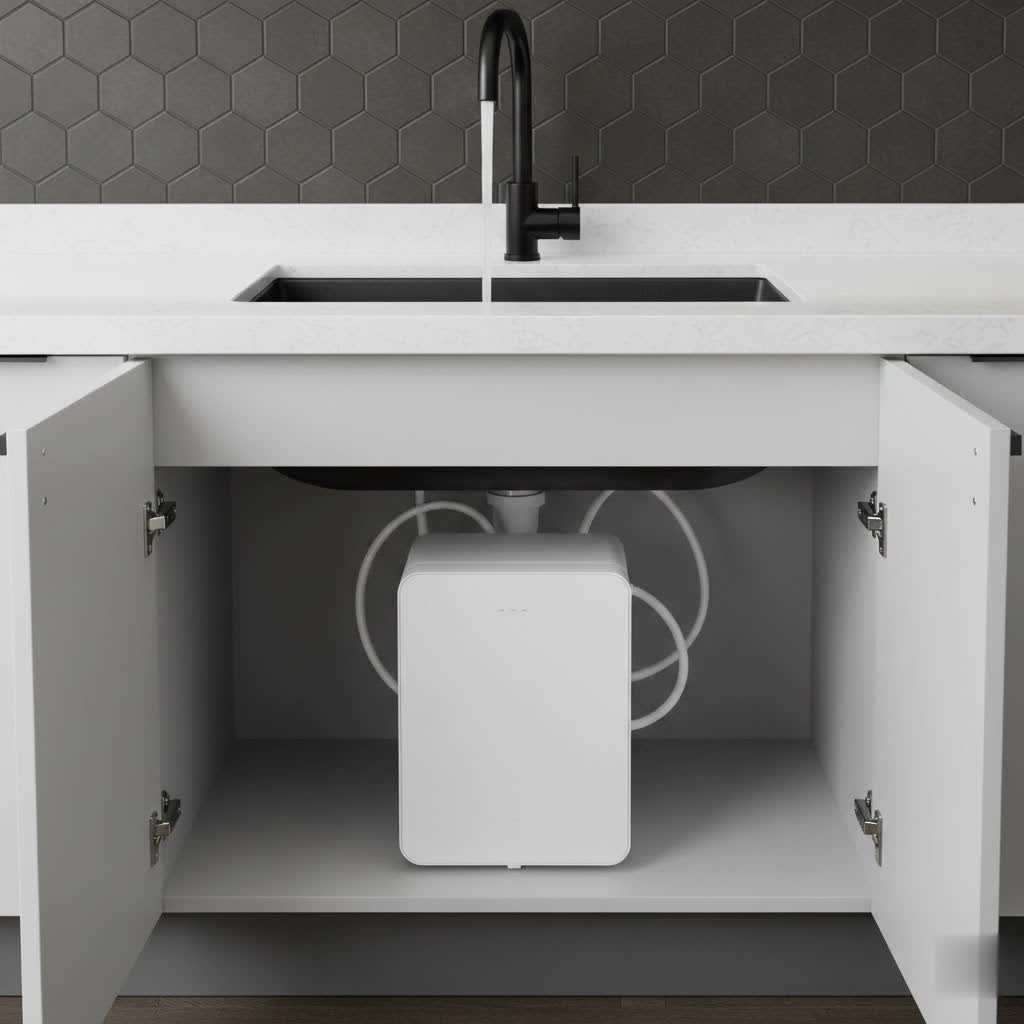
Ensuring access to clean, safe drinking water is a top priority for every household. As concerns about tap water quality rise, many are turning to advanced filtration technologies like Reverse Osmosis (RO) to safeguard their families. RO systems are highly effective at removing a vast array of contaminants, but the market offers various configurations, most commonly 3-stage and 5-stage systems. Deciding between them can feel daunting, yet understanding their core differences is key to selecting the perfect Water Purifier for your home. This comprehensive guide will break down the functionality, benefits, and considerations for both, helping you make an informed choice that aligns with your specific needs.
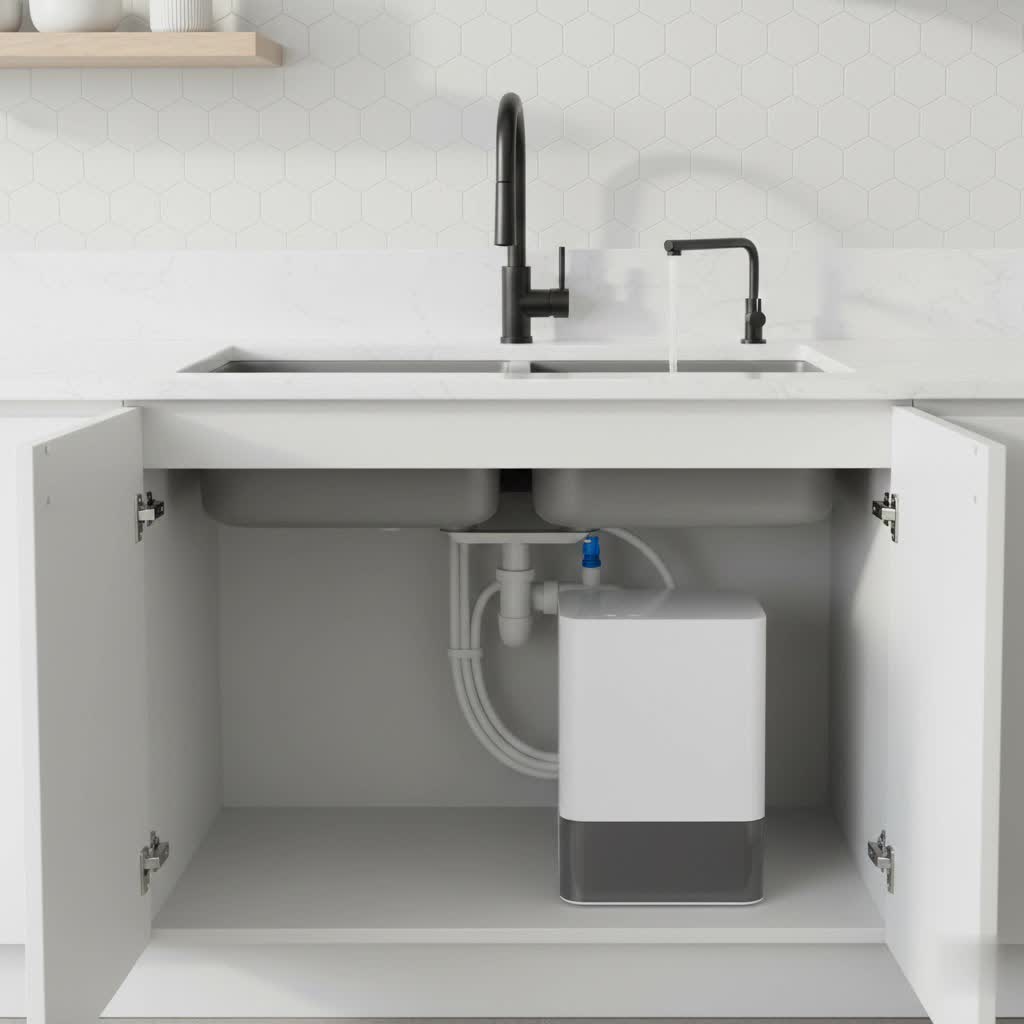
Understanding Reverse Osmosis (RO) Filtration
Reverse Osmosis is a cutting-edge water purification process that employs a semi-permeable membrane to remove dissolved solids, impurities, and contaminants from water. By applying pressure, water molecules are forced through this incredibly fine membrane, while larger molecules of pollutants, salts, and even some microorganisms are left behind and flushed away. This technology is renowned for its ability to deliver exceptionally clean and great-tasting water, making it one of the most effective purification methods available today.
The Essentials: 3-Stage Reverse Osmosis Systems
A 3-stage Reverse Osmosis system offers a foundational yet highly effective approach to water purification. It’s often favored for its simplicity, compact design, and ability to significantly improve water quality for everyday use. These systems are typically more practical for those with limited space, such as in apartments or smaller kitchens, or where the raw water quality is not exceptionally poor.
What is a 3-Stage RO System?
Table is empty.A standard 3-stage RO system typically comprises three distinct filters working in sequence:
- Sediment Filter: This initial stage acts as a crucial pre-filter, removing larger particles like sand, silt, dirt, and rust. Its primary role is to protect the subsequent, more delicate filters, particularly the RO membrane, from premature clogging.
- Carbon Filter: Following the sediment filter, a granular or block carbon filter targets chlorine, chloramines, volatile organic compounds (VOCs), and other chemicals that can impart unpleasant tastes and odors to the water. This stage ensures better-tasting water and further safeguards the RO membrane from chlorine damage.
- RO Membrane: This is the heart of the system. The semi-permeable membrane meticulously filters out dissolved solids, heavy metals (like lead and mercury), salts, nitrates, fluoride, and many other microscopic contaminants. It’s where the most significant purification occurs, delivering purified water to a storage tank.
Pros of 3-Stage RO
- Compact Size: 3-stage systems are generally smaller, making them ideal for installations under sinks with limited space or as portable countertop units.
- Lower Initial Cost: With fewer components, these systems usually have a more approachable upfront price point compared to their multi-stage counterparts.
- Effective Contaminant Removal: They are highly efficient at removing common impurities, significantly improving water taste, odor, and overall safety for most municipal water sources.
- Easier Maintenance: Fewer filters translate to simpler and often quicker filter replacement processes.
Cons of 3-Stage RO
- Limited Protection: While effective, 3-stage systems typically do not include specific stages for killing bacteria or viruses, which might be a concern for private well water or highly questionable municipal supplies.
- Mineral Removal: Like all RO systems, they remove beneficial minerals along with contaminants, which some users might prefer to reintroduce.
- Water Waste & Flow Rate: RO technology inherently produces some wastewater and has a slower flow rate than direct tap water, though the 3-stage system’s output might be marginally faster than higher-stage systems due to less resistance.
Enhanced Purification: 5-Stage Reverse Osmosis Systems
For those seeking the highest level of purification and an extra layer of protection, a 5-stage Reverse Osmosis system offers a more comprehensive solution. These systems build upon the core RO technology by incorporating additional filtration steps designed to tackle more stubborn contaminants, enhance taste, or even add beneficial elements back into the water. They are often chosen by homeowners who are particularly concerned about water quality or live in areas with known water challenges.
What is a 5-Stage RO System?
A 5-stage RO system extends the purification process, often featuring the following typical configuration:
- Sediment Filter (e.g., Polypropylene Sediment Filter): Similar to the 3-stage system, this pre-filter captures larger particles, protecting subsequent filters.
- Carbon Pre-filter (e.g., Granular Activated Carbon): This stage targets chlorine, chloramines, herbicides, pesticides, and other organic compounds, further protecting the RO membrane and improving taste.
- Second Sediment Filter or Carbon Block Filter (e.g., 1 Micron Polypropylene Water Filter or Carbon Block): This stage offers a finer level of pre-filtration, removing smaller sediment particles or providing additional chemical absorption, ensuring the RO membrane receives cleaner water.
- RO Membrane (Osmotic Membrane): The core filtration stage, identical to the 3-stage system, removing dissolved solids, heavy metals, salts, nitrates, and other microscopic impurities.
- Carbon Post-filter (e.g., Coconut Carbon Post-filter): This final “polishing” filter ensures any lingering odors or tastes from the storage tank are removed before the water is dispensed, providing exceptionally fresh and clean-tasting water.
Some 5-stage systems might substitute one of the additional stages with a remineralization filter (to reintroduce healthy minerals) or a UV sterilizer (to kill bacteria and viruses), offering specialized benefits.
Pros of 5-Stage RO
- Superior Contaminant Removal: The additional stages provide more thorough purification, ensuring a broader spectrum of contaminants is reduced or eliminated.
- Exceptional Taste and Purity: With advanced pre-filtration and a post-carbon filter, these systems consistently deliver water with an exceptionally clean and pure taste.
- Enhanced Protection: If equipped with a UV stage, it offers crucial protection against bacteria and viruses, making it ideal for well water or immunocompromised individuals.
- Longer RO Membrane Life: The extensive pre-filtration significantly reduces the burden on the RO membrane, potentially extending its lifespan.
- Potential for Remineralization: Systems with a remineralization stage can add beneficial minerals back into the water, improving its pH and health profile.
Cons of 5-Stage RO
- Higher Upfront Cost: More filters and potentially advanced components mean a higher initial investment.
- More Complex Maintenance: With additional filters, maintenance can be slightly more involved and potentially more frequent for certain stages, though overall system longevity can be better.
- Increased Space Requirement: The larger number of components means these systems typically require more under-sink space.
- Water Waste & Flow Rate: Like all RO systems, they produce some reject water and have a slower flow rate compared to unfiltered tap water.
Detailed Comparison: 3-Stage vs. 5-Stage RO
To further clarify the distinctions, let’s look at a side-by-side comparison:
| Feature | 3-Stage Reverse Osmosis System | 5-Stage Reverse Osmosis System |
|---|---|---|
| Number of Filters | 3 (Sediment, Carbon, RO Membrane) | 5 (Sediment, Carbon Pre-filter, Secondary Filter, RO Membrane, Post-Carbon Filter, often with options for Remineralizer/UV) |
| Filtration Scope | Basic to good contaminant removal, taste, and odor improvement. | Excellent to superior contaminant removal, taste, and odor improvement. |
| Contaminant Removal | Removes sediment, chlorine, dissolved solids, heavy metals, salts. | Removes a wider array, including finer particles, more chemicals, and potentially bacteria/viruses (with UV) and pH balancing (with remineralizer). |
| Water Taste | Significantly improved taste and odor. | Exceptionally clean, polished taste and odor. |
| Space Requirement | Compact, ideal for limited under-sink or countertop space. | Larger footprint, requires more under-sink space. |
| Initial Cost | Generally lower. | Generally higher. |
| Maintenance Complexity | Simpler, fewer filters to change. | More involved, more filters to monitor and change. |
| RO Membrane Lifespan | Good, but shorter than 5-stage due to less pre-filtration. | Potentially longer due to more robust pre-filtration. |
| Special Features | Typically none beyond core filtration. | Often includes remineralization or UV sterilization options. |
| Best For | Relatively clean municipal water, budget-conscious users, limited space. | Heavily contaminated water, health-conscious users, enhanced peace of mind. |
“Choosing an RO system isn’t just about the number of stages, but aligning the system’s capabilities with your specific water challenges and purification goals. More stages often mean more thorough filtration, but it’s essential to understand what those additional stages actually do for your water.” – John Smith, Senior Water Filtration Technician, ReviewUB.com
Choosing the Right RO System for Your Home
Making the right choice between a 3-stage and 5-stage RO system hinges on a few critical considerations:
Assess Your Water Quality
This is arguably the most crucial factor. If you’re on municipal water that’s generally considered safe but you want to remove chlorine, improve taste, and reduce common dissolved solids, a 3-stage system might be perfectly adequate. However, if you rely on well water, live in an area with known issues like high lead levels, agricultural runoff, or have concerns about bacteria and viruses, a 5-stage system with additional purification steps like UV sterilization or finer filtration stages offers significantly more peace of mind. Consider getting a water quality test if you’re unsure about your tap water’s specific contaminants.
Consider Your Budget
RO systems involve both an initial purchase cost and ongoing maintenance expenses (filter replacements). 3-stage systems are typically more affordable upfront and have lower immediate filter replacement costs. 5-stage systems, with their increased complexity and additional filters, will generally have a higher initial price tag and potentially higher long-term filter costs. Weigh your financial comfort against your desired level of purification.
Evaluate Available Space
Under-sink space is often a premium. A 3-stage system’s compact footprint can be a significant advantage if you have limited room. 5-stage systems are larger due to their extra components and typically require more dedicated space for installation and filter access. Measure your available space before committing to a system.
Define Your Purity Needs and Desired Features
Do you simply want better-tasting water free from basic impurities? Or are you aiming for ultra-pure water with added health benefits like re-mineralization, or complete protection against microbial threats? If you want to reintroduce beneficial minerals or eliminate bacteria and viruses, a 5-stage system with these specialized filters is the way to go.
Maintenance and Longevity
Regardless of the number of stages, regular maintenance is vital for any RO system’s optimal performance and longevity. Filters have a finite lifespan and must be replaced according to the manufacturer’s recommendations.
- Sediment and Carbon Filters: These pre-filters typically need to be changed every 6-12 months, depending on water quality and usage. Timely replacement is crucial to protect the RO membrane.
- RO Membrane: The heart of the system, the RO membrane, is more durable, usually lasting 2-5 years. However, its lifespan is directly impacted by the effectiveness of the pre-filters.
- Post-Carbon and Specialty Filters: These filters (including remineralizers and UV lamps) have their own replacement schedules, often annually.
Neglecting filter changes can lead to reduced water quality, decreased flow rates, and potentially costly damage to the RO membrane. Regular maintenance ensures your system continues to deliver clean, safe, and great-tasting water for years to come.
Conclusion
Choosing between a 3-stage and a 5-stage Reverse Osmosis system ultimately comes down to a balance of your specific water quality, budget, available space, and desired level of purification. While a 3-stage system provides excellent basic filtration for improving taste, odor, and removing common contaminants, a 5-stage system offers enhanced protection, superior taste, and the flexibility to incorporate specialized features like remineralization or UV sterilization for ultimate peace of mind. Both systems are powerful tools in your quest for healthier hydration, but understanding their individual strengths will empower you to make an informed decision tailored to your household’s unique needs. Which stage of purification aligns best with your family’s needs and peace of mind?
Frequently Asked Questions
Do 3-stage RO systems waste water?
Yes, all Reverse Osmosis systems, including 3-stage ones, produce some wastewater as part of the purification process. This “reject” water carries the concentrated impurities that have been flushed away from the membrane. The amount varies by system and water pressure, but typically for every gallon of purified water, 2-4 gallons of wastewater are sent down the drain.
Do 5-stage RO systems remove beneficial minerals?
Yes, the core Reverse Osmosis membrane in a 5-stage system effectively removes almost all dissolved solids, including beneficial minerals like calcium and magnesium. However, many 5-stage systems offer an optional or integrated remineralization stage that adds these healthy minerals back into the purified water, improving its pH and taste.
How often should I change filters in a 3-stage vs. 5-stage system?
The frequency of filter changes depends on your water quality and usage, but general guidelines exist. For both systems, sediment and carbon pre-filters typically need replacement every 6-12 months. The RO membrane itself usually lasts 2-5 years. In a 5-stage system, additional filters like a post-carbon filter or remineralizer may also need annual replacement, potentially increasing the maintenance complexity slightly.
Can a 3-stage system be upgraded to a 5-stage?
In some cases, it might be possible to upgrade a 3-stage RO system by adding external filter housings or an in-line filter for stages like remineralization or a UV sterilizer. However, this often depends on the specific system’s design and available space. It’s usually more straightforward and efficient to purchase a dedicated 5-stage system if you require enhanced purification from the outset.
Are RO systems expensive to maintain?
The maintenance cost for an RO system primarily involves replacing filters. While the initial investment might be higher than simpler filters, the cost per gallon of highly purified water is often significantly less than bottled water. Annual filter replacement costs generally range from $50 to $150, depending on the number of stages and filter types. The RO membrane replacement, every few years, is the most significant individual maintenance cost.