Choosing a water filtration system for your home is a significant decision, impacting both your health and daily convenience. With myriad options available, two popular choices consistently stand out for point-of-use filtration: under-sink and countertop water filters. Each offers distinct advantages and disadvantages, making the “best” choice highly personal. This guide will meticulously compare these two systems, helping you navigate the options to select the ideal water filter that aligns with your specific needs, kitchen setup, and lifestyle.
Under-Sink Water Filters: A Deep Dive
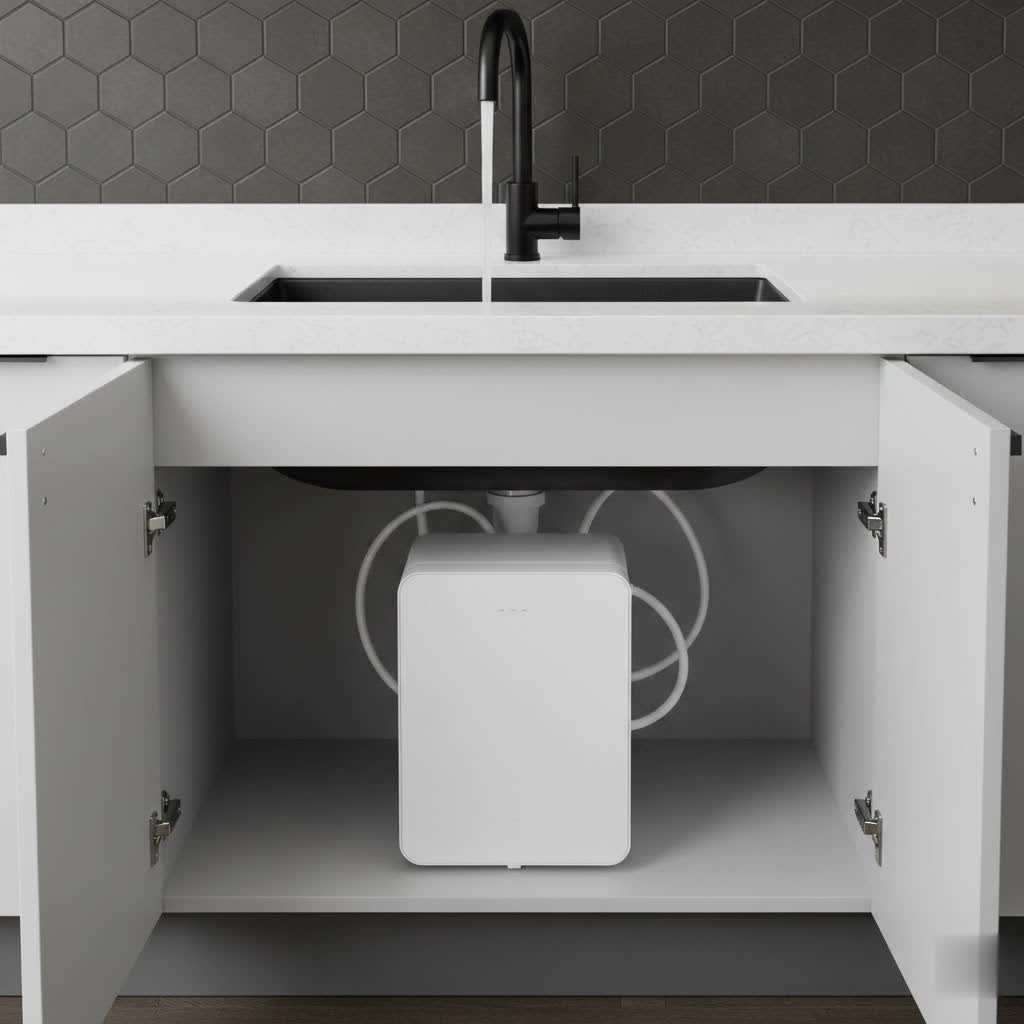
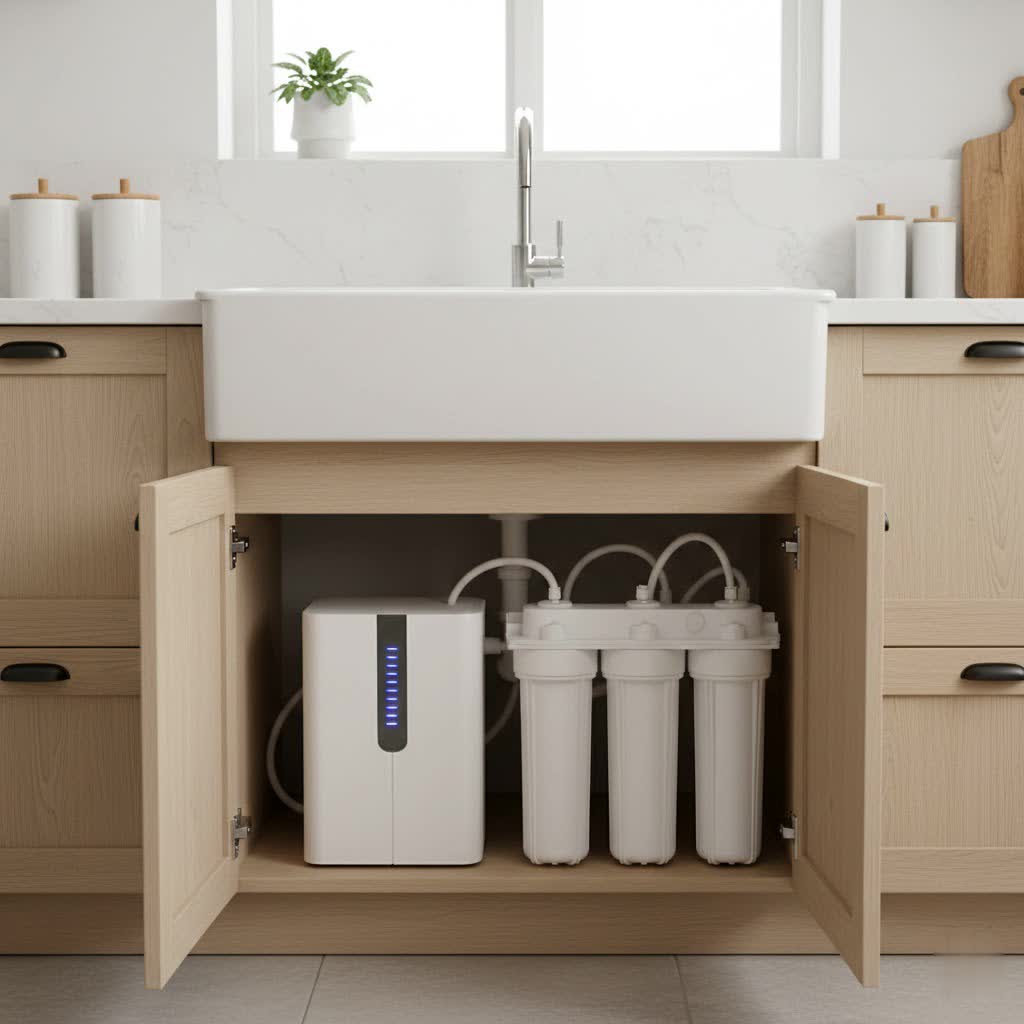
Under-sink water filters are discreet systems installed directly beneath your kitchen sink, typically connecting to the cold water line and dispensing purified water through a dedicated faucet or a multi-way tap. These systems are favored for their seamless integration into the kitchen environment, providing high-quality filtered water without occupying precious counter space.
Advantages of Under-Sink Water Filters
Table is empty.One of the primary benefits of under-sink units is their superior filtration performance. Many models employ multi-stage filtration processes, including advanced reverse osmosis (RO) technology, capable of removing a broad spectrum of contaminants. These can include lead, chlorine, fluoride, PFAS (per- and polyfluoroalkyl substances), microplastics, bacteria, and viruses, offering a comprehensive purification solution.
Another significant advantage is their uncluttered aesthetic. Because the main filtration unit is hidden within the cabinet, your countertops remain clear, contributing to a clean and organized kitchen appearance. This makes them an excellent choice for those who value minimalist design or have limited counter space.
Under-sink filters also typically offer a high flow rate and capacity, providing a steady supply of filtered water on demand. This is particularly convenient for larger households or those with high daily water consumption, as you won’t experience delays in filling pitchers, cooking pots, or drinking glasses. Over the long term, investing in an under-sink system can also represent significant value, reducing the need for costly bottled water and its associated environmental impact.
Disadvantages of Under-Sink Water Filters
Despite their benefits, under-sink systems come with certain drawbacks. The installation complexity is often cited as a concern. Many models require basic plumbing knowledge, and some necessitate drilling a hole in your sink or countertop for the dedicated faucet. While a skilled DIY enthusiast might manage, professional installation is frequently recommended, adding to the overall upfront cost.
Speaking of costs, under-sink water filters generally have a higher initial investment compared to most countertop models. This higher price point covers the advanced filtration technology and the necessary plumbing components. Furthermore, once installed, these systems are relatively permanent and less portable, making them less suitable for renters or individuals who move frequently.
Finally, under-sink systems occupy valuable cabinet space, which could be a concern in smaller kitchens where storage is already limited. Reverse osmosis (RO) under-sink systems, while highly effective, also produce some water waste during the filtration process, which might be an environmental consideration for some users.
Countertop Water Filters: Convenience on Display
Countertop water filters are designed to sit directly on your kitchen counter, connecting to your existing faucet via a diverter valve or, in some cases, operating as self-contained units that you manually fill. These systems are celebrated for their ease of installation and portability, offering a straightforward approach to clean drinking water.
Advantages of Countertop Water Filters
The most compelling advantage of countertop filters is their effortless installation. Most models require minimal setup; you simply attach them to your faucet’s aerator or place them on the counter and fill them with water. This eliminates the need for any plumbing modifications or professional help, making them an ideal portable and flexible solution for renters, students, or those who travel frequently. They can be easily moved between kitchens or even taken on trips.
Countertop filters are typically more budget-friendly in terms of initial purchase price, offering an accessible entry point into home water filtration. Their visible and accessible design allows for easy monitoring of filter life and makes routine maintenance, such as cartridge replacement, a simple and quick task. These systems come in a variety of filtration technologies, from basic activated carbon to more advanced ultrafiltration (UF) and reverse osmosis (RO) models, effectively removing chlorine, sediment, heavy metals, and improving taste and odor.
Disadvantages of Countertop Water Filters
The most obvious drawback of a countertop filter is that it occupies valuable countertop space. In kitchens where space is already at a premium, this can lead to a cluttered appearance. While some designs are sleek and modern, others can be bulky and aesthetically disruptive.
Compared to many under-sink systems, countertop filters often have slower flow rates and smaller capacities. This can be a minor inconvenience for large families or if you need to quickly fill multiple bottles or a large pot for cooking. While many connect directly to the faucet for on-demand water, some gravity-fed models require manual refilling and a waiting period for filtration, further impacting convenience.
Although many countertop filters offer excellent contaminant reduction, some basic models may provide less comprehensive filtration than high-end under-sink RO systems. Customers prioritizing the removal of a very wide range of microscopic contaminants might find certain countertop options less robust.
Detailed Comparison: Under Sink vs. Countertop Water Filters
Understanding the nuances between these two filter types is crucial for an informed decision. Here’s a comprehensive comparison to highlight their key differences:
| Feature | Under-Sink Water Filters | Countertop Water Filters |
|---|---|---|
| Installation | More complex, often requires plumbing and drilling; professional installation sometimes recommended. | Simple, DIY-friendly, typically attaches to existing faucet or is self-contained. |
| Aesthetics | Hidden from view, preserving clear countertops and kitchen aesthetics. | Visible on the countertop, can occupy valuable space and impact visual flow. |
| Filtration Power | Often multi-stage, including RO; superior contaminant removal for a wider range of impurities. | Varies by model (carbon, UF, RO); generally good, with high-end RO comparable to under-sink. |
| Flow Rate | High and steady, providing filtered water on demand directly from the tap. | Typically slower than under-sink, which can be a consideration for high usage. |
| Capacity | Generally higher, suitable for larger households and significant daily water usage. | Smaller capacity, often better suited for individuals or smaller households. |
| Initial Cost | Higher upfront investment due to complex systems and potential installation fees. | Generally lower initial cost, making them a more budget-friendly option. |
| Portability | Low; once installed, they are fixed in place and not easily moved. | High; easy to move between locations, ideal for renters or travel. |
| Maintenance | Can be more cumbersome due to the hidden location of the unit and filters. | Easier access for filter replacement and routine cleaning. |
| Water Waste | RO systems may produce wastewater. | Less common, though some RO countertop units also generate waste. |
Key Considerations for Your Choice
Making the right decision between an under-sink and countertop water filter hinges on evaluating several personal and practical factors. Consider these points carefully:
First, assess your household’s water needs. How many people live in your home? What is your average daily water consumption for drinking and cooking? Larger families or those with high water usage might benefit more from the higher capacity and flow rate of an under-sink system.
Next, examine your kitchen space and layout. Do you have ample cabinet space under your sink, or is it already crammed with other essentials? Conversely, how much free countertop space can you afford to dedicate to a filtration unit? The answer will heavily influence which type integrates best into your kitchen.
Budget is another crucial factor. While countertop filters typically have a lower initial price, consider the long-term costs, including filter replacements and potential professional installation for under-sink models. Over time, the cost differences can sometimes balance out depending on filter longevity and replacement frequency.
Your water quality concerns are paramount. Are you primarily looking to remove chlorine and improve taste, or do you have specific worries about lead, fluoride, or other complex contaminants? Researching your local water quality reports can help you determine the level of filtration necessary and guide you toward a system designed to address those particular issues.
Finally, think about your installation preferences and lifestyle. Are you comfortable with DIY plumbing projects, or would you prefer a plug-and-play solution? If you’re renting, move frequently, or want a system you can take on vacation, a portable countertop filter offers unmatched convenience.
Top Recommendations for Each Type
While specific models evolve, certain brands consistently offer reliable filtration in both categories. For leading under-sink water filters, look for systems from brands like Aquasana, known for their comprehensive multi-stage filtration against a wide array of contaminants, or Waterdrop, which offers efficient tankless reverse osmosis options that save space and reduce wait times. Other reputable brands include APEC Water Systems and Frizzlife, often praised for their robust contaminant removal and durability.
In the popular countertop water filters category, AquaTru stands out for its compact reverse osmosis systems, delivering exceptional purity without permanent installation. Berkey is a long-standing favorite for gravity-fed purification, ideal for emergencies or off-grid living, while Aquasana also offers effective countertop units like their Clean Water Machine. Waterdrop and Epic Pure also provide excellent options for various needs, from simple faucet attachments to more advanced filtration systems.
Where to Purchase Your Water Filter
You have several reliable avenues for purchasing water filtration systems. Online retailers such as Amazon, Home Depot, or Lowe’s offer a vast selection, often with customer reviews and detailed specifications to aid your decision. Purchasing directly from brand websites like Aquasana, Waterdrop, or AquaTru can sometimes provide exclusive deals, comprehensive product information, and direct customer support. Additionally, home improvement stores and specialty water treatment providers offer in-person advice and installation services, which can be invaluable for more complex under-sink systems.
Maximizing Your Water Filter’s Lifespan: Usage and Maintenance Tips
Regardless of the type you choose, proper usage and diligent maintenance are key to ensuring your water filter operates effectively and lasts for years. The most crucial step is regular filter replacement, strictly adhering to the manufacturer’s recommended schedule. Overdue filters can become ineffective or even harbor bacteria, compromising water quality.
Routine cleaning of the system, including external surfaces and any removable components, helps prevent mineral buildup and maintains hygiene. For faucet-connected countertop units, periodically checking the connection for leaks and ensuring the diverter valve functions smoothly is important. For under-sink systems, occasionally inspecting the lines for any wear or drips can prevent larger issues. Finally, monitoring water pressure and flow can alert you to a clogged filter, signaling it’s time for a replacement. By following these simple tips, you can enjoy consistently clean, great-tasting water from your chosen filtration system.
Conclusion
Choosing between an under-sink and a countertop water filter is a decision rooted in understanding your personal priorities. Under-sink systems excel in seamless aesthetics, powerful, comprehensive filtration, and high flow rates, making them a solid, permanent fixture for families prioritizing maximum purity and convenience without sacrificing counter space. Countertop filters, on the other hand, shine with their unparalleled ease of installation, portability, and lower initial cost, proving ideal for renters, frequent movers, or those with tighter budgets and a desire for immediate clean water without plumbing commitments. Ultimately, the best water filter system is the one that perfectly integrates with your kitchen, lifestyle, and unique water purification requirements. Which solution will bring you the peace of mind that comes with every sip of pure, refreshing water?
Frequently Asked Questions
Is an under-sink filter better than a countertop filter?
Neither is inherently “better”; it depends on individual needs. Under-sink filters often offer superior filtration, higher capacity, and a hidden design, while countertop filters are easier to install, more portable, and generally more affordable. Your choice should align with your specific priorities for water quality, budget, space, and portability.
Do countertop filters remove lead?
Many high-quality countertop water filters, especially those utilizing advanced multi-stage or reverse osmosis technology, are certified to effectively remove lead. Always check the product’s specifications and third-party certifications (like NSF standards) to confirm its contaminant removal capabilities.
How often do you need to change water filters?
Filter replacement frequency varies significantly by the filter type, model, and the quality of your incoming water, but typically ranges from every 3-6 months for smaller carbon filters to 12-24 months for larger, multi-stage or RO filters. Always consult your specific filter’s manufacturer guidelines for optimal performance and health.
Can I install an under-sink filter myself?
Many under-sink filters are designed for DIY installation and come with detailed instructions. However, some systems, particularly complex reverse osmosis units or those requiring new plumbing connections, may benefit from professional installation to ensure proper function and prevent leaks. Assess your comfort level with basic plumbing before attempting it yourself.
Are countertop filters suitable for renters?
Yes, countertop filters are an excellent option for renters. Their primary advantage is ease of installation, often requiring no permanent modifications to plumbing or drilling. This makes them highly portable and easily removable when you move, allowing you to enjoy filtered water without impacting your rental agreement.