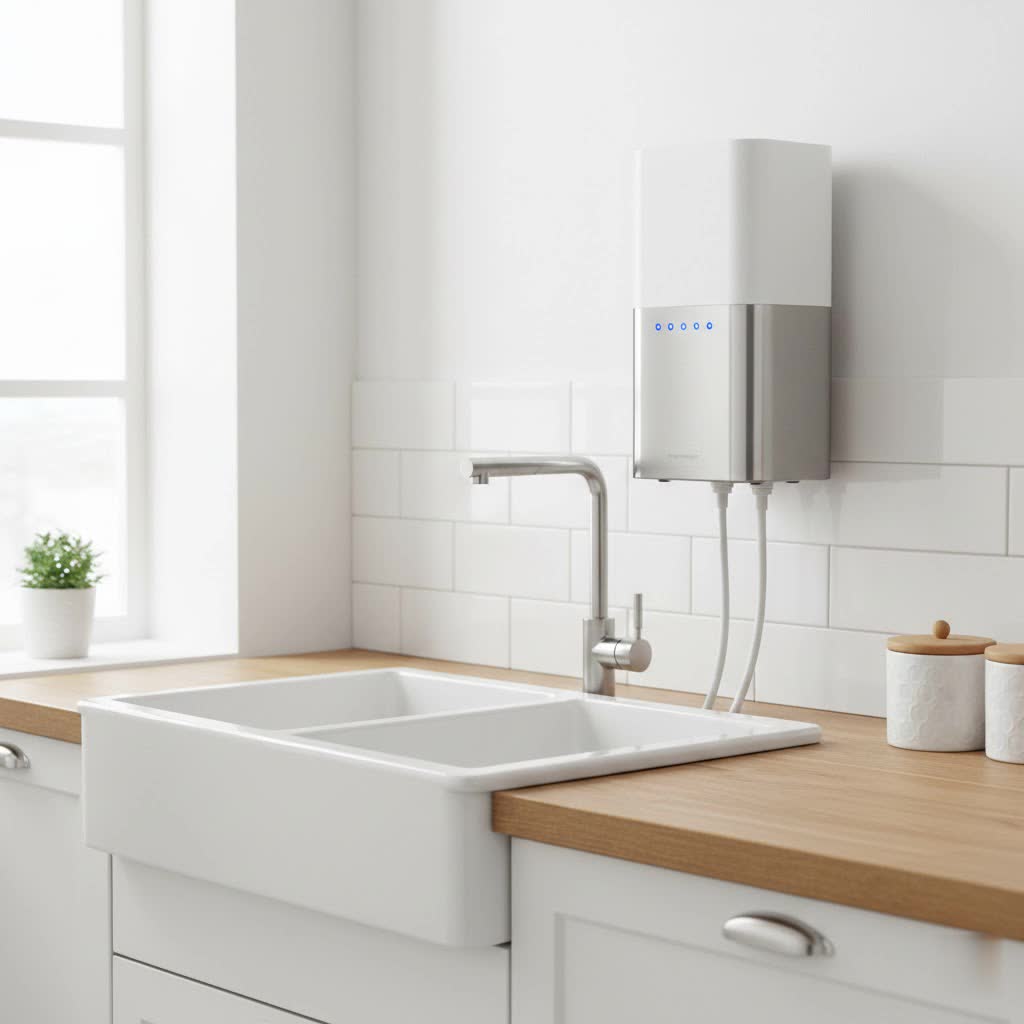
Ensuring the purity and safety of your drinking water is a top priority for any household. With concerns about tap water quality on the rise, many people are turning to home filtration systems. Among the most popular and effective options are Reverse Osmosis (RO) systems and Activated Carbon filters. While both aim to deliver cleaner, better-tasting water, they employ distinct mechanisms and offer varying levels of purification. Understanding these differences is crucial for making an informed decision about which system is best suited for your specific needs.
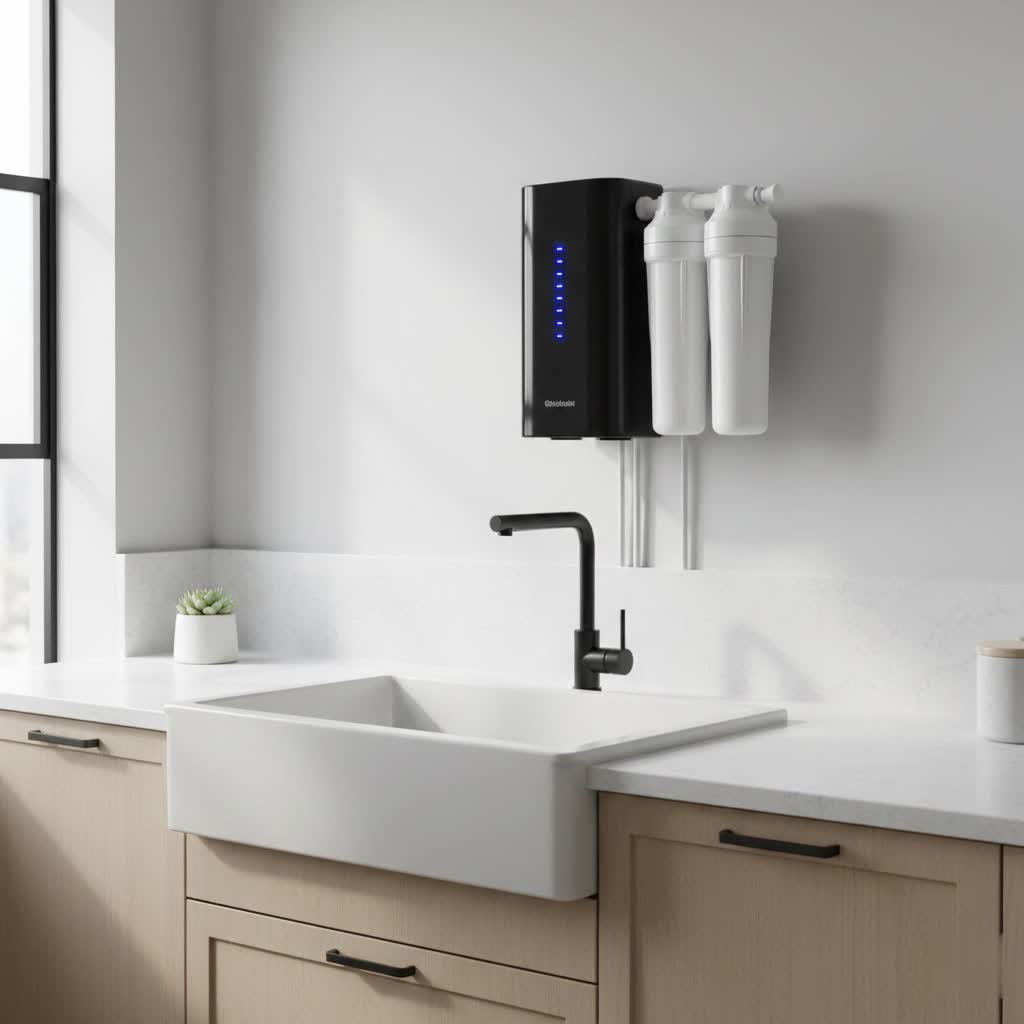
This comprehensive guide will delve into the intricacies of Reverse Osmosis and Activated Carbon filtration, comparing their operational principles, the contaminants they target, their respective advantages and disadvantages, and ultimately help you determine which technology provides the optimal solution for your home’s water quality.
Understanding Water Filtration Technologies
Clean water is fundamental to health and well-being. However, tap water can contain a range of impurities, from natural minerals to man-made chemicals. Water filtration systems are designed to remove these unwanted substances, improving both the safety and palatability of your drinking water. Reverse Osmosis and activated carbon filters represent two foundational technologies in home water purification, often used independently or in combination within multi-stage systems.
Reverse Osmosis (RO) Systems: A Deep Dive
Reverse Osmosis is a highly effective water purification process that pushes water through a semi-permeable membrane under pressure. This membrane has incredibly tiny pores, typically around 0.0001 microns, which are much smaller than most contaminants. This allows pure water molecules to pass through while rejecting a vast array of dissolved solids and impurities. The rejected contaminants are then flushed away with a portion of the wastewater.
How Reverse Osmosis Works
Table is empty.The RO process usually involves multiple stages: a sediment filter to remove larger particles, a carbon pre-filter to tackle chlorine and organic compounds, the RO membrane itself for microscopic contaminant removal, and often a post-carbon filter to polish the water’s taste before it reaches your faucet. This multi-stage approach ensures thorough purification and extends the life of the delicate RO membrane. The system relies on water pressure to operate, pushing water from a higher concentration of contaminants to a lower concentration, thereby producing highly purified water.
What Reverse Osmosis Removes
RO systems are renowned for their ability to remove a wide spectrum of contaminants that many other filters cannot. This includes up to 97% of Total Dissolved Solids (TDS), which encompasses inorganic salts and minerals. Beyond TDS, RO effectively targets:
- Heavy Metals: Lead, arsenic, mercury, chromium, cadmium.
- Salts and Minerals: Sodium, calcium, magnesium.
- Chemical Contaminants: Fluoride, nitrates, nitrites, sulfates, pesticides, herbicides, chlorine, chloramines, PFAS (“forever chemicals”), and various pharmaceuticals.
- Microbiological Impurities: Bacteria, viruses, and other microorganisms.
- Microplastics: Increasingly a concern, RO membranes can effectively remove these tiny plastic particles.
Advantages of RO Water
The benefits of an RO system extend beyond mere contaminant removal. The exceptional purity it offers leads to noticeably improved water quality.
- Superior Contaminant Removal: RO provides the highest level of purification available for home use, ensuring virtually all harmful substances are eliminated.
- Improved Taste and Odor: By removing chlorine, sulfur, and other odor-causing compounds, RO water often tastes cleaner and crisper, enhancing the flavor of beverages and food prepared with it.
- Health and Safety: Reduces the risk of waterborne illnesses and exposure to dangerous chemicals, offering peace of mind, especially for vulnerable populations like children and the elderly.
- Reduced Reliance on Bottled Water: Having purified water on tap minimizes the need for costly and environmentally impactful bottled water.
Disadvantages of RO Water
Despite its impressive purification capabilities, Reverse Osmosis systems do come with certain trade-offs that consumers should consider.
- Water Wastage: A significant drawback of traditional RO systems is the amount of water sent to the drain. For every gallon of purified water produced, 2-4 gallons of wastewater can be generated, though modern high-efficiency systems are improving this ratio.
- Mineral Removal: RO removes both harmful and beneficial minerals (like calcium and magnesium) from water. While some argue for the importance of these trace minerals in drinking water, others believe dietary intake is sufficient. Remineralization filters can be added to reintroduce healthy minerals.
- Slower Filtration Rate: The meticulous process of pushing water through a fine membrane means RO systems typically have a slower flow rate than carbon filters and often require a storage tank for filtered water.
- Initial Cost and Maintenance: RO systems generally have a higher upfront cost for installation and require periodic replacement of multiple filter stages and the RO membrane, incurring ongoing expenses.
- Potential for Slightly Acidic Water: The removal of minerals can sometimes lead to RO water having a slightly acidic pH, which some users find undesirable.
“Reverse osmosis systems offer unparalleled purity, making them an excellent choice for targeted removal of specific, stubborn contaminants like fluoride and heavy metals. However, the balance of contaminant removal with mineral content and water efficiency is a critical consideration for homeowners.” – Dr. Elena Petrova, Environmental Water Quality Specialist
Activated Carbon Filters: The Essential Purifier
Activated carbon filtration is one of the oldest and most widely used methods for water purification. It operates on the principle of adsorption, where impurities in the water are attracted to and trapped on the vast surface area of the porous carbon material. Activated carbon is typically made from organic materials like wood, coal, or coconut shells, which are processed to become highly porous.
How Carbon Filtration Works
As water flows through the activated carbon filter, organic compounds and chemicals are adsorbed onto the surface of the carbon particles. This process is particularly effective for larger molecules that bind easily to the carbon’s surface. There are two main types of activated carbon filters:
- Granular Activated Carbon (GAC): Consists of loose carbon granules, offering a large surface area for adsorption. Water flows through it relatively quickly.
- Carbon Block Filters: Made from powdered carbon compressed into a solid block. These are denser, provide a larger contact time with water, and are generally more effective at removing a broader range of chemicals and smaller particulates than GAC.
What Carbon Filters Remove
Carbon filters are highly effective at improving the aesthetic qualities of water and removing common chemical contaminants. Their primary strengths include:
- Chlorine and Chloramines: Excellent at removing these disinfectants, which are often responsible for unpleasant tastes and odors in municipal tap water.
- Volatile Organic Compounds (VOCs): This includes pesticides, herbicides, industrial solvents, and other organic chemicals.
- Improved Taste and Odor: By adsorbing chlorine and organic compounds, carbon filters significantly enhance the taste and smell of water.
- Some Particulates: Depending on the micron rating, carbon filters can remove sediment, rust, and dirt.
- Limited Heavy Metals (with specialized filters): Some carbon filters are impregnated with specific materials to enhance their ability to reduce lead and occasionally fluoride.
Advantages of Carbon Filtration
Carbon filters offer a practical and often more economical solution for many common water quality issues.
- Cost-Effective: Generally less expensive to purchase and maintain than RO systems, making them an accessible option for many households.
- No Water Wastage: Unlike RO, carbon filtration does not produce wastewater, making it a more environmentally friendly choice in terms of water conservation.
- Retains Beneficial Minerals: Carbon filters do not strip water of naturally occurring minerals like calcium and magnesium, which some people prefer for taste and health reasons.
- High Flow Rate: Carbon filters typically allow water to flow through at a faster rate, providing on-demand filtered water without significant pressure drops.
- Easy Maintenance: Filter replacement is usually straightforward and can be done by the homeowner without specialized tools.
Disadvantages of Carbon Filtration
While effective for many contaminants, carbon filters have limitations, particularly when dealing with microscopic impurities and dissolved solids.
- Limited Contaminant Removal: Carbon filters are not effective against dissolved inorganic solids (TDS), bacteria, viruses, nitrates, perchlorate, or many heavy metals unless specifically designed to do so (e.g., lead-reducing carbon blocks). They generally remove only 10-15% of TDS.
- No Microbiological Protection: They do not reliably remove bacteria or viruses, which means they are not suitable for purifying microbiologically unsafe water without additional treatment.
- Requires Regular Replacement: The adsorption capacity of activated carbon is finite. Filters must be replaced regularly (typically every 6-12 months) to prevent saturation and potential bacterial growth within the filter media, which can lead to contaminants “channeling” through.
Reverse Osmosis vs. Carbon Filters: A Head-to-Head Comparison
Choosing between an RO system and a carbon filter boils down to understanding your specific water quality concerns and priorities. Here’s a direct comparison of their key attributes:
| Feature | Reverse Osmosis (RO) Systems | Activated Carbon Filters |
|---|---|---|
| Mechanism | Semi-permeable membrane, pressure-driven separation (0.0001 micron) | Adsorption onto porous carbon material (0.5-50 microns) |
| Primary Removal | TDS (up to 97%), heavy metals, fluoride, nitrates, microbes, chlorine | Chlorine, chloramines, VOCs, taste, odor, some particulates |
| Mineral Retention | Removes beneficial minerals | Retains beneficial minerals |
| Water Wastage | Produces wastewater (1:3 to 1:5 ratio) | No wastewater |
| Filtration Speed | Slower, often requires storage tank | Faster, on-demand flow |
| Initial Cost | Higher | Lower |
| Maintenance Cost | Moderate (multiple filter changes, membrane replacement) | Lower (single or multiple filter changes) |
| Installation Complexity | More complex (plumbing connections, drain line) | Simpler (under-sink, faucet mount) |
| pH Impact | Can slightly lower pH (more acidic) | Generally no significant impact on pH |
| Typical Application | Comprehensive purification, problematic water sources (high TDS, heavy metals, microbes) | Aesthetic improvement, chlorine/VOC removal, general filtration |
Key Differences Explained
The fundamental difference lies in their filtration mechanisms and the size of contaminants they can target. RO acts as a microscopic sieve, physically blocking almost everything larger than a water molecule. Carbon filters, on the other hand, attract and hold contaminants through chemical bonding (adsorption).
This difference translates into distinct capabilities. If your primary concern is the taste and odor of chlorine in city water, and you want to retain natural minerals, a carbon filter is often the more practical and economical choice. However, if your water source has known issues with heavy metals, fluoride, nitrates, or you simply desire the purest possible water with the lowest TDS, an RO system offers a level of purification that carbon alone cannot match.
Choosing the Right System for Your Home
The “better” choice between Reverse Osmosis and carbon filters is entirely dependent on your individual circumstances and water quality. There’s no one-size-fits-all answer.
Assessing Your Water Quality
Before investing in any filtration system, it is vital to understand what’s actually in your water.
- Local Water Report: If you’re on a municipal water supply, your utility company publishes an annual Consumer Confidence Report (CCR) detailing water quality and contaminants.
- Water Testing: For private well users, or if you have specific concerns about your municipal water not covered by the CCR (e.g., old pipes contributing lead), professional water testing is highly recommended. This will identify specific contaminants and their concentrations.
Considering Your Needs
Once you know what’s in your water, consider your priorities:
- Purity Level: Do you need to remove virtually all dissolved solids and a broad spectrum of contaminants (RO), or are you mainly concerned with taste, odor, and common chemicals (Carbon)?
- Budget: How much are you willing to spend on initial installation and ongoing filter replacements?
- Environmental Concerns: Is water conservation a major factor? If so, the water waste of traditional RO might be a concern, although more efficient models are available.
- Mineral Content: Do you prefer water with naturally occurring minerals, or is ultra-pure water your goal?
- Space and Installation: RO systems tend to be bulkier and require more complex installation under the sink.
When to Choose RO
Opt for a Reverse Osmosis system if:
- Your water report or test reveals high levels of Total Dissolved Solids (TDS).
- You have concerns about heavy metals (lead, arsenic), fluoride, nitrates, or other hard-to-remove contaminants.
- You are on a private well and need comprehensive purification against a wide range of potential impurities, including bacteria and viruses.
- You desire water with a “bottled water” taste and purity.
When to Choose a Carbon Filter
A carbon filter is an excellent choice if:
- Your primary concern is improving the taste and odor of chlorinated tap water.
- You want to remove common chemicals like VOCs, pesticides, and herbicides.
- You prefer to retain beneficial minerals in your drinking water.
- You are looking for an affordable, easy-to-maintain, and water-efficient filtration solution for generally safe municipal water.
- You need a pre-filter to protect other advanced filtration stages, such as an RO membrane.
The Benefit of Combining Both
Many advanced home water filtration systems, especially RO units, integrate activated carbon filters as part of their multi-stage process. Carbon pre-filters protect the delicate RO membrane from chlorine damage, while post-carbon filters enhance the final taste of the purified water. This combination leverages the strengths of both technologies, providing comprehensive purification and optimal water quality.
Maintenance and Longevity
Regardless of the system you choose, regular maintenance is paramount to ensuring its effectiveness and longevity.
- Filter Replacement Schedules: Always adhere to the manufacturer’s recommended replacement schedule for all filters and RO membranes. Failing to do so can lead to reduced performance, channeling in carbon filters, or membrane degradation in RO systems. Typically, carbon filters require replacement every 6-12 months, while RO membranes last 2-3 years.
- System Cleaning: Periodic cleaning of the system, especially storage tanks in RO units, can prevent bacterial buildup and maintain water quality.
- Professional Checks: While much of the maintenance can be DIY, an annual professional check-up can identify potential issues and ensure your system is operating at peak efficiency.
Conclusion
The journey to finding the ideal water purification system for your home culminates in a thoughtful evaluation of your unique circumstances. Both Reverse Osmosis and activated carbon filters serve vital roles in enhancing water quality, but they do so with different strengths and limitations. Reverse Osmosis excels in providing unmatched purity, meticulously removing an extensive array of contaminants, including dissolved solids, heavy metals, and microbes. However, this comes with considerations such as water waste, mineral removal, and a higher upfront investment. Activated carbon filters, on the other hand, offer an accessible, efficient, and cost-effective solution for significantly improving taste and odor by effectively tackling chlorine and organic chemicals while preserving beneficial minerals.
Ultimately, the choice hinges on your specific water quality challenges, your desired level of purity, your budget, and your environmental priorities. By assessing your local water report or conducting a water test, you can pinpoint the contaminants of concern and make an informed decision. Often, the most robust solution involves a combination of both technologies, leveraging the superior purification of RO alongside the taste-enhancing and pre-treatment benefits of activated carbon. Are you ready to take the next step towards cleaner, safer, and better-tasting water for your family?