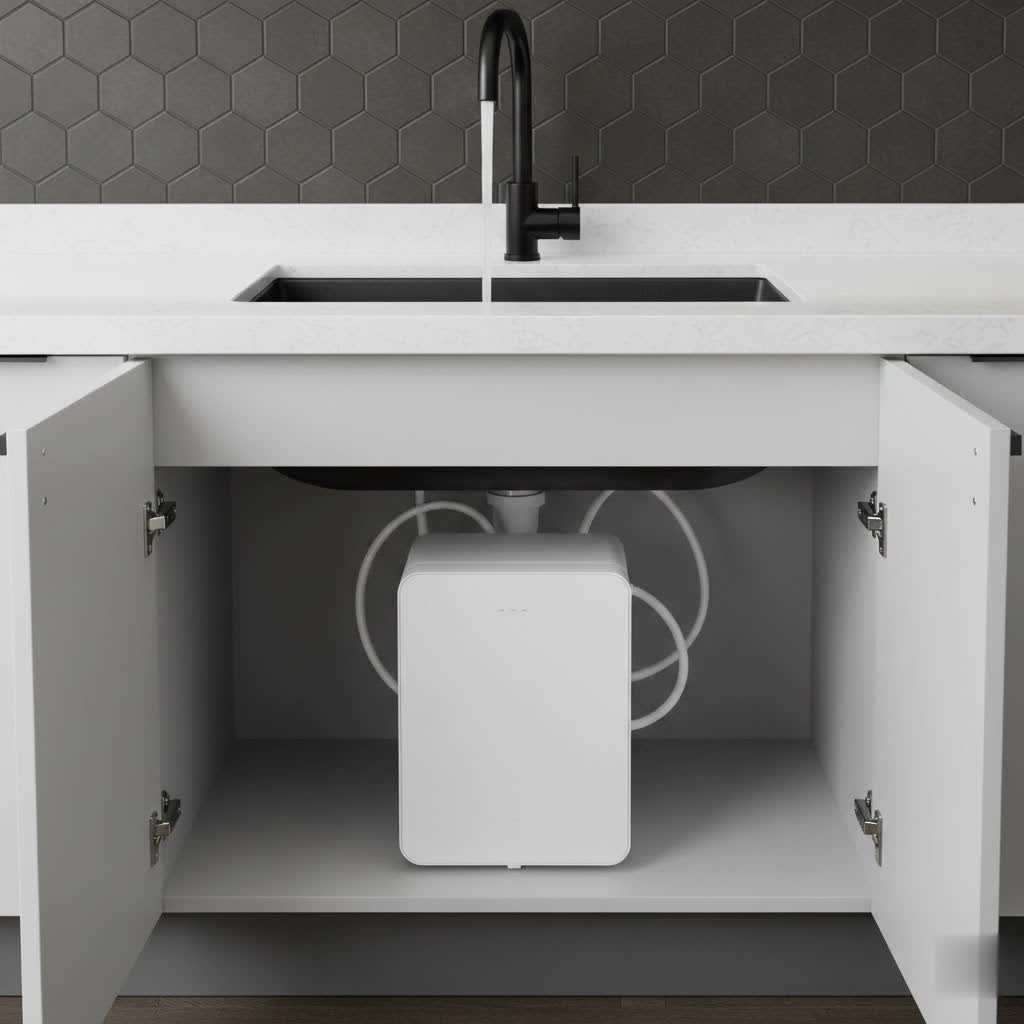
In an era where clean drinking water is paramount, Reverse Osmosis (RO) systems stand as a cornerstone of home water purification. They diligently remove impurities, delivering crisp, clean water directly to your tap. But how can you be certain your RO system is performing optimally, year after year? The answer lies in a small yet powerful tool: the TDS meter. For every RO system owner, understanding and utilizing a Total Dissolved Solids (TDS) meter is not just a recommendation—it’s an essential practice for guaranteeing the purity and longevity of your water filtration.
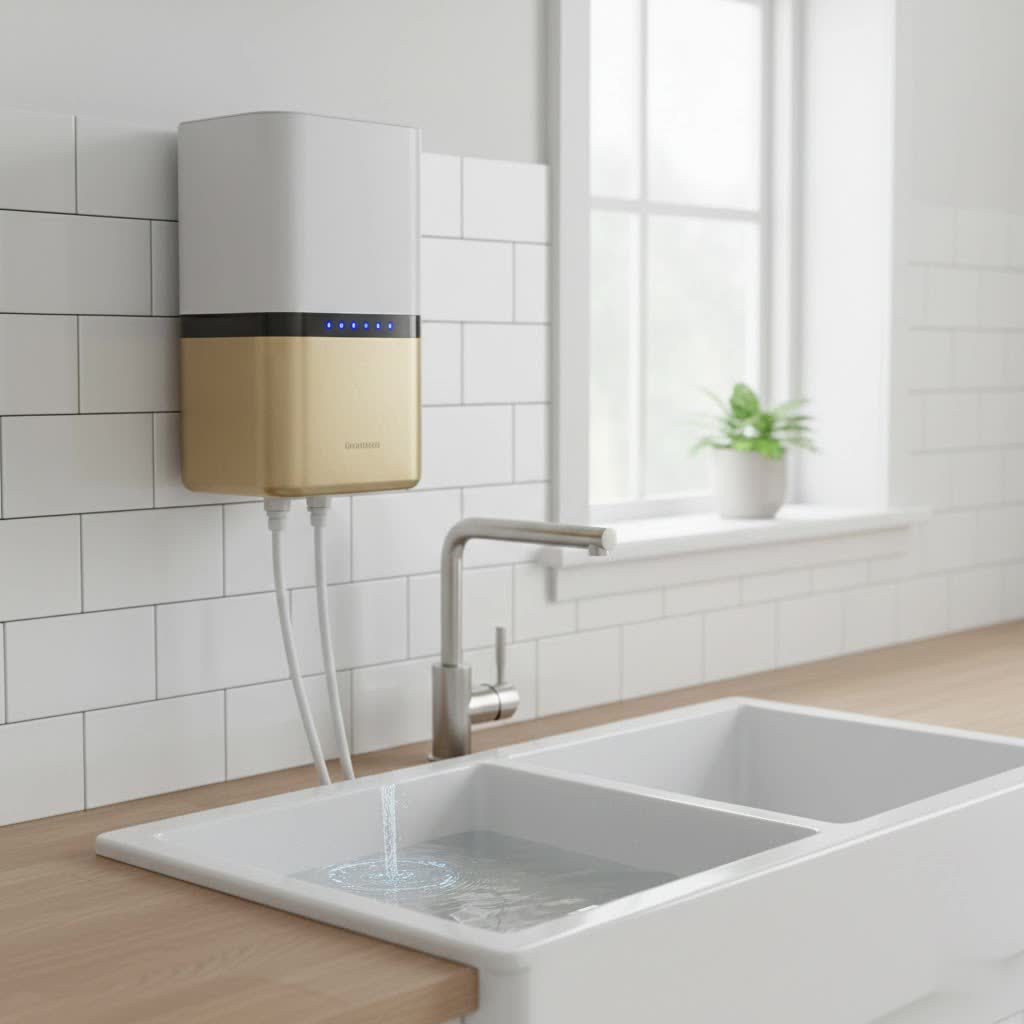
What is TDS? Understanding Total Dissolved Solids
Table is empty.Total Dissolved Solids (TDS) refer to the combined concentration of all inorganic and organic substances dissolved in water. These substances can include minerals, salts, metals, and even some organic matter. TDS is typically measured in parts per million (ppm) or milligrams per liter (mg/L). While not all dissolved solids are harmful, a high TDS level can indicate the presence of undesirable contaminants, affecting water taste, odor, and even potentially health. For RO system owners, monitoring TDS provides a quick, quantifiable snapshot of water purity.
The Unsung Hero: Why a TDS Meter is Indispensable for Your RO System
An RO system works by forcing water through a semi-permeable membrane that filters out dissolved solids, leaving behind purified water. A TDS meter serves as your system’s report card, offering vital insights into its health and performance.
Monitoring RO Membrane Performance
The heart of any RO system is its membrane, responsible for rejecting the vast majority of dissolved solids. Over time, this membrane can degrade or become fouled, reducing its effectiveness. A TDS meter allows you to track the membrane’s rejection rate by comparing the TDS of your raw tap water to that of your purified RO water. Ideally, your RO water’s TDS should be significantly lower—typically 3-10% of your tap water’s TDS, indicating a healthy membrane. A consistent increase in the product water’s TDS reading signals that your RO membrane is weakening and may need replacement.
Ensuring Water Purity and Safety
Without a TDS meter, you’re essentially operating your RO system blind. While RO systems are highly effective, mechanical failures or filter issues can compromise water quality. Regular TDS testing provides peace of mind, confirming that your system is actively removing contaminants and delivering the clean water you expect. It’s a direct way to verify the system is functioning as intended, protecting your family from unwanted dissolved impurities.
Optimizing Filter Replacement Schedules
RO systems typically include pre-filters (sediment and carbon) that protect the delicate RO membrane. Clogged pre-filters can lead to reduced water pressure and, consequently, higher TDS in your filtered water, putting strain on the RO membrane. By monitoring TDS, you can identify when pre-filters might be struggling, allowing for timely replacement before they negatively impact the RO membrane. Similarly, a noticeable increase in post-RO TDS can indicate it’s time to replace the main RO membrane itself, preventing unnecessary filter changes or prolonged consumption of less-than-optimal water.
Maintaining Water Taste and Quality
Even safe water can taste unpleasant if its TDS levels are too high or too low. While RO aims for low TDS, some advanced systems include remineralization filters to add back beneficial minerals for improved taste and a balanced pH. A TDS meter helps you ensure your water’s TDS falls within a desirable range, enhancing its palatability. The World Health Organization (WHO) suggests that while water with TDS levels below 300 ppm is generally palatable, levels above 600 ppm may start to have an unpleasant taste.
“A TDS meter acts as your water quality dashboard, offering immediate feedback on the efficiency of your RO system and empowering you to make informed maintenance decisions.” – John Smith, Water Purification Expert
How to Effectively Use Your TDS Meter with an RO System
Using a TDS meter is straightforward, but accuracy requires a few simple steps:
- Prepare Samples: Collect two clean glasses. Fill one with your raw tap water (before the RO system) and the other with water from your RO system’s filtered output. For the most accurate reading of the RO product water, allow the RO system to run for a few moments to flush out any “TDS creep” (a temporary increase in TDS from standing water in the lines).
- Test Tap Water: Turn on your TDS meter and dip the probe into the tap water sample. Gently swirl the meter and wait for the reading to stabilize. Record the ppm value.
- Test Product Water: Rinse the meter probe thoroughly with clean water, then dip it into the RO filtered water sample. Wait for the reading to stabilize and record the ppm value.
- Compare and Calculate Rejection Rate:
- Rejection Rate (%) = [(Tap Water TDS – Product Water TDS) / Tap Water TDS] x 100
- A well-functioning RO system should typically achieve a TDS rejection rate of 90% to 97%.
Regularly perform this test, ideally every few months or whenever you notice a change in your water’s taste or flow.
Decoding Your Readings: What Do TDS Levels Mean for Your RO Water?
Interpreting your TDS readings is key to proactive RO system management.
Ideal TDS Levels for RO Water
For most households, an ideal TDS level for RO water typically falls between 50-150 ppm. This range ensures significant purification while often allowing for a pleasant taste. Some experts also consider up to 300 ppm acceptable for drinking, though palatability might diminish at higher ends. For specific applications like aquariums or scientific uses, zero or near-zero TDS might be desired, often achieved with additional DI (deionization) filters after the RO membrane.
What High TDS Readings Indicate
If your RO product water shows a significantly higher TDS reading than usual, or if the rejection rate drops below 90%, it’s a clear signal that something is amiss:
- Degraded RO Membrane: The most common cause. The membrane’s pores may be enlarged or clogged, allowing more dissolved solids to pass through.
- Clogged Pre-filters: Sediment or carbon filters, when exhausted, can reduce water pressure to the RO membrane, making it less efficient and leading to higher output TDS.
- Incorrect Installation or Damaged Components: Issues like a wrongly inserted membrane, a defective membrane, a clogged check valve, or even a ruptured storage tank bladder can lead to elevated TDS.
- Low Water Pressure: Insufficient incoming water pressure can prevent the RO membrane from performing optimally.
What Low TDS Readings Can Mean
While ultra-low TDS (near 0 ppm) indicates extremely pure water, it’s not always the sole goal for drinking water. Water with very low TDS might taste “flat” due to the absence of minerals. Modern RO systems often include post-filters that add back beneficial minerals, subtly increasing the TDS to an optimal range for both health and taste.
Beyond the Basics: Advanced Tips for RO System Owners in 2026
As water purification technology evolves, so do the tools for monitoring it.
- Embrace Inline TDS Monitors: For continuous monitoring and ultimate convenience, consider installing an inline TDS meter. These devices provide real-time readings of both incoming and outgoing water, often with dual probes, allowing you to instantly assess system performance without manual sampling.
- Regular Meter Calibration: Handheld TDS meters can drift over time. Periodically calibrate your meter using a known TDS solution to ensure its accuracy.
- Know When to Seek Professional Testing: While a TDS meter is excellent for general monitoring, it measures total dissolved solids, not specific contaminants. If you have concerns about particular impurities (e.g., lead, pesticides, specific bacteria), a comprehensive laboratory water test is recommended.
- Leverage Smart RO Systems: The latest RO systems often integrate smart technology, including built-in TDS sensors and companion apps. These systems can track TDS levels automatically, alert you to maintenance needs, and even order replacement filters, streamlining your water purification management.
Conclusion
For RO system owners in 2026, a TDS meter is far more than a gadget; it’s an indispensable diagnostic tool that empowers you to take control of your water quality. From verifying membrane efficiency and optimizing filter changes to ensuring the purest, best-tasting water for your household, regular TDS monitoring provides clarity and confidence. Don’t leave your family’s water quality to chance—integrate a TDS meter into your routine and become an informed steward of your RO system. What steps will you take today to ensure your water’s purity is consistently monitored?
Frequently Asked Questions
How often should I test my RO water with a TDS meter?
It is recommended to test your RO water with a TDS meter every 3-6 months. However, if you notice a change in water taste, odor, or flow rate, or if your RO system has been recently serviced, it’s wise to test more frequently to quickly identify any issues.
Can a high TDS reading in RO water be dangerous?
While a high TDS reading in RO water primarily indicates that your RO system is not performing effectively in removing dissolved solids, exceedingly high levels could signify the presence of elevated concentrations of certain minerals or contaminants that might be detrimental to health or affect taste. It’s best to investigate the cause of high TDS readings promptly.
Does a TDS meter measure all contaminants?
No, a TDS meter only measures the total concentration of dissolved inorganic and organic substances that conduct electricity. It does not detect non-conductive contaminants like pesticides, chlorine, pharmaceuticals, or bacteria and viruses. For a complete understanding of water quality, specific laboratory tests are needed.
What is “TDS creep” and how can I avoid it?
TDS creep refers to a temporary rise in the TDS level of the initial water drawn from an RO system after it has been sitting idle. This occurs when highly purified water in the storage tank slowly mixes with a small amount of less purified water that may have diffused back through the membrane. To avoid TDS creep, simply flush your RO system by letting the faucet run for 1-2 cups before collecting a sample for testing or drinking.
Should I aim for 0 TDS in my RO water?
While a very low TDS (close to 0 ppm) indicates extremely high purity, it’s not always necessary or even desired for drinking water. Water with zero TDS can taste flat and may lack beneficial minerals. Many modern RO systems include a remineralization stage to add healthy minerals back into the water, resulting in an optimal drinking TDS range of 50-150 ppm.