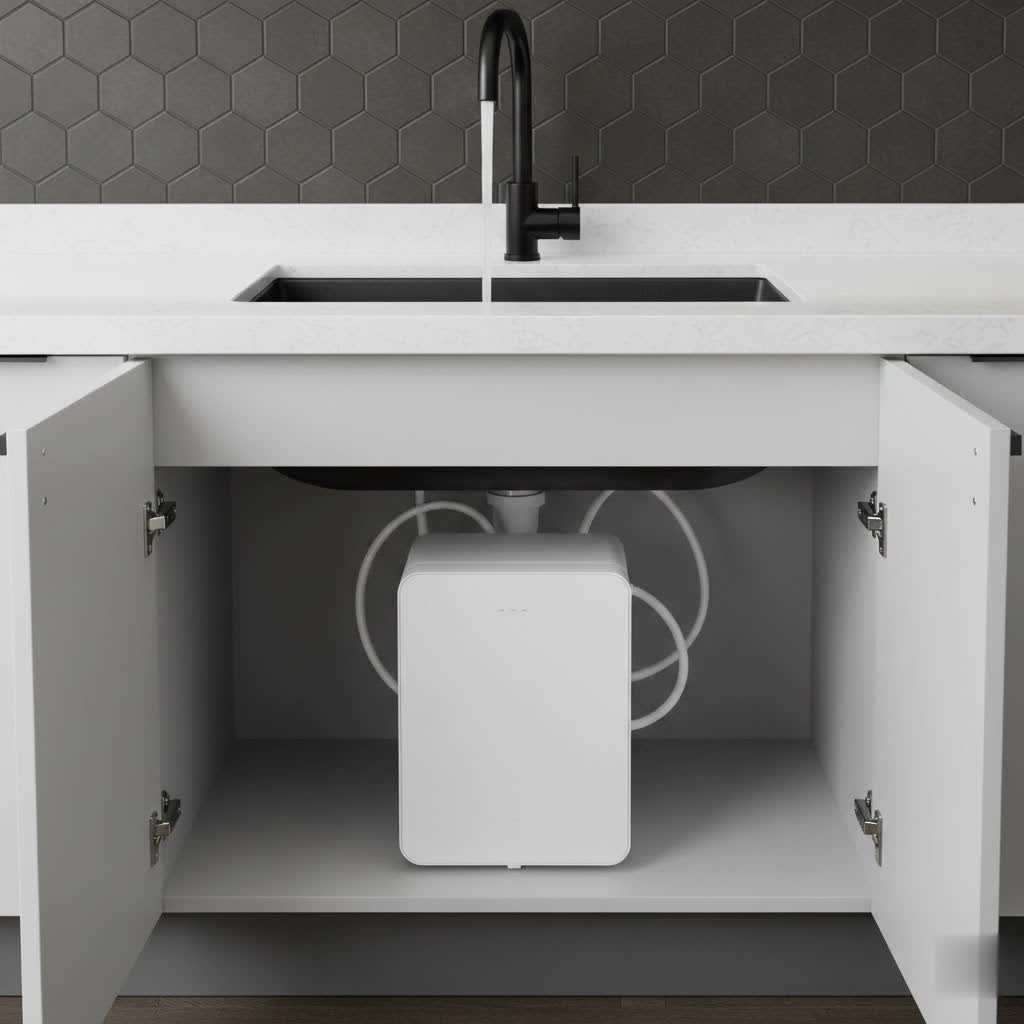
Imagine a world where crystal-clear, refreshing water flows directly from your tap, free from the lingering taste of chlorine or the unseen threat of contaminants. For many, this sounds like a luxury, but with advanced water filtration systems, it’s an achievable reality. The APEC ROES-50, a prominent name in the under-sink reverse osmosis market, often emerges as a top contender for those seeking premium water quality without breaking the bank. But does this budget-friendly system truly deliver on its promises, or is it merely another compromise? This comprehensive review delves into the APEC ROES-50, examining its performance, ease of use, and overall value to help you decide if it’s the ideal solution for your home.
Understanding the APEC ROES-50 System
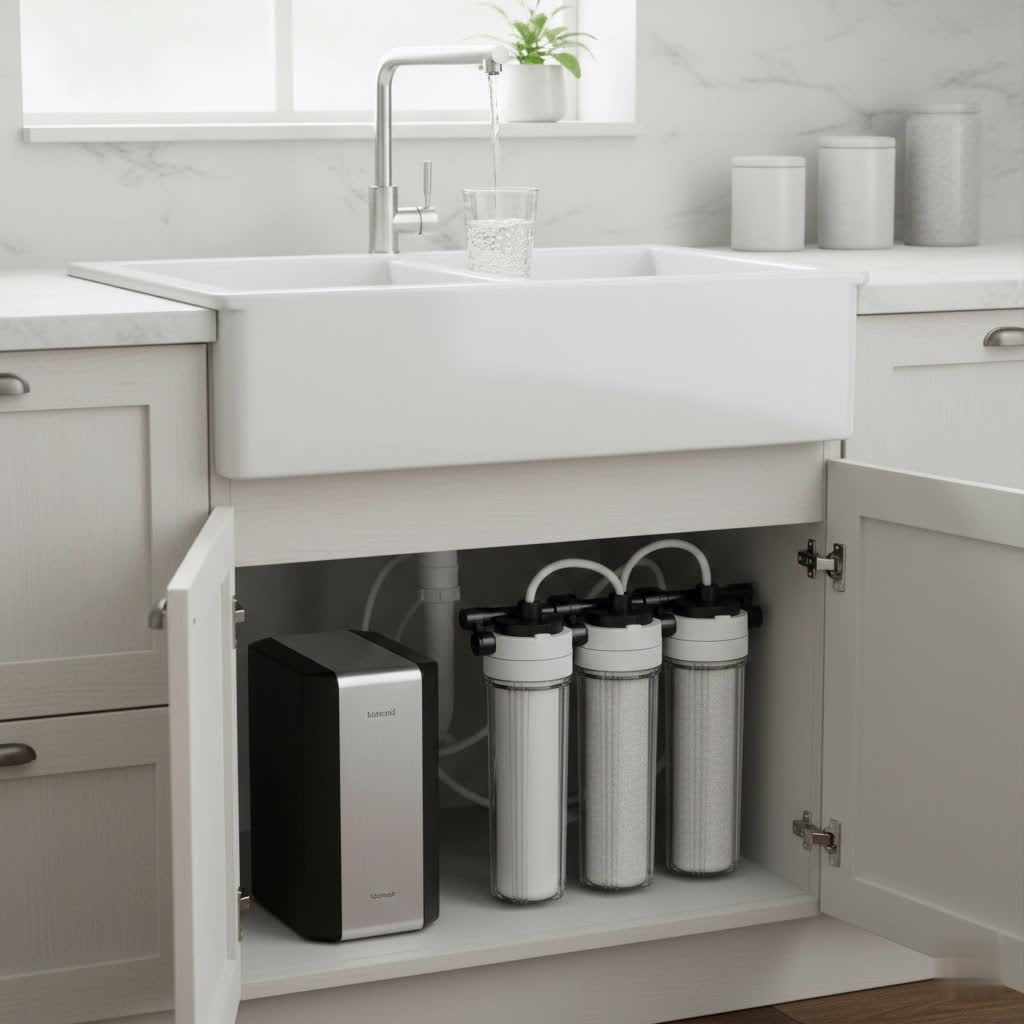
The APEC ROES-50 is a 5-stage reverse osmosis drinking water filtration system designed to provide ultra-pure water. This robust system utilizes a multi-layered approach to tackle a broad spectrum of water impurities, ensuring that what reaches your glass is exceptionally clean. Its core function relies on reverse osmosis, a technology renowned for its effectiveness in purifying water.
The filtration process begins with a 1st stage sediment filter, which acts as the first line of defense, trapping larger particles like rust, dust, and sand. This crucial step protects subsequent filters, extending their lifespan. Following this, two carbon block filters (2nd and 3rd stages) work in tandem to eliminate unpleasant chlorine tastes and odors, cloudiness, colors, volatile organic compounds (VOCs), and other common chemicals. The heart of the system is the 4th stage high-rejection TFC reverse osmosis membrane. This semi-permeable membrane effectively reduces up to 99% of dissolved solids and a vast array of contaminants, including arsenic, lead, fluoride, chromium, radium, bacteria, and viruses. Finally, a 5th stage coconut shell refining carbon filter polishes the water, removing any potential residual tastes or odors that might have developed during storage in the tank, ensuring a truly fresh finish. The system typically includes a 4-gallon pressurized tank and a premium lead-free faucet, capable of producing 50 gallons per day (GPD) under optimal conditions.
Performance: Pure Water, Uncompromised Taste
When it comes to water purification, the APEC ROES-50 consistently receives high marks for its exceptional contaminant removal capabilities. Lab tests frequently demonstrate its ability to reduce Total Dissolved Solids (TDS) by 99%, transforming tap water with hundreds of parts per million (ppm) of impurities into water with single-digit ppm. This impressive filtration extends to over a thousand different contaminants. For instance, testing has shown 100% eradication of chlorine, sulfate, copper, and iron, along with significant reductions in lead, fluoride, arsenic, and PFAS (forever chemicals).
Beyond the numbers, the true test of a water filtration system lies in the taste. The APEC ROES-50 shines in this regard, with users consistently describing the filtered water as crisp, neutral, refreshing, and often superior to expensive bottled water. Unlike some other RO systems, the APEC ROES-50 does not include a remineralization stage. This design choice appeals to those who prefer a purely neutral water taste, free from any added mineral flavors. The final post-carbon filter effectively removes any lingering tastes from the storage tank, ensuring that every glass is as clean and pure as possible.
Is it Truly “Budget-Friendly”? A Cost Analysis
One of the most compelling aspects of the APEC ROES-50 is its affordability, solidifying its reputation as a leading budget-friendly option in the reverse osmosis market. Typically priced around $200-$230, it offers an entry point to premium water filtration that often outperforms systems costing significantly more. This makes it an attractive choice for families and individuals who prioritize water quality but need to manage their household budget carefully.
The cost-effectiveness extends beyond the initial purchase. Replacement filters for the APEC ROES-50 are also reasonably priced, contributing to a lower overall cost of ownership over time. While annual filter replacement costs might be around $70-$80 for the pre-filters and post-carbon filter, and a new RO membrane every 2-3 years at a similar cost, the long-term savings compared to buying bottled water are substantial. Over five years, the APEC ROES-50 can save homeowners hundreds of dollars compared to competitors, making it an excellent investment for sustainable, high-quality drinking water.
Installation and Maintenance: DIY-Friendly or Frustrating?
For many homeowners, the thought of installing a complex water filtration system can be daunting. However, the APEC ROES-50 is widely regarded as a DIY-friendly system. The package typically includes clear, detailed instructions, color-coded tubing, and quick-connect fittings, which streamline the installation process. Most individuals with basic handyman skills can expect to complete the setup in approximately 2-3 hours. The compact design also allows it to fit neatly under most kitchen sinks without excessive hassle.
“The clear instructions and color-coded tubing make the ROES-50 surprisingly simple to set up, even for someone who isn’t a plumbing expert.”
While installation is generally straightforward, paying close attention to detail is key. Ensuring tubing is cut perfectly straight and all connections are securely fastened can prevent the occasional leak issues reported by some users. The system also comes with complete installation hardware, including a wrench, tank ball valve, feed water valve, and drain saddle, ensuring you have all the necessary components.
Maintenance primarily involves replacing the filters at recommended intervals. The pre-filters (sediment and carbon blocks) should typically be replaced every 6-12 months, the RO membrane every 2-3 years, and the post-carbon filter annually. While these are traditional housing filters that require a “C” spanner wrench to open, some users find them slightly more involved than modern twist-in designs. However, the use of industry-standard components means finding replacements is usually simple and cost-effective. One notable characteristic of the APEC ROES-50, typical for non-pumped RO systems, is its wastewater ratio, which can range from 3:1 to 5:1 (waste water to pure water). This is an important consideration for those mindful of water conservation. Additionally, the system does not have a filter life indicator, so tracking replacement schedules is manual.
Pros and Cons of the APEC ROES-50
To summarize, here’s a balanced look at the advantages and disadvantages of the APEC ROES-50:
Pros:
- Exceptional Value: One of the most affordable RO systems that delivers premium performance.
- Superior Contaminant Removal: Effectively removes up to 99% of 1000+ contaminants, including lead, fluoride, arsenic, chlorine, and more.
- Great-Tasting Water: Produces crisp, neutral, and refreshing water, often preferred over bottled water.
- DIY-Friendly Installation: Clear instructions, color-coded tubing, and quick-connect fittings make setup manageable for most.
- USA-Made Components: Designed, engineered, and assembled in the USA with high-quality filters.
- Lifetime Warranty: Backed by a lifetime warranty and US-based customer support, providing peace of mind.
- Standard Components: Uses industry-standard parts, simplifying filter replacement and parts sourcing.
- Good Capacity: 50 GPD production rate with a 4-gallon storage tank suitable for most households.
Cons:
- High Wastewater Ratio: Produces a significant amount of wastewater (typically 3:1 to 5:1), which can be a concern for water conservation.
- No Remineralization Stage: Does not add beneficial minerals back into the water, resulting in a slightly acidic pH (6.0-6.5).
- Traditional Filter Housings: Filter changes are less convenient than newer twist-in designs, requiring a wrench.
- No Filter Life Indicator: Users must manually track filter replacement schedules.
- Occasional Leak Reports: Some users have reported minor leaks, often linked to improper installation of the feed water valve or tubing.
- Drain Noise: The drain line may produce a trickling noise during operation.
Who Is the APEC ROES-50 Best For?
The APEC ROES-50 is an ideal choice for:
- Budget-conscious families: Those who want high-quality reverse osmosis water without a hefty price tag, both upfront and for ongoing maintenance.
- DIY enthusiasts: Individuals comfortable with basic home improvement projects will find the installation straightforward.
- Homeowners with specific contaminant concerns: If your municipal water report indicates high levels of lead, fluoride, arsenic, chlorine, or PFAS, this system offers robust protection.
- Those who prefer neutral-tasting water: If you enjoy the pure, crisp taste of water without added minerals, the ROES-50 is an excellent fit.
- Anyone looking for reliable, proven technology: With WQA Gold Seal certification and strong lab test results, it’s a trustworthy option.
Conclusion
The APEC ROES-50 stands out as a formidable contender in the market for budget-friendly reverse osmosis systems. It masterfully balances exceptional contaminant removal, refreshingly pure taste, and an attractive price point. While its higher wastewater ratio and lack of remineralization are considerations, its overall performance, ease of installation, and robust build quality offer undeniable value. For anyone seeking to elevate their home’s drinking water quality to bottled-water standards without overspending, the APEC ROES-50 presents a compelling case. Could this be the smart, economical choice for your family’s hydration needs?
Frequently Asked Questions
Is APEC ROES-50 worth the money?
|
Our Picks for the Best Water purifier in 2026
As an Amazon Associate I earn from qualifying purchases.
|
||
| Num | Product | Action |
|---|---|---|
| 1 | Bluevua RO100ROPOT Countertop Reverse Osmosis Water Filter System, Portable RO Filtration with Remineralization, No Installation, WQA Certified - ROPOT-UV, 6-Stage RO |

|
| 2 | PUR Plus Vertical Faucet-Mount Water Filtration System, Lead-Reducing Filter, Easy Installation, 100-Gallon Capacity, Compatible with External Aerators, Grey |
|
| 3 | Brita 27 Cup Water Filter Dispenser with Elite Filter, NSF Certified to Remove 99% of Lead, Reduces 30 Contaminants Including Microplastics, Mercury & Chlorine, SmartLight Indicator, BPA-Free, Black |
|
| 4 | DREO Reverse Osmosis Water Filter Countertop, RO Filtration System, 3:1 Pure to Drain, TDS & Filter Life & Autofill Pitcher, Installation-Free, Self-Cleaning Water Purifier, RO Water Filter |
|
| 5 | Brita Large Water Filter Pitcher for Tap and Drinking Water, Includes 1 Standard Filter, BPA-Free, Lasts Two Months, 10-Cup Capacity, Bright White |
|
| 6 | PUR 30-Cup Countertop Water Filter Dispenser, 1 Genuine PUR Filter, 2-in-1 Powerful Filtration, Lasts 2 Months or 40 Gallons, Dishwasher Safe, White/Blue (DS1800Z) |
|
| 7 | Waterdrop G3P600 Reverse Osmosis System, 8 Stage Tankless Reverse Osmosis Water Filter, NSF/ANSI 42 & 53 & 58 & 372 Certified, Under Sink RO System, 2:1 Pure to Drain, Smart LED Faucet |
|
| 8 | Brita Metro Water Filter Pitcher with SmartLight Change Indicator, BPA-Free, Replaces 1,800 Plastic Water Bottles a Year, Lasts Two Months, Includes 1 Filter, Small - 6-Cup Capacity, White |
|
| 9 | LifeStraw Personal Water Filter for Hiking, Camping, Travel, and Emergency Preparedness |
|
| 10 | Brita UltraMax Large Water Dispenser with Standard Filter, BPA-Free, Reduces Copper, Cadmium and Mercury Impurities, Lasts 2 Months or 40 Gallons, 27-Cup |
|
Absolutely. The APEC ROES-50 offers premium reverse osmosis performance at an exceptionally affordable price, making it one of the best value systems on the market for effective contaminant removal and great-tasting water.
How long do APEC ROES-50 filters last?
The pre-filters (sediment and carbon blocks) typically last 6-12 months, the RO membrane (the main purification stage) lasts 2-3 years, and the post-carbon filter should be replaced annually.
What contaminants does APEC ROES-50 remove?
The APEC ROES-50 removes up to 99% of over 1000 contaminants, including lead, fluoride, arsenic, chlorine, heavy metals, VOCs, bacteria, viruses, and PFAS (forever chemicals).
Is APEC better than iSpring?
Both APEC and iSpring offer high-quality RO systems. The APEC ROES-50 is often praised for its exceptional value and contaminant removal. The iSpring RCC7AK might be preferred if you specifically want a remineralization stage for alkaline water, or if you prefer a lower waste ratio found in models like the ROES-100.