Few sounds are as persistently irritating as an unexpected gurgle or hiss emanating from under your kitchen sink. If you own a reverse osmosis (RO) water filtration system, chances are this unwelcome noise is coming from its air gap faucet. This crucial component, while vital for maintaining your water quality, can sometimes become a source of unwelcome auditory disruption. Understanding why your RO air gap is making noise and how to address it can save you from endless frustration and ensure your system continues to deliver pristine drinking water.
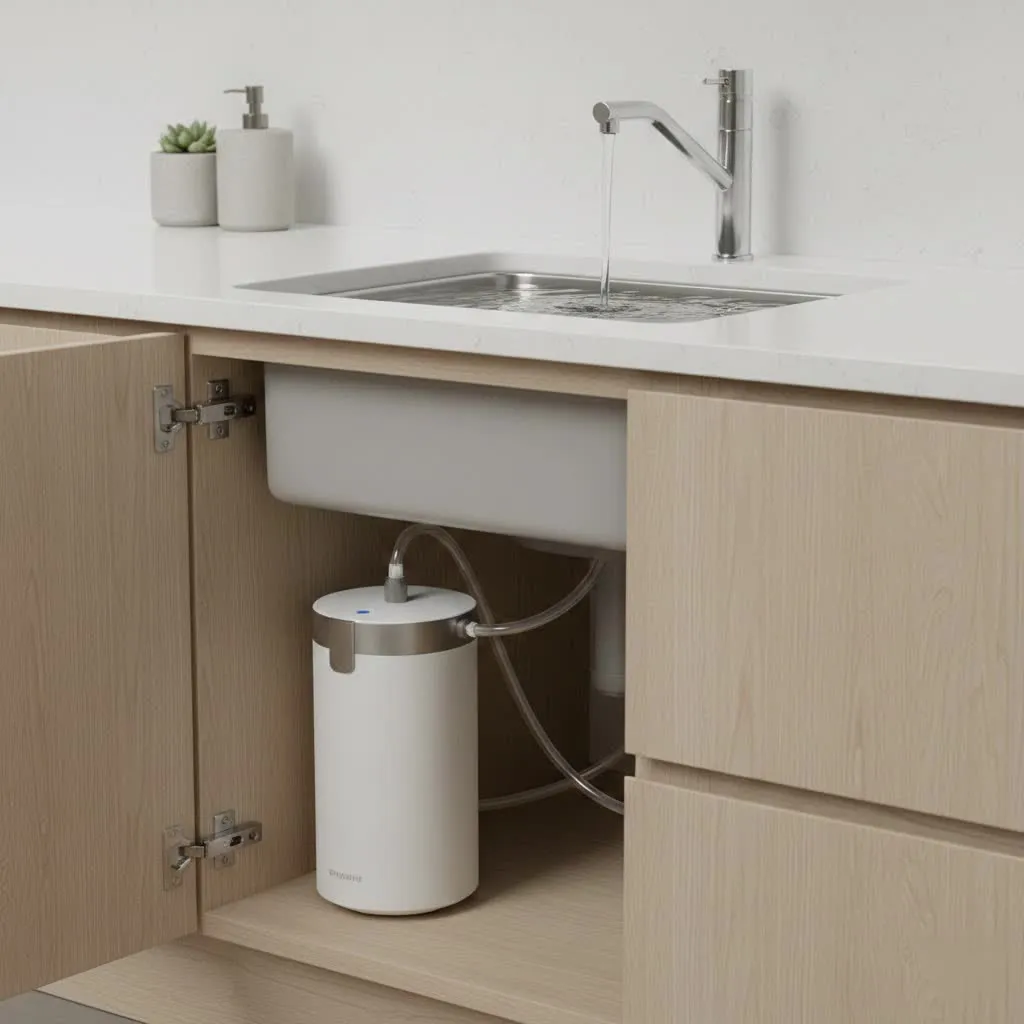
Understanding Your RO Air Gap: The Guardian of Your Water Quality
|
Our Picks for the Best Water purifier in 2026
As an Amazon Associate I earn from qualifying purchases.
|
||
| Num | Product | Action |
|---|---|---|
| 1 | Brita Metro Water Filter Pitcher with SmartLight Change Indicator, BPA-Free, Replaces 1,800 Plastic Water Bottles a Year, Lasts Two Months, Includes 1 Filter, Small - 6-Cup Capacity, White |

|
| 2 | PUR 30-Cup Countertop Water Filter Dispenser, 1 Genuine PUR Filter, 2-in-1 Powerful Filtration, Lasts 2 Months or 40 Gallons, Dishwasher Safe, White/Blue (DS1800Z) |
|
| 3 | Bluevua RO100ROPOT Countertop Reverse Osmosis Water Filter System, Portable RO Filtration with Remineralization, No Installation, WQA Certified - ROPOT-UV, 6-Stage RO |
|
| 4 | DREO Reverse Osmosis Water Filter Countertop, RO Filtration System, 3:1 Pure to Drain, TDS & Filter Life & Autofill Pitcher, Installation-Free, Self-Cleaning Water Purifier, RO Water Filter |
|
| 5 | Brita UltraMax Large Water Dispenser with Standard Filter, BPA-Free, Reduces Copper, Cadmium and Mercury Impurities, Lasts 2 Months or 40 Gallons, 27-Cup |
|
| 6 | Brita Large Water Filter Pitcher for Tap and Drinking Water, Includes 1 Standard Filter, BPA-Free, Lasts Two Months, 10-Cup Capacity, Bright White |
|
| 7 | Brita 27 Cup Water Filter Dispenser with Elite Filter, NSF Certified to Remove 99% of Lead, Reduces 30 Contaminants Including Microplastics, Mercury & Chlorine, SmartLight Indicator, BPA-Free, Black |
|
| 8 | Waterdrop G3P600 Reverse Osmosis System, 8 Stage Tankless Reverse Osmosis Water Filter, NSF/ANSI 42 & 53 & 58 & 372 Certified, Under Sink RO System, 2:1 Pure to Drain, Smart LED Faucet |
|
| 9 | PUR Plus Vertical Faucet-Mount Water Filtration System, Lead-Reducing Filter, Easy Installation, 100-Gallon Capacity, Compatible with External Aerators, Grey |
|
| 10 | LifeStraw Personal Water Filter for Hiking, Camping, Travel, and Emergency Preparedness |
|
Before diving into troubleshooting, it’s essential to understand what an RO air gap is and its critical role in your water filtration system. An RO air gap is a specialized fitting, usually integrated into your RO faucet or installed as a separate fixture on your countertop, designed to prevent contaminated drain water from flowing back into your clean drinking water supply. This backflow prevention is often a requirement of local plumbing codes, safeguarding your home from potential health hazards.
The air gap works by creating a physical break in the drain line, allowing air to enter. When the RO system produces purified water, it also generates a concentrated waste stream that goes down the drain. The air gap ensures that if there’s a blockage or back pressure in your home’s main drain, the dirty water cannot be siphoned back into your RO system and, by extension, your drinking water. You might notice your air gap faucet has three tube connections underneath: one for clean RO water and two smaller ones for the RO system’s drain water.
A certain amount of noise from your air gap is entirely normal. You will typically hear a slight hissing or gurgling sound when your RO system is actively filtering water, recharging its storage tank, or when your dishwasher is draining. This is simply the sound of air being pulled through the gap as waste water is discharged, a sign that the system is functioning as intended. However, if the noise becomes excessively loud, constant, or is accompanied by leaks, it signals a problem that requires your attention.
Why the Racket? Common Causes of a Noisy RO Air Gap
When your RO air gap transitions from a gentle whisper to an annoying clamor, it’s often an indication of an underlying issue. Identifying the cause is the first step toward a quiet, efficient system.
- Clogged Drain Line: This is, by far, the most common culprit behind a noisy or leaking RO air gap. Over time, the RO membrane rejects impurities, leading to a concentrated brine that is flushed down the drain. This brine can gradually deposit a jelly-like substance, mineral deposits (like calcium and sodium), or other debris within the narrow drain line. A blockage creates back pressure, forcing water and air to struggle through the constricted path, resulting in loud gurgling, hissing, or even leaks from the air gap.
- Improper Drain Line Routing: The path of the drain line from your RO system to the drain saddle is crucial. If the tubing has kinks, sharp bends, or creates loops, it can restrict water flow and cause air pockets, leading to excessive noise. An insufficient downward slope can also hinder proper drainage. Furthermore, if the drain saddle, which connects the RO drain line to your main sink drain, shifts out of alignment, it can impede waste water expulsion.
- Excessive Water Flow Rate: In some cases, the rate at which waste water flows through the RO system into the drain can be too high. This rapid flow can draw in a large volume of air through the air gap, creating a loud hissing sound reminiscent of an open air compressor hose. This issue might stem from a missing or improperly sized flow reducer within the system.
- Damaged Tubing: Just like any other plumbing component, the plastic tubing connected to your RO air gap can degrade over time. Cracks or splits in the drain tubing can allow air to be pulled in erratically, leading to unusual noises, or worse, water leaks.
- Submerged Drain Line: For an air gap to function correctly, its outlet must remain above the water level in your sink’s P-trap. If the drain line from the air gap becomes submerged in the P-trap water, it can create an unhealthy “wicking” effect, potentially drawing dirty water back into the system, and can also contribute to unusual gurgling or bubbling noises.
- RO System Malfunctions: While less common and often a symptom rather than a direct cause, certain RO system malfunctions can exacerbate air gap noise. For instance, if constant dripping or gurgling persists even after you’ve turned off the RO tank valve, it could indicate an issue with the system’s shut-off diaphragm, which regulates water flow.
Step-by-Step Troubleshooting: Silence Your RO Air Gap
Addressing a noisy RO air gap typically involves a methodical approach. Always prioritize safety before beginning any work under your sink.
Safety First: Preparing for the Fix
Before you start, ensure the area is safe.
- Turn Off Water Supply: Locate the cold water shut-off valve under your kitchen sink and turn it off. This will stop the water supply to your RO system.
- Unplug RO System (if applicable): If your RO system has a booster pump or any electrical components, unplug them from the power outlet.
- Depressurize the System: Open your RO faucet to release any remaining pressure in the lines.
Locating and Inspecting the Air Gap Faucet
Your RO air gap faucet usually has three lines connected underneath: two smaller lines for the drain and one larger line for the purified water. Focus on the drain lines.
Check for Drain Line Clogs
This is where you’ll likely find the solution.
- Disconnect Drain Hose: Under the sink, identify the black drain hose (or whatever color your system uses for waste water) connected to the quick-connect drain adaptor on your main sink drain or the air gap itself. Disconnect it. Have a small container or towel ready to catch any residual water.
- Inspect for Debris: Look inside the disconnected hose and the drain adaptor for any visible blockages, mineral deposits, or the dreaded jelly-like substance.
- Clean the Drain Line:
- Hose: Use a wire brush, pipe cleaner, or even a long, thin object like a screwdriver or pen to clear any clogs within the drain hose. You can also try blowing through the hose to dislodge blockages.
- Drain Adaptor/Saddle: Inspect the drain saddle (the clamp-like device on your main sink drain) to ensure it’s clean and properly aligned with the drain hole. Use a tool to verify the adaptor is clear.
- Flush the System: Reconnect the drain hose securely. Slowly turn the cold water supply back on. Allow the RO system to run and flush water for several minutes. Observe if the noise has subsided.
Verify Drain Line Routing and Connections
A kinked or poorly routed hose can be as problematic as a clog.
- Inspect Tubing Path: Ensure the drain line runs directly downwards with a consistent slope, avoiding any loops, sharp bends, or sagging sections that could trap water or air.
- Check for Submergence: Confirm that the end of the air gap drain line is not submerged in the water within your sink’s P-trap. Adjust the hose position if necessary to ensure a clear air break.
- Secure Connections: Make sure all tubing connections to the air gap faucet, drain saddle, and RO unit are snug and free of leaks.
Assess Water Flow
If the noise is a persistent, loud hiss, excessive water flow might be the cause.
- Flow Reducer: Some RO systems utilize a flow reducer (also called a flow restrictor) in the drain line to control the rate of waste water discharge. If this tiny component is missing or damaged, it can lead to an overly aggressive flow and significant air gap noise. Replacing or installing the correct flow reducer can often solve this. This might be a task best handled by a professional if you’re unsure about your system’s specifics.
Inspect for Tubing Damage
Even a small crack can make a difference.
- Visual Check: Carefully examine all the small tubing lines connected to your air gap and RO system for any visible cracks, splits, or wear. Damaged tubing may need to be replaced.
Evaluate RO System Health (If Noise Persists)
If you’ve addressed all the above and the noise continues, consider broader RO system issues.
- RO Tank Pressure: While not directly causing air gap noise, incorrect pressure in your RO storage tank (typically 6-8 psi when empty) can affect how your system processes water and might indirectly influence drainage cycles. A faulty automatic shut-off (ASO) valve can also lead to continuous draining and associated air gap noise. For these more complex issues, consulting your RO system’s manual or a certified technician is advisable.
“A persistent noise from your RO air gap isn’t just an annoyance; it’s your system telling you something needs attention. Most often, it’s a simple drain line clog, a quick fix that restores peace and protects your water.” – John Davis, Certified Plumbing Technician
Preventing Future Noise: Maintenance Tips
Once you’ve restored tranquility to your kitchen, consider these tips to keep your RO air gap quiet:
- Regular Drain Line Cleaning: Periodically disconnect and inspect your RO drain line for any buildup. A quick flush or scrub can prevent major clogs from forming. Consider using a natural cleaner formulated to dissolve mineral deposits.
- Proper Installation and Routing: Ensure that the RO system’s drain line maintains a continuous downward slope and avoids any unnecessary loops or kinks during installation or after maintenance.
- Avoid Flushing Debris: Be mindful of what goes down your sink drain, as large food particles or grease can contribute to clogs affecting your RO drain line.
When to Call a Professional
While many noisy air gap issues are simple DIY fixes, there are times when professional expertise is invaluable. If you’ve systematically worked through the troubleshooting steps and the noise persists, or if you suspect a more complex RO system component failure (like a faulty ASO valve or membrane), it’s best to call a qualified plumbing technician. They have the specialized tools and knowledge to diagnose and repair intricate RO system problems safely and effectively. Never attempt to bypass the air gap, as it is a crucial safety feature.
Conclusion
A noisy RO air gap can be a frustrating experience, but with a little investigation and some hands-on effort, you can often restore quiet and efficiency to your reverse osmosis system. From simple clogs in the drain line to ensuring proper tubing alignment, the solutions are usually straightforward. Remember that the air gap plays a vital role in protecting your drinking water from contamination, so while a little noise can be normal, persistent or loud sounds are a call to action. By understanding the common causes and following these troubleshooting steps, you empower yourself to maintain a high standard of water quality in your home. Have you experienced a noisy RO air gap, and what was your ultimate solution?
Frequently Asked Questions
Is a noisy RO air gap dangerous?
A constantly noisy RO air gap, especially if it’s accompanied by leaks, is typically a sign of a clogged drain line or improper installation, which can eventually lead to water damage or, in severe backflow situations (though rare with a functioning air gap), could compromise water quality. While the noise itself isn’t dangerous, the underlying issue might be.
Can I just bypass the RO air gap?
No, you should absolutely not bypass the RO air gap. It is a critical backflow prevention device designed to protect your potable water supply from contamination by dirty drain water and is often required by plumbing codes. Bypassing it creates a significant health risk.
How often should I clean my RO drain line?
The frequency depends on your water quality and system usage, but a good practice is to inspect and clean your RO drain line annually or whenever you notice persistent noise or reduced flow from the air gap. Regular maintenance helps prevent mineral buildup and the dreaded “jelly” clog.
What does an RO air gap sound like normally?
A normal RO air gap will typically produce a gentle hissing or gurgling sound when the RO system is actively making water or flushing waste into the drain. This sound is the audible sign of air entering the gap as waste water exits, preventing backflow.
My air gap is leaking water, what does that mean?
If your air gap is leaking water onto your countertop or into your sink, it almost always indicates a blockage in the RO system’s drain line. The water has nowhere else to go due to back pressure from the clog, so it exits through the air gap’s overflow port. You need to clear the drain line immediately.