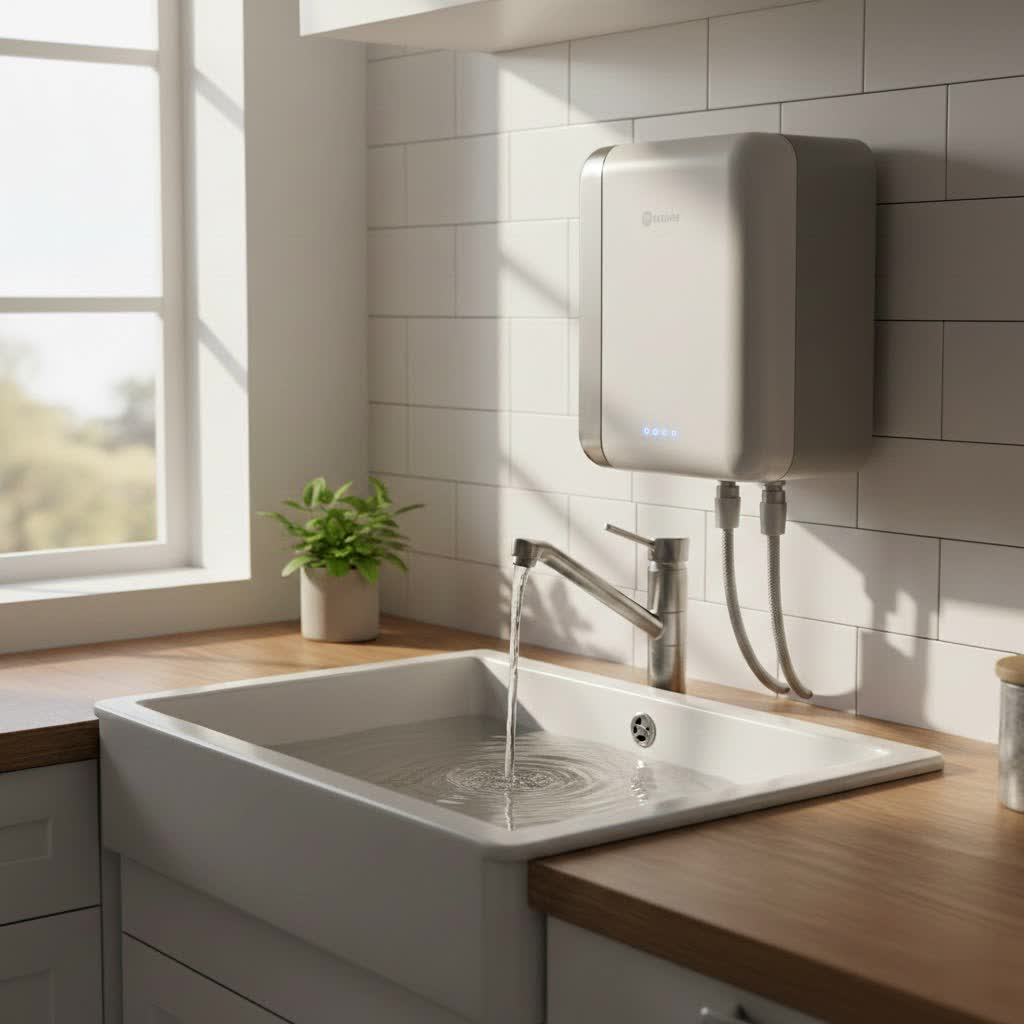
Reverse osmosis (RO) systems are champions of purification, diligently stripping away contaminants to deliver incredibly clean water. Yet, this thorough process often removes essential minerals, leaving your water with a distinctly flat or bland taste. If you’ve invested in an RO system but find yourself longing for the refreshing, crisp taste of naturally mineralized water, you’re not alone. The solution lies in remineralization, a simple yet transformative step that restores beneficial minerals, enhances flavor, and can even offer additional health advantages. This guide will walk you through various methods to infuse your RO water with the minerals it needs to taste great again.
Why Remineralize RO Water?
The reverse osmosis process is highly effective at removing a wide array of impurities, from heavy metals and chemicals to bacteria and viruses. This is achieved by forcing water through a semi-permeable membrane that only allows water molecules to pass through, leaving larger contaminants behind. While this ensures exceptional purity, it also means that naturally occurring minerals like calcium, magnesium, and potassium, which contribute to water’s distinct taste and body, are also filtered out.
The absence of these dissolved minerals results in what many describe as a “flat,” “empty,” or “neutral” taste. For some, this blandness can even discourage adequate water intake. Beyond taste, these minerals play vital roles in maintaining the water’s pH balance, which can become slightly acidic after RO filtration. Restoring these elements not only elevates the drinking experience but can also contribute to better hydration and overall well-being.
Effective Methods to Remineralize Your RO Water
Fortunately, there are several straightforward ways to reintroduce beneficial minerals into your RO water, ranging from integrated solutions to simple daily additions.
1. Remineralization Cartridges (Post-Filters)
|
Our Picks for the Best Water purifier in 2026
As an Amazon Associate I earn from qualifying purchases.
|
||
| Num | Product | Action |
|---|---|---|
| 1 | Brita Metro Water Filter Pitcher with SmartLight Change Indicator, BPA-Free, Replaces 1,800 Plastic Water Bottles a Year, Lasts Two Months, Includes 1 Filter, Small - 6-Cup Capacity, White |

|
| 2 | PUR Plus Vertical Faucet-Mount Water Filtration System, Lead-Reducing Filter, Easy Installation, 100-Gallon Capacity, Compatible with External Aerators, Grey |
|
| 3 | Brita UltraMax Large Water Dispenser with Standard Filter, BPA-Free, Reduces Copper, Cadmium and Mercury Impurities, Lasts 2 Months or 40 Gallons, 27-Cup |
|
| 4 | Brita 27 Cup Water Filter Dispenser with Elite Filter, NSF Certified to Remove 99% of Lead, Reduces 30 Contaminants Including Microplastics, Mercury & Chlorine, SmartLight Indicator, BPA-Free, Black |
|
| 5 | Brita Large Water Filter Pitcher for Tap and Drinking Water, Includes 1 Standard Filter, BPA-Free, Lasts Two Months, 10-Cup Capacity, Bright White |
|
| 6 | LifeStraw Personal Water Filter for Hiking, Camping, Travel, and Emergency Preparedness |
|
| 7 | Waterdrop G3P600 Reverse Osmosis System, 8 Stage Tankless Reverse Osmosis Water Filter, NSF/ANSI 42 & 53 & 58 & 372 Certified, Under Sink RO System, 2:1 Pure to Drain, Smart LED Faucet |
|
| 8 | PUR 30-Cup Countertop Water Filter Dispenser, 1 Genuine PUR Filter, 2-in-1 Powerful Filtration, Lasts 2 Months or 40 Gallons, Dishwasher Safe, White/Blue (DS1800Z) |
|
| 9 | Bluevua RO100ROPOT Countertop Reverse Osmosis Water Filter System, Portable RO Filtration with Remineralization, No Installation, WQA Certified - ROPOT-UV, 6-Stage RO |
|
| 10 | DREO Reverse Osmosis Water Filter Countertop, RO Filtration System, 3:1 Pure to Drain, TDS & Filter Life & Autofill Pitcher, Installation-Free, Self-Cleaning Water Purifier, RO Water Filter |
|
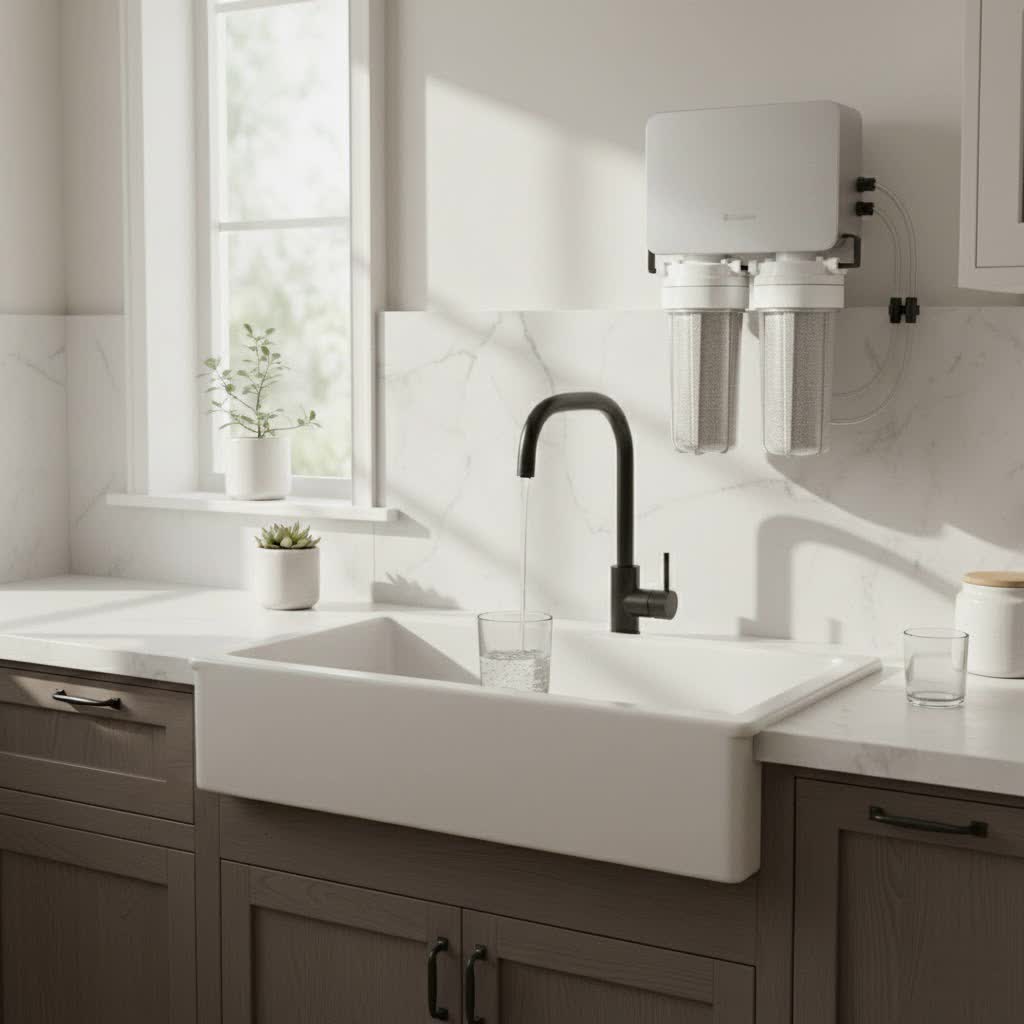
For those seeking an automatic and consistent solution, a remineralization cartridge is an excellent choice. These are specialized filters designed to be installed as the final stage of your existing RO system. As the purified water exits the RO membrane, it flows through the remineralization cartridge, which is typically filled with mineral media like calcium carbonate or magnesium oxide.
The water then naturally absorbs these minerals, enriching its content before it reaches your tap. This method is ideal for households that want a continuous supply of remineralized water with minimal effort, providing a balanced and great-tasting experience directly from the faucet. Installation usually requires basic plumbing knowledge or a professional.
2. Mineral Drops
Mineral drops offer a convenient and flexible way to remineralize water on demand. These liquid concentrates contain essential minerals like calcium, magnesium, and trace electrolytes that are easily added to individual glasses or pitchers of RO water. Most brands provide clear dosing instructions, allowing you to customize the mineral content to your personal taste preference or dietary needs.
The primary advantage of mineral drops is their ease of use and portability, making them perfect for treating water on the go or for those who don’t want to modify their existing RO system. However, this method requires manual addition for each serving, which might be less convenient for high-volume water consumption.
3. Alkaline Water Pitchers
Alkaline water pitchers are designed to both filter water and introduce beneficial minerals, simultaneously raising the water’s pH level. These pitchers typically feature a multi-stage filter that includes ion-exchange resins and mineral balls, which release elements like potassium, magnesium, and calcium into the water.
This method is particularly user-friendly and doesn’t require any installation, making it a popular choice for renters, small households, or anyone looking for a portable remineralization solution. While effective for treating small batches of water, alkaline pitchers do require regular cartridge replacement and occupy refrigerator space. The specific minerals and their concentrations can also vary significantly between different brands and models.
4. Mineral-Rich Salts
Adding a tiny pinch of mineral-rich salts, such as high-quality Himalayan pink salt or unrefined sea salt, can also contribute trace minerals to your RO water. These salts naturally contain a spectrum of elements beyond just sodium, including small amounts of calcium, magnesium, and potassium.
This DIY approach is incredibly cost-effective and readily available. However, it’s crucial to use this method sparingly. While a small amount can enhance taste, adding too much salt can lead to a noticeable salty flavor and significantly increase your sodium intake, which may be a concern for individuals monitoring their sodium levels. For health benefits, one would need to add amounts far exceeding daily recommendations, so this method is best for subtle taste enhancement.
5. Mixing with Natural Spring Water
For the purest and most natural form of remineralization, simply mix your RO water with natural spring water. Spring water is inherently mineralized and often contains electrolytes, contributing to a crisper taste and better hydration. A common ratio is 1:1, but you can adjust it to achieve your desired mineral content and taste profile.
This method offers a simple way to enjoy mineral-rich water without additional equipment or supplements. The main considerations are the cost and availability of quality spring water, as well as the need for storage space for both types of water.
6. DIY Solutions (Baking Soda or Trace Mineral Supplements)
Other do-it-yourself options include adding a tiny amount of baking soda (sodium bicarbonate) to your RO water, which can help raise its pH and introduce a small amount of sodium. Alternatively, specialized liquid trace mineral supplements, often available at health food stores, can be added to water.
While these methods are low-cost, achieving consistent and optimal results can be challenging. It’s essential to research proper dosages and understand the specific taste changes that might occur, as over-adding can lead to an undesirable flavor.
Choosing the Right Remineralization Method for You
Selecting the best way to remineralize your RO water depends on several factors:
- Your existing RO setup: Do you have an under-sink system that can accommodate a post-filter?
- Convenience: Are you looking for an automatic solution or are you comfortable with manual additions?
- Budget: Costs vary from one-time purchases (pitchers, drops) to ongoing filter replacements (cartridges, pitchers).
- Taste preference: Some methods offer a more subtle mineral enhancement, while others are more pronounced.
- Health considerations: If you have dietary restrictions, such as monitoring sodium intake, choose methods carefully.
Consider starting with a simpler method like mineral drops or an alkaline pitcher to gauge your preference for remineralized water before investing in a more integrated system.
Benefits of Drinking Remineralized Water
The advantages of putting minerals back into your RO water extend beyond just an improved taste:
- Enhanced Taste: The most immediate and noticeable benefit. Minerals add body and a refreshing quality that makes water more enjoyable to drink.
- Improved Hydration: Electrolytes like magnesium and potassium, often restored during remineralization, are crucial for proper cellular function and hydration.
- pH Balance: RO water can be slightly acidic. Remineralization often helps to raise the pH, making the water more alkaline, which some prefer for its potential health benefits.
- Supplemental Mineral Intake: While remineralized water shouldn’t be your sole source of essential minerals, it can contribute small, beneficial amounts of calcium, magnesium, and other trace elements to your daily intake.
Conclusion
Choosing a reverse osmosis system for your home is a smart move for pure drinking water. However, the journey to truly exceptional hydration doesn’t end there. By understanding why minerals are removed and how to effectively reintroduce them, you can transform your purified water from merely clean to truly refreshing and revitalizing. Whether you opt for the seamless integration of a remineralization cartridge, the flexibility of mineral drops, or the portability of an alkaline pitcher, restoring those essential minerals will unlock a superior taste experience and contribute to your overall well-being. Take the step to remineralize your RO water and savor every delicious, healthy sip. What method will you choose to enhance your drinking water today?
Frequently Asked Questions
Is RO water safe to drink without remineralization?
Yes, RO water is perfectly safe to drink without remineralization. The purification process effectively removes harmful contaminants, making it clean and potable. Remineralization primarily addresses the taste and can offer some additional health benefits, but it’s not essential for safety.
What minerals are best for remineralizing water?
The most commonly restored minerals are calcium, magnesium, and potassium. These are essential for human health and significantly contribute to water’s taste and pH balance. Trace elements like zinc and selenium may also be included in some remineralization products.
Does remineralizing water change its pH?
Yes, most remineralization methods, especially those using calcium and magnesium compounds, will increase the pH of RO water, making it more alkaline. RO water tends to be slightly acidic due to the absence of buffering minerals, so remineralization helps to restore a more neutral or slightly alkaline pH.
How often should I remineralize my RO water?
If you’re using a remineralization cartridge, it typically works continuously as water flows through your RO system, requiring replacement every 6-12 months. For mineral drops or salts, you remineralize each glass or pitcher of water as you consume it. Alkaline pitchers also require regular filter replacement, usually every 2-3 months.
Can I use tap water to remineralize RO water?
It is not recommended to use untreated tap water to remineralize RO water, as this would reintroduce the very contaminants that your RO system was designed to remove. If you want to mix with other water, use naturally mineralized spring water or filtered water that has only been through basic sediment and carbon filtration.