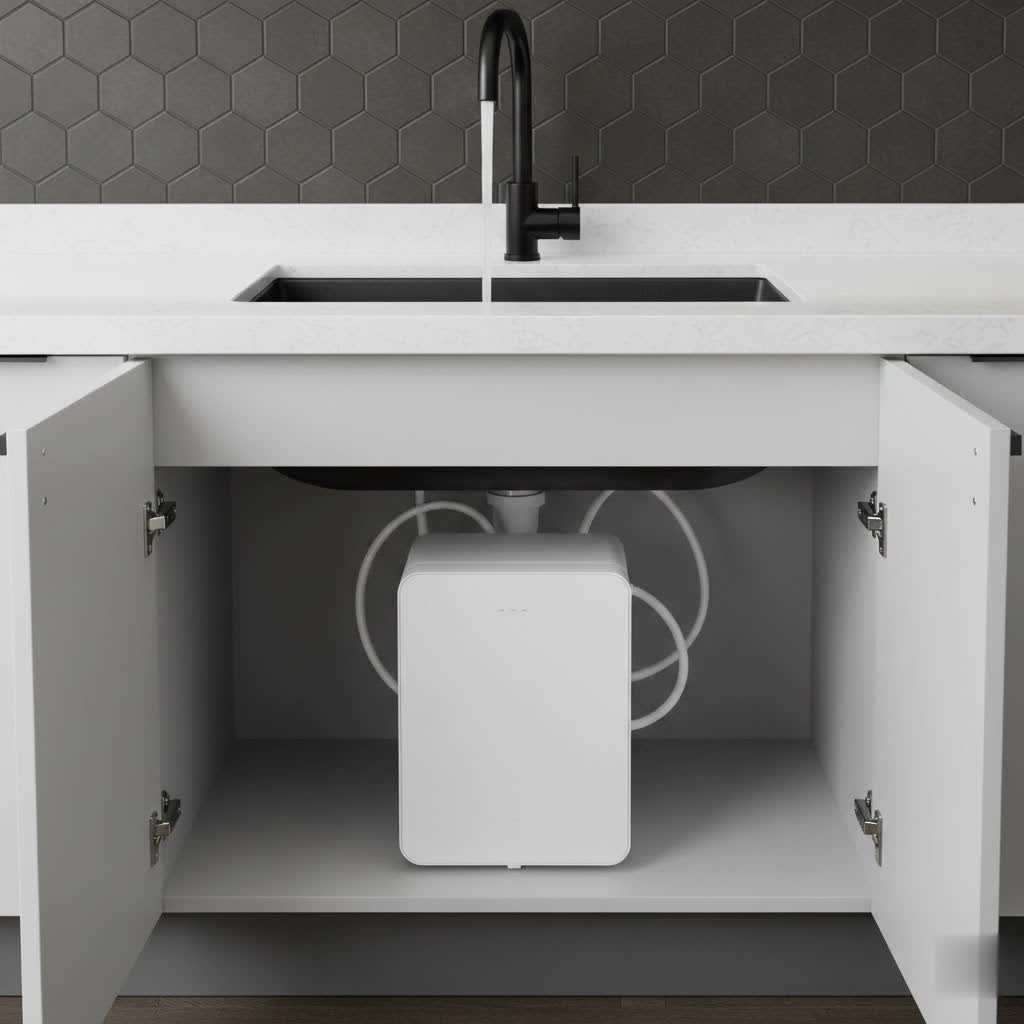
In the quest for pure, safe drinking water, unseen threats often lurk beneath the surface. While many filtration systems tackle visible impurities and chemical contaminants, bacterial and viral pathogens pose a distinct and critical health risk. This is where the ultraviolet (UV) water purifier emerges as an indispensable guardian for your household, offering a robust, chemical-free defense against harmful microorganisms. Understanding its unparalleled ability to neutralize these microscopic invaders is key to securing your family’s health and peace of mind.
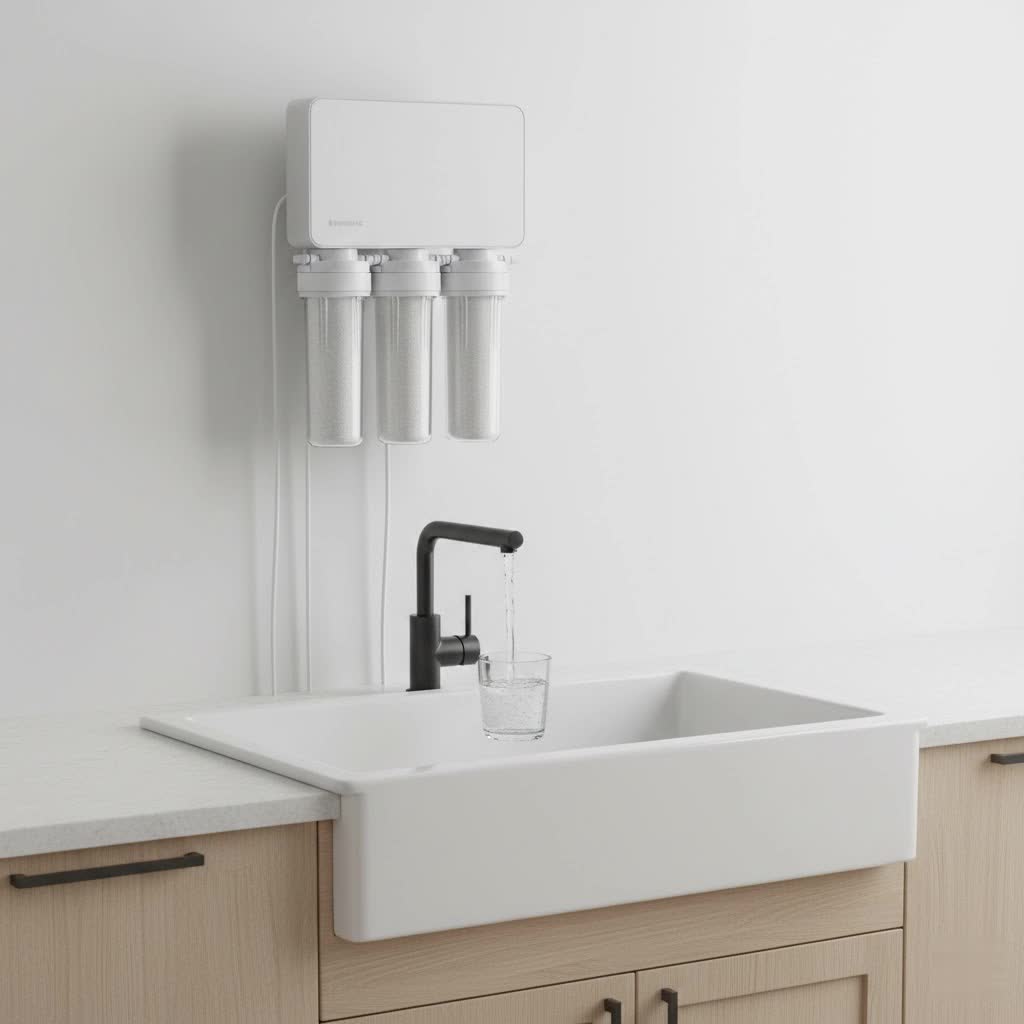
Understanding the Threat: Bacteria in Your Water Supply
The water flowing into your home, whether from a municipal source or a private well, can harbor a variety of invisible dangers. Common waterborne pathogens like E. coli, Giardia, and Cryptosporidium are notorious for causing gastrointestinal illnesses, some of which can be severe, especially for vulnerable populations. Sources of contamination are diverse, ranging from agricultural runoff and failing septic systems that impact well water to aging infrastructure and accidental breaches in city water lines. Heavy rainfall and flooding can exacerbate these issues, pushing microbial contaminants into water supplies. These risks often go unnoticed, as contaminated water may appear, taste, and smell perfectly normal, making detection challenging without specific testing.
How UV Water Purification Works to Eliminate Bacteria
UV water purification employs a sophisticated yet simple principle to neutralize these microbial threats. As water passes through the purifier’s chamber, it is exposed to germicidal UV-C light, typically emitted at a wavelength of around 254 nanometers. This powerful light penetrates the cell walls of bacteria, viruses, and other pathogens, disrupting their DNA and RNA. By scrambling their genetic code, the UV light renders these microorganisms unable to reproduce or cause infection, effectively deactivating them.
It’s crucial to understand that UV purification is a deactivation process, not a physical removal. Unlike filters that trap particles, UV light doesn’t remove the microorganisms from the water; instead, it renders them harmless. This method boasts an impressive effectiveness rate, destroying 99.9% to 99.99% of harmful microbes, including those resistant to chlorine. This rapid and efficient process ensures that the water leaving the UV chamber is biologically safe to drink, without altering its fundamental composition.
Key Advantages of UV Water Purifiers for Bacterial Safety
Choosing a UV water purifier for your home brings a host of significant advantages, particularly when prioritizing protection against bacteria and other pathogens.
Chemical-Free Disinfection
|
Our Picks for the Best Water purifier in 2026
As an Amazon Associate I earn from qualifying purchases.
|
||
| Num | Product | Action |
|---|---|---|
| 1 | Brita Metro Water Filter Pitcher with SmartLight Change Indicator, BPA-Free, Replaces 1,800 Plastic Water Bottles a Year, Lasts Two Months, Includes 1 Filter, Small - 6-Cup Capacity, White |

|
| 2 | DREO Reverse Osmosis Water Filter Countertop, RO Filtration System, 3:1 Pure to Drain, TDS & Filter Life & Autofill Pitcher, Installation-Free, Self-Cleaning Water Purifier, RO Water Filter |
|
| 3 | PUR Plus Vertical Faucet-Mount Water Filtration System, Lead-Reducing Filter, Easy Installation, 100-Gallon Capacity, Compatible with External Aerators, Grey |
|
| 4 | Waterdrop G3P600 Reverse Osmosis System, 8 Stage Tankless Reverse Osmosis Water Filter, NSF/ANSI 42 & 53 & 58 & 372 Certified, Under Sink RO System, 2:1 Pure to Drain, Smart LED Faucet |
|
| 5 | PUR 30-Cup Countertop Water Filter Dispenser, 1 Genuine PUR Filter, 2-in-1 Powerful Filtration, Lasts 2 Months or 40 Gallons, Dishwasher Safe, White/Blue (DS1800Z) |
|
| 6 | Brita 27 Cup Water Filter Dispenser with Elite Filter, NSF Certified to Remove 99% of Lead, Reduces 30 Contaminants Including Microplastics, Mercury & Chlorine, SmartLight Indicator, BPA-Free, Black |
|
| 7 | Brita Large Water Filter Pitcher for Tap and Drinking Water, Includes 1 Standard Filter, BPA-Free, Lasts Two Months, 10-Cup Capacity, Bright White |
|
| 8 | Bluevua RO100ROPOT Countertop Reverse Osmosis Water Filter System, Portable RO Filtration with Remineralization, No Installation, WQA Certified - ROPOT-UV, 6-Stage RO |
|
| 9 | Brita UltraMax Large Water Dispenser with Standard Filter, BPA-Free, Reduces Copper, Cadmium and Mercury Impurities, Lasts 2 Months or 40 Gallons, 27-Cup |
|
| 10 | LifeStraw Personal Water Filter for Hiking, Camping, Travel, and Emergency Preparedness |
|
One of the most compelling benefits of UV purification is its chemical-free approach. Unlike chlorination or other chemical disinfection methods, UV systems do not introduce any substances into your water. This means there are no harmful chemical byproducts, and the natural taste, odor, and pH balance of your water remain completely unaltered. This makes UV-treated water ideal for drinking, cooking, and bathing, especially for those sensitive to chemicals or who prefer the natural taste of water.
Broad-Spectrum Protection
UV purifiers are highly effective against a wide array of microorganisms, offering broad-spectrum protection. They target bacteria, viruses, protozoa, fungi, and cysts, including resilient pathogens like Giardia and Cryptosporidium, which can be difficult to eliminate with chlorine alone. This comprehensive defense ensures that your water is safeguarded from a vast range of waterborne illnesses.
Immediate and Continuous Treatment
UV systems provide immediate disinfection the moment water flows through the chamber. There’s no waiting period for chemicals to react, and the treatment is continuous, offering on-demand safety every time you turn on your tap. This constant vigilance ensures that your water supply is protected 24/7, providing unparalleled peace of mind.
Environmentally Friendly
In an era of increasing environmental awareness, UV purification stands out as an eco-conscious choice. The process generates no wastewater, unlike some other filtration methods, and consumes minimal electricity, often comparable to a 60-watt light bulb. This makes it an energy-efficient and sustainable option for household water treatment.
Maintains Water Quality
Beyond its disinfectant power, UV treatment has no impact on the physical or chemical properties of your water. It doesn’t remove beneficial minerals, nor does it affect the water’s hardness, alkalinity, or clarity. This ensures that while pathogens are neutralized, your water retains its desirable natural qualities.
When a UV Water Purifier Becomes Essential
While beneficial for nearly any household, a UV water purifier becomes an absolutely essential investment in specific scenarios where the risk of microbial contamination is elevated.
Private Well Owners
If your home relies on a private well, a UV system is crucial. Unlike municipal water, well water is not treated by a city authority, leaving it susceptible to contamination from surface runoff, septic system leaks, and other environmental factors. Regular testing of well water often reveals microbial activity, making a UV purifier the primary line of defense.
Surface Water Users
Homes drawing water from lakes, rivers, or springs face a higher likelihood of microbial contamination due to constant exposure to wildlife, plant decomposition, and agricultural runoff. A UV system provides the necessary protection against the fluctuating quality of these natural water sources.
Areas Prone to Flooding or Infrastructure Issues
Regions experiencing heavy rainfall, flooding, or those with aging municipal water infrastructure are at increased risk of waterborne pathogens. Flooding can introduce bacteria and viruses into water systems, while old pipes can develop leaks that allow contaminants to enter. A UV purifier acts as a vital safeguard during such events.
Extra Assurance for Sensitive Populations
For households with young children, the elderly, or individuals with compromised immune systems, even a small amount of microbial contamination can pose a serious health threat. A UV water purifier provides an extra layer of assurance, offering optimal protection for those most susceptible to waterborne illnesses.
“A UV purifier isn’t just a luxury; for well water users or families with vulnerable members, it’s a non-negotiable component of a truly safe water system.”
Integrating UV with Other Water Filtration Systems
While highly effective against microorganisms, it’s important to understand that UV purification specifically targets biological contaminants. It does not physically remove sediment, rust, chlorine, heavy metals, or other dissolved chemicals. For comprehensive water quality, UV systems are often most effective when integrated into a multi-stage filtration setup.
For instance, a pre-filter (like a sediment or carbon filter) is almost always recommended before a UV unit. This pre-filtration removes larger particles and turbidity from the water, preventing them from shielding microbes from the UV light and ensuring maximum disinfection efficiency.
When comparing UV with Reverse Osmosis (RO) systems, it’s not a matter of one being superior to the other, but rather understanding their complementary roles. RO systems excel at physically removing a wide range of contaminants, including dissolved solids, chemicals, and even bacteria and viruses, through a semi-permeable membrane. However, some debate exists about bacteria growth within RO systems if not meticulously maintained. A common and highly recommended approach for ultimate water safety is to combine both technologies: a multi-stage system that includes pre-filtration, RO, and a final UV stage. This ensures that virtually all impurities are removed and any remaining biological threats are deactivated.
Choosing the Right UV Water Purifier for Your Home
Selecting the appropriate UV water purifier for your needs involves considering a few key factors to ensure optimal performance and long-term satisfaction.
- Flow Rate and UV Dosage: UV systems are rated by the flow rate (gallons per minute or liters per hour) they can effectively treat. Ensure the system you choose matches your household’s water consumption needs and provides an adequate UV dosage (measured in mJ/cm²) to deactivate pathogens effectively.
- System Size and Installation: UV purifiers come in various sizes, from point-of-use units for a single faucet to whole-house systems installed at the main water line. Consider your specific requirements and available space for installation.
- Maintenance: UV lamps typically need to be replaced annually, as their germicidal effectiveness diminishes over time, even if they still appear to be glowing. The quartz sleeve protecting the lamp also requires periodic cleaning to prevent mineral buildup that could block UV light.
- Certifications and Reputable Brands: Look for systems that are certified by recognized organizations, indicating they meet rigorous performance and safety standards. Research reputable brands known for their quality and customer support.
Installation and Maintenance Tips for Optimal Performance
Ensuring your UV water purifier operates at peak efficiency for years requires proper installation and diligent maintenance.
- Professional Installation: While some homeowners might attempt DIY installation, professional installation is highly recommended. This ensures the system is correctly plumbed into your water line, all connections are secure, and the unit operates according to manufacturer specifications.
- Regular Lamp Replacement: The most critical maintenance task is replacing the UV lamp annually. Mark your calendar or set a reminder, as the lamp’s ability to sterilize decreases over time, even if it hasn’t burned out.
- Sleeve Cleaning: The quartz sleeve that encases the UV lamp can accumulate mineral deposits and sediment, reducing the penetration of UV light. Clean the sleeve during each lamp replacement or more frequently if your water has high mineral content.
- Pre-Filter Checks: Always ensure your pre-filters (sediment, carbon) are maintained and replaced regularly. A clogged pre-filter can reduce water flow to the UV unit and, more importantly, allow particles to pass through that could shield microbes from the UV light, thereby compromising disinfection.
Conclusion
In a world where water quality is increasingly uncertain, a UV water purifier offers an unparalleled layer of defense against microscopic threats that traditional filters might miss. Its ability to chemically free deactivate 99.99% of bacteria, viruses, and other pathogens ensures your drinking water is biologically safe, without altering its taste or chemical composition. For private well owners, those in flood-prone areas, or anyone seeking ultimate confidence in their water, a UV system is an indispensable investment. By understanding its vital role and integrating it thoughtfully into your home’s water treatment strategy, you can protect your family’s health and enjoy pure, safe water every day. What steps will you take today to safeguard your water from unseen microbial invaders?
Frequently Asked Questions
Does UV purification kill all types of bacteria?
UV purification is highly effective against a broad spectrum of bacteria, viruses, and other microorganisms, often deactivating 99.99% of them. While generally effective against most pathogens, including E. coli, Giardia, and Cryptosporidium, some very robust organisms might require specific UV dosages or systems designed to penetrate their thick cell walls effectively.
Does a UV water purifier remove chemicals or sediment?
No, a UV water purifier specifically targets and deactivates biological contaminants like bacteria and viruses. It does not physically remove chemicals, heavy metals, chlorine, sediment, rust, or dissolved solids. For comprehensive water purification, UV systems are typically used in conjunction with other filters, such as sediment and carbon filters, to address these other contaminants.
How often should I change the UV lamp?
It is generally recommended to replace the UV lamp annually. While the lamp may still emit visible light beyond this period, its germicidal effectiveness, which is crucial for deactivating pathogens, diminishes over approximately 9,000 hours of operation. Regular replacement ensures continuous and reliable disinfection performance.
Is UV water purification safe?
Yes, UV water purification is a very safe and environmentally friendly method of water treatment. It does not use any harsh chemicals or produce harmful byproducts, making the treated water safe for consumption without altering its taste, odor, or color. The UV light is contained within the system, posing no exposure risk to users.
Can I use a UV purifier for well water?
Absolutely. UV purifiers are particularly recommended for well water, as private wells are not subject to municipal treatment and are often susceptible to bacterial contamination from environmental factors. A UV system provides a reliable and chemical-free way to ensure that well water is safe from harmful microorganisms before it reaches your tap.